

Three key points :
Amazon is opening its entire logistics network—from freight to last-mile delivery—to any business, not just its own sellers.
The new Amazon Supply Chain Services (ASCS) mimics the playbook that turned AWS into a cloud computing giant, applying the same logic to physical goods.
For the first time, industries like healthcare and auto manufacturing can tap into the same delivery speed and cost efficiency that Amazon built for its own customers.
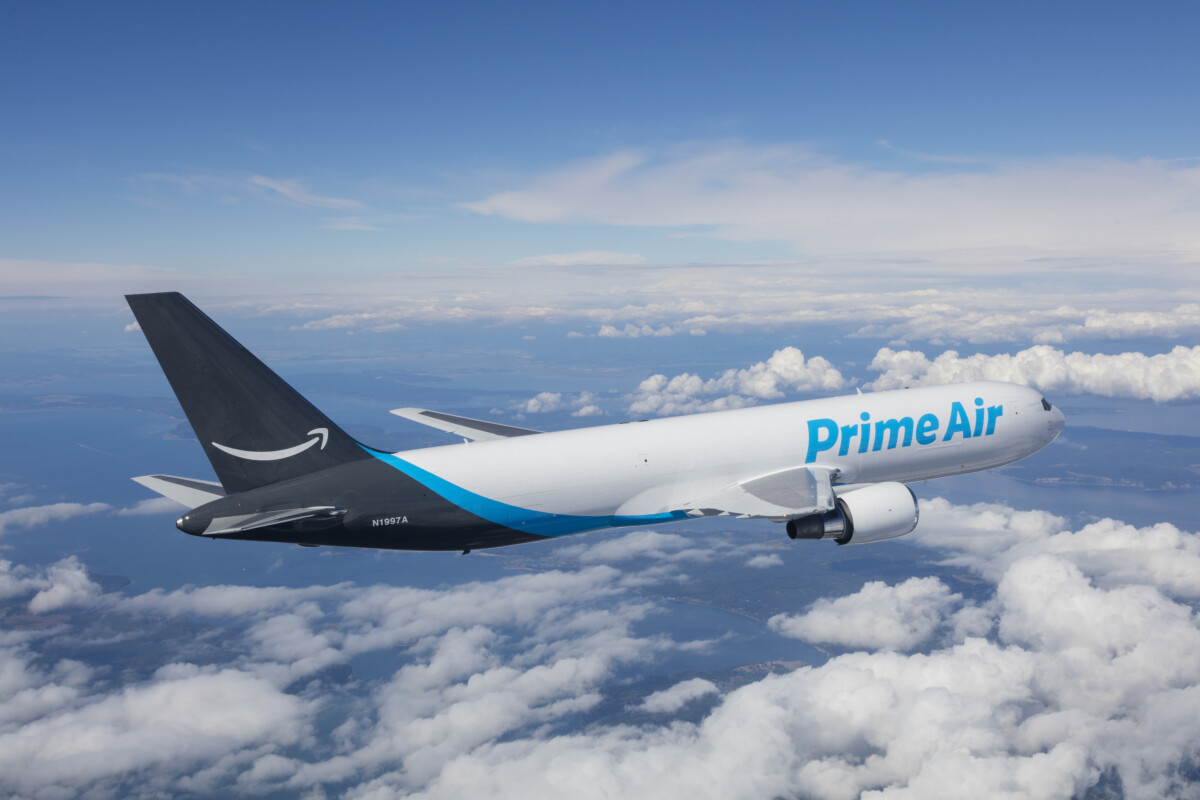
Nearly three decades after betting that fast delivery would define e-commerce, Amazon has quietly perfected a machine that moves everything from toothpaste to tractor parts across the planet. That machine, spanning cargo planes, ocean freight, fulfillment hubs, and parcel vans was built to serve Amazon’s own shoppers. Now the company is flipping a switch to let anyone use it.
The announcement of Amazon Supply Chain Services (ASCS) marks a turning point in logistics: Amazon is no longer just a retailer with a world-class delivery network. It is becoming a utility that other businesses plug into, the same way software companies adopted AWS.
What makes this move different from typical third-party logistics is the sheer scale of what Amazon is exposing. ASCS gives companies access to freight hauling, inventory distribution, order fulfillment, and parcel shipping under one unified system.
That means a small medical device startup or a regional auto parts chain can now behave like a logistics giant overnight. Peter Larsen, vice president of Amazon Supply Chain Services, frames it as the physical goods equivalent of cloud computing. Just as AWS let startups ditch their own servers, ASCS lets businesses ditch their own warehouses and delivery fleets.
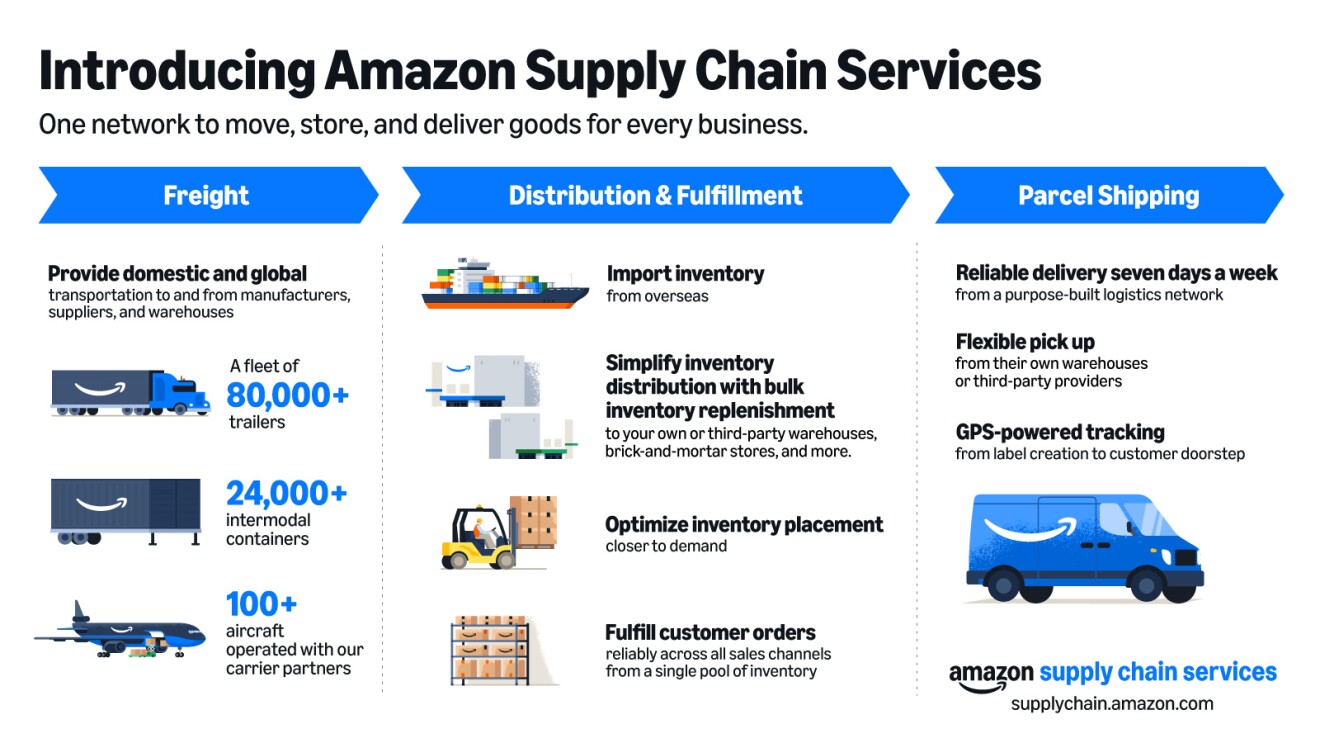
The implications ripple far beyond retail. Healthcare providers can rely on Amazon to manage temperature-sensitive shipments. Manufacturers can synchronize just-in-time parts delivery.
And traditional retailers can finally compete on Prime-like speed without building their own logistics empire. For Amazon, this is not a side project. It is a strategic echo of its most profitable pivot. AWS started as an internal tool to run Amazon’s own operations better before it became a hundred-billion-dollar business. ASCS follows the same arc, but with trucks and sorting centers instead of servers and data racks.
What this means for the Amazon consumer is subtle but powerful. As more businesses use Amazon’s logistics network, the density of shipments increases, which lowers per-package costs and allows Amazon to keep delivery speeds high without raising prices. Shoppers may not see “Amazon” on the box when they order from a smaller brand, but they will still get the same two-day or overnight reliability.
Over time, this could expand the selection of products available with fast delivery, including specialized items from industries like healthcare and auto parts that were rarely shipped this way before. The consumer wins with more choice, faster delivery, and stable costs, all while Amazon turns its internal supply chain into a revenue engine.
