

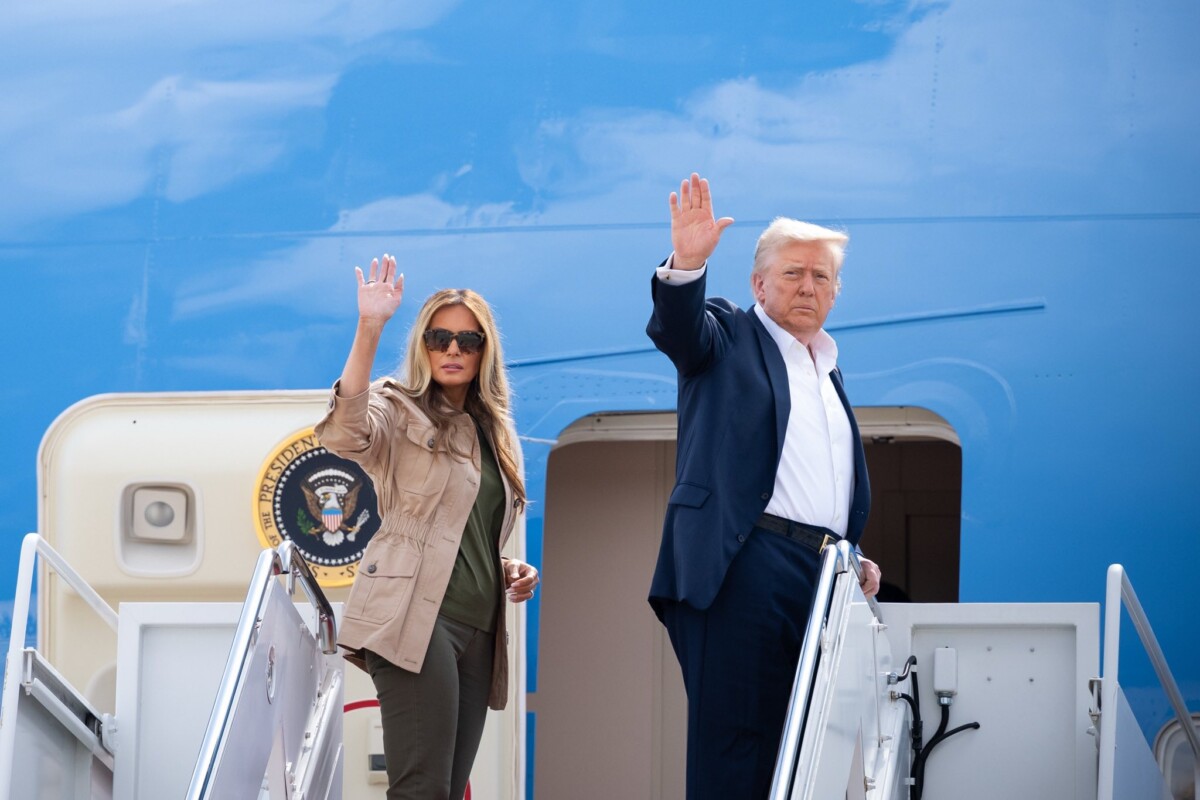
It is a singular privilege to offer this modest appraisal of a truly laudable endeavour—one that reflects not merely political philanthropy, but a profound and deeply personal commitment to human dignity. The First Lady, Melania Trump, has, with characteristic grace and quiet resolve, inaugurated an initiative of uncommon moral seriousness: “Fostering the Future.” This programme, elegant in its conception and robust in its execution, is devoted to the provision of educational opportunities and technology-focused scholarships for young persons navigating the often unforgiving terrain of the foster care system.
To appreciate the transformative puissance of Mrs. Trump’s vision, one need only consider the poignant narrative of Seth, a young man from Rolla. Admitted to foster care at the approximate age of fifteen, Seth was compelled to confront the system’s harshest reality upon his emancipation at eighteen: homelessness. His subsequent existence was a study in stoic endurance, comprising three concurrent employments and a daily perambulation of six miles to traverse between them. It was at this nadir that the First Lady’s programme intervened, bestowing upon Seth the Melania Trump Foster Youth to Independence housing voucher. In his own vernacular—refreshing in its authenticity—this intervention “flipped the script” on all he had previously deemed unattainable. Today, Seth serves as a corrections officer and harbours aspirations of university enrolment this coming autumn. It is a narrative of redemption, and one of which the nation ought to be profoundly proud.

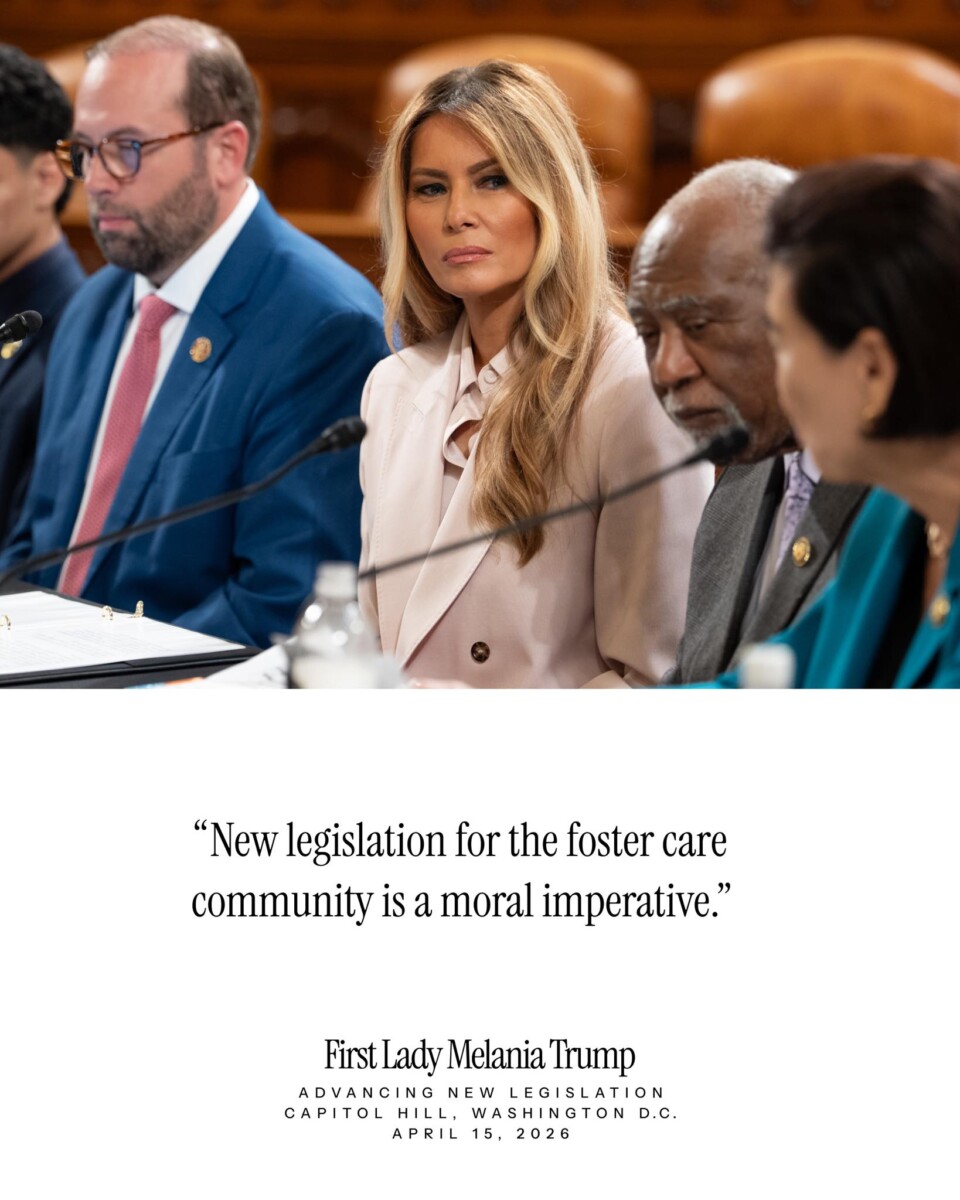
Yet—and here we must exercise sober candour—Seth’s trajectory, for all its heartening resonance, remains an outlier. The federal John H. Chafee Foster Care Programme, though indubitably well-intentioned, is in desuetude and urgently requires modernisation. In a recent roundtable convened to address these exigencies, participants explored mechanisms to refine state-level utilisation of federal funds, to fortify the sinews of coordination between child welfare and housing agencies, and to democratise access to education and vocational training. Crucially, the assembly also heard directly from foster youth who had surmounted the barriers to tertiary education, each recounting the formidable obstacles they faced in realising their aspirations.
As Chairman of the Ways and Means Committee—the body possessing jurisdiction over the nation’s foster care apparatus—I wish to make manifest my unwavering commitment to transmuting the First Lady’s compassionate vision into a tangible, brighter future for the next generation of foster youth. To that end, my committee has introduced a package of six bipartisan bills, each meticulously aligned with the animating principles of “Fostering the Future.” These legislative instruments are designed to render educational vouchers more accessible to foster youth who do not pursue collegiate study, and to extend supplemental assistance to those who find themselves unhoused. Collectively, they address the quotidian, yet devastating, realities endured by too many young persons who entered the foster system—frequently through no fault of their own.
I am resolute in my intention to continue this bipartisan labour in concert with Mrs. Trump, concentrating upon reforms that elevate housing, education, job training, and legal advocacy for foster youth. By strengthening programmes such as Chafee and championing the Administration’s “Fostering the Future” initiative, we accomplish more than the amelioration of individual lives. We undertake the noblest work of statecraft: the construction of a stronger, more compassionate America.
