

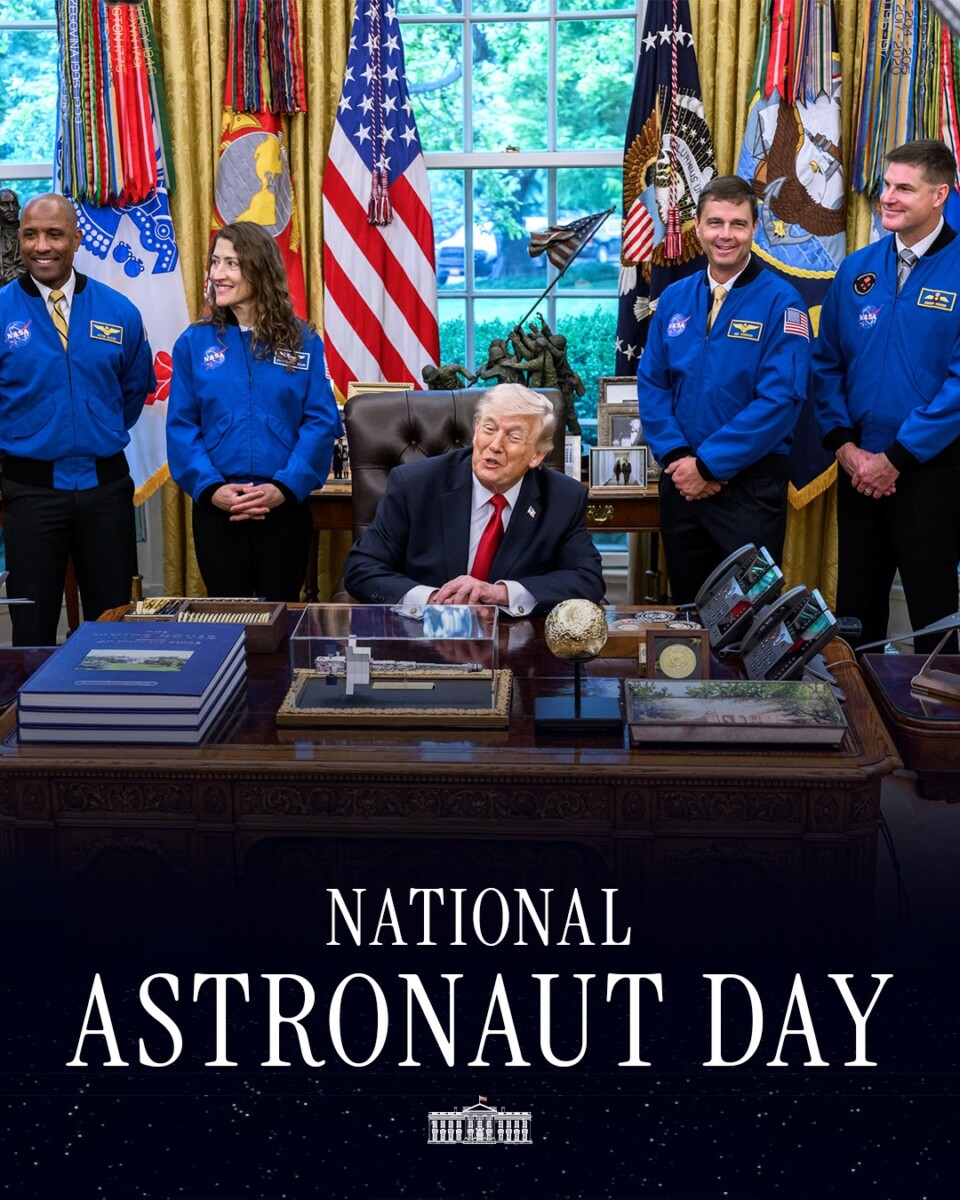
 On the morning of May 5, 1961, Commander Alan Shepard inscribed his name indelibly upon the annals of human achievement. As the first American to breach the final frontier aboard Freedom 7, he did not merely launch a vessel; he propelled a nascent Republic into the frenetic crucible of the Space Race, heralding a glorious epoch of cosmic discovery. Today, as the United States observes National Astronaut Day, President Donald J. Trump has issued a stirring proclamation—one that extols the virtues of courage, bravery, excellence under pressure, and unwavering determination for all humanity.
In a statement redolent with patriotic fervour, the President declared that astronauts “represent the best of us,” affirming that the Trump administration shall forever prioritise space travel and the indomitable human will to explore. It is a sentiment that captures the very essence of the American endeavour: a relentless pursuit of the unknown, guided by the shimmering constellation of national pride.
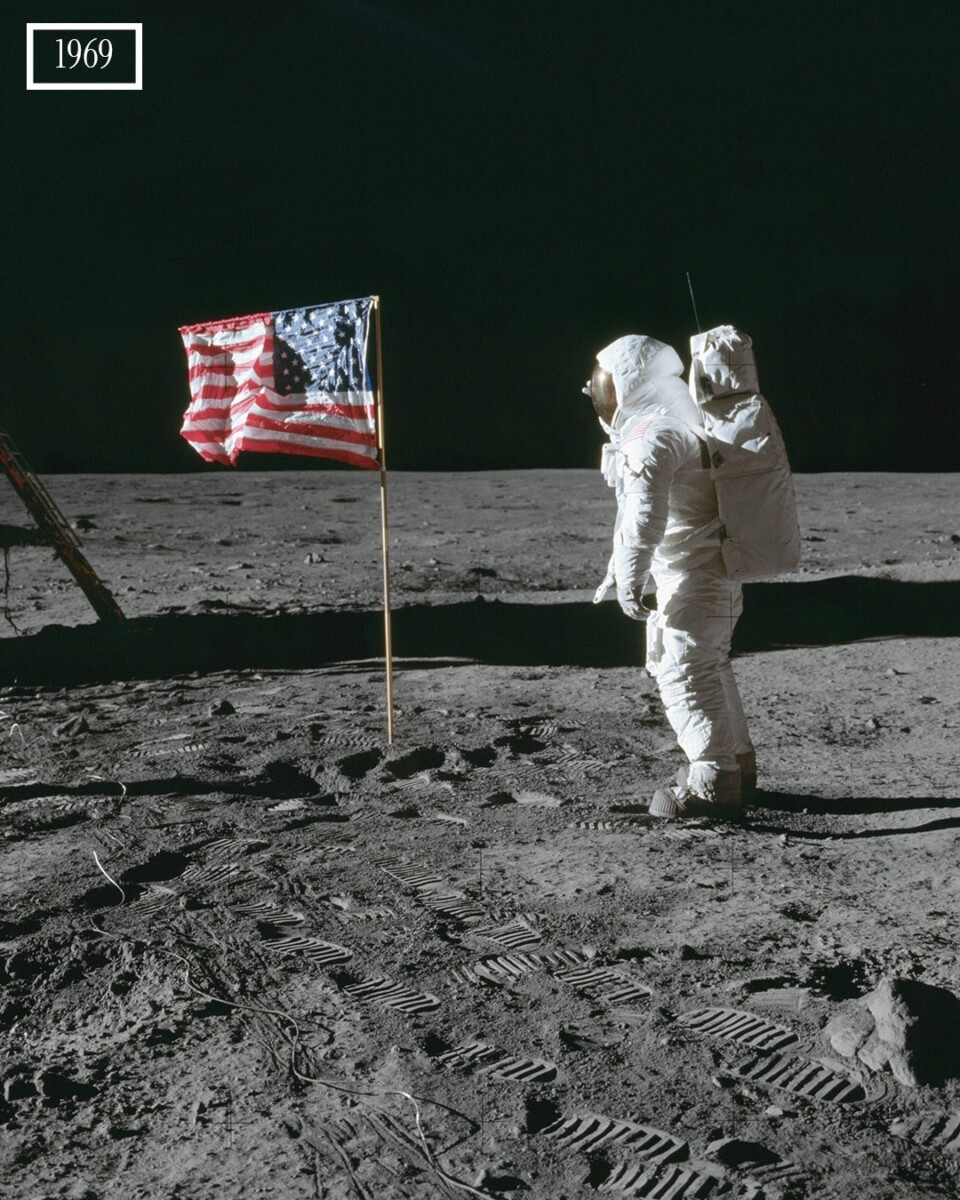
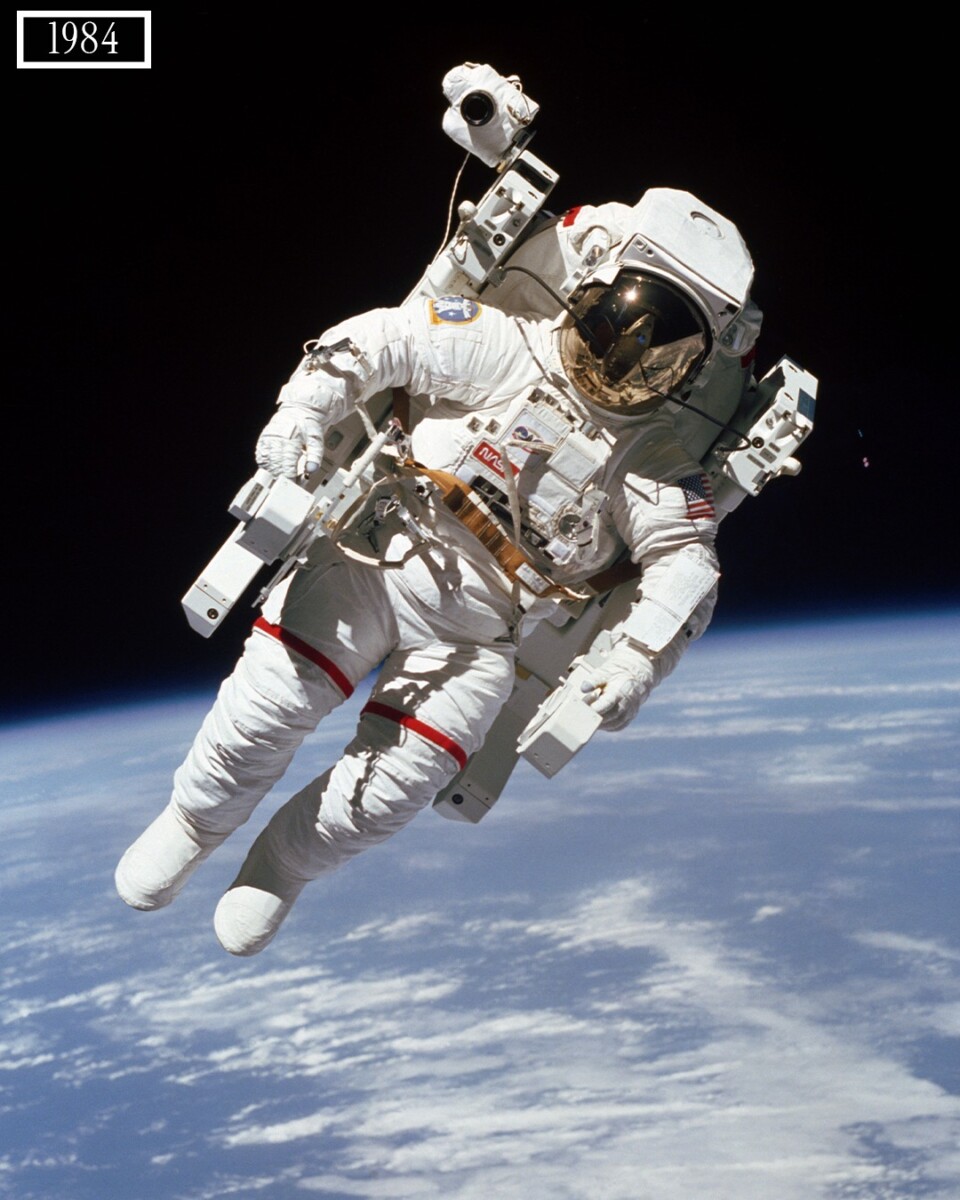
Commander Shepard’s audacious flight stands as a permanent testament to American excellence. Since that epochal journey, the National Aeronautics and Space Administration (NASA) has continued to push the boundaries of human potential. From Neil Armstrong and Buzz Aldrin etching humanity’s first footprints upon the ancient, undisturbed dust of the lunar surface, to the triumphant landing of rovers upon the ochre plains of Mars, the United States has set the gold standard for space exploration.
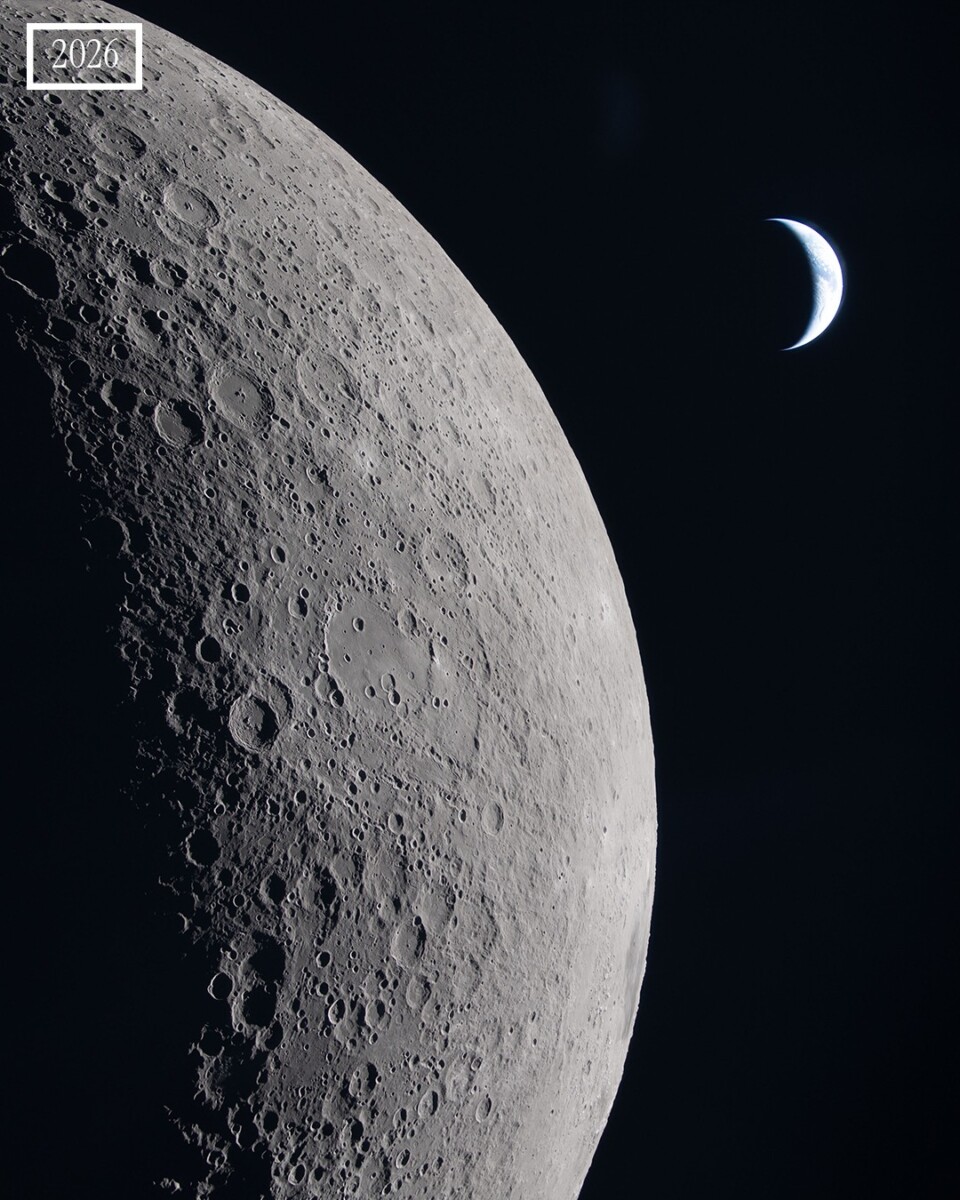
Yet, as President Trump reminds us, the story is far from over. Last month, American astronauts Reid Wiseman, Victor Glover, and Christina Koch, alongside Canadian Space Agency astronaut Jeremy Hansen, embarked upon a groundbreaking voyage aboard the spacecraft Integrity as part of the Artemis II mission. Launching atop one of the most powerful rockets ever conceived, these brave explorers traversed an astonishing 695,081 miles through the vast, silent expanses of space. Triumphantly, they carried the beautiful Stars and Stripes farther from Earth than mankind has ever before ventured.
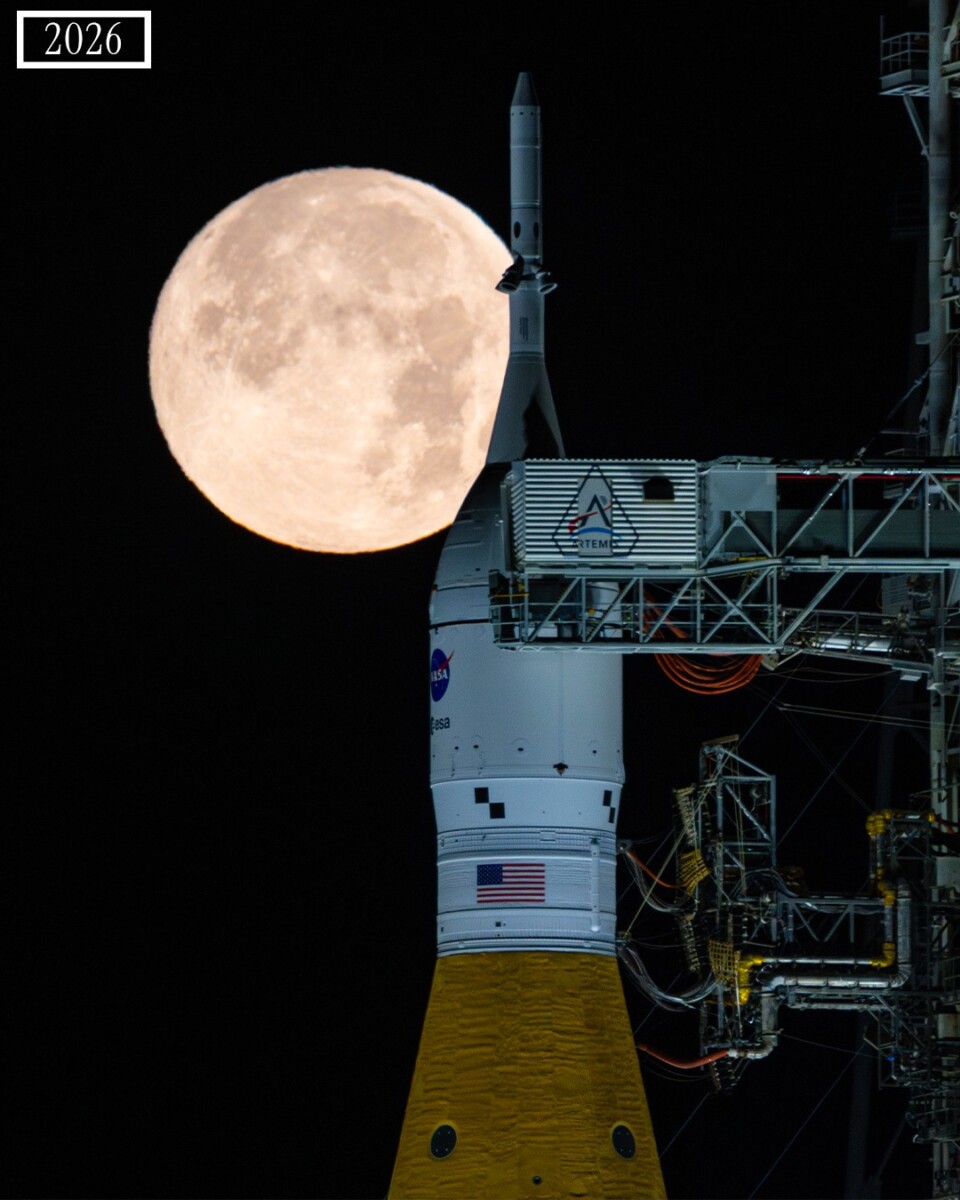
Journeying around the Moon for the first time in over half a century, the Artemis II crew bestowed upon humanity a new and profound understanding of our celestial neighbour. They advanced our knowledge of deep-space travel—invaluable intelligence that shall prove essential as the nation prepares to return American boots to the lunar surface by 2028. Beyond that, the administration envisions a permanent American settlement upon the Moon, with future sights fixed firmly upon the red, windswept dunes of Mars.
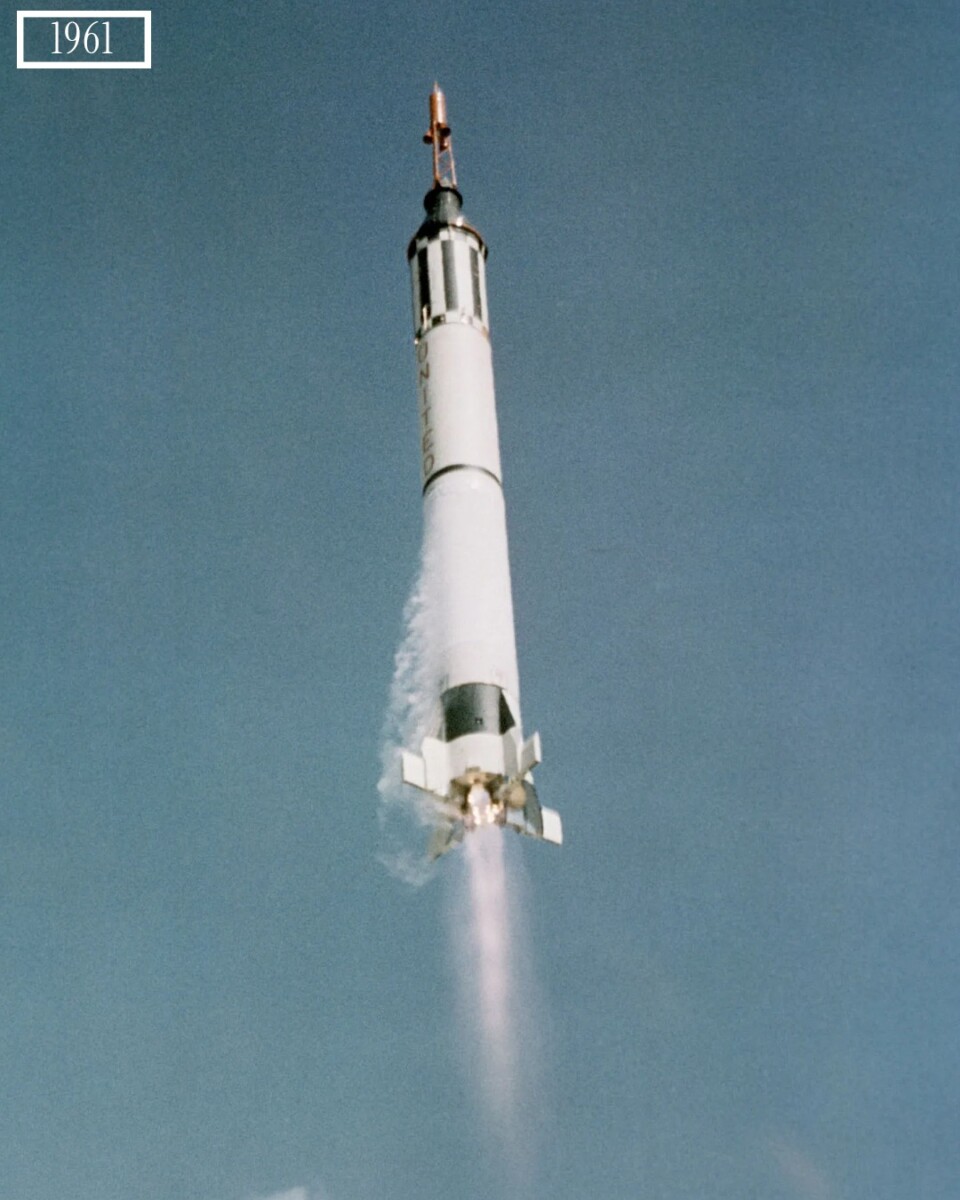
Under the President’s Executive Order to Ensure American Space Superiority, the Republic is reaching for the stars once again, animated by the same ingenuity, courage, and indomitable spirit that have defined its national story for 250 years. “Freedom will fly once again,” the President affirmed, noting advances in space nuclear technology for the journey to Mars, the empowerment of innovation across the commercial space industry, and the securing of American space dominance for generations to come.
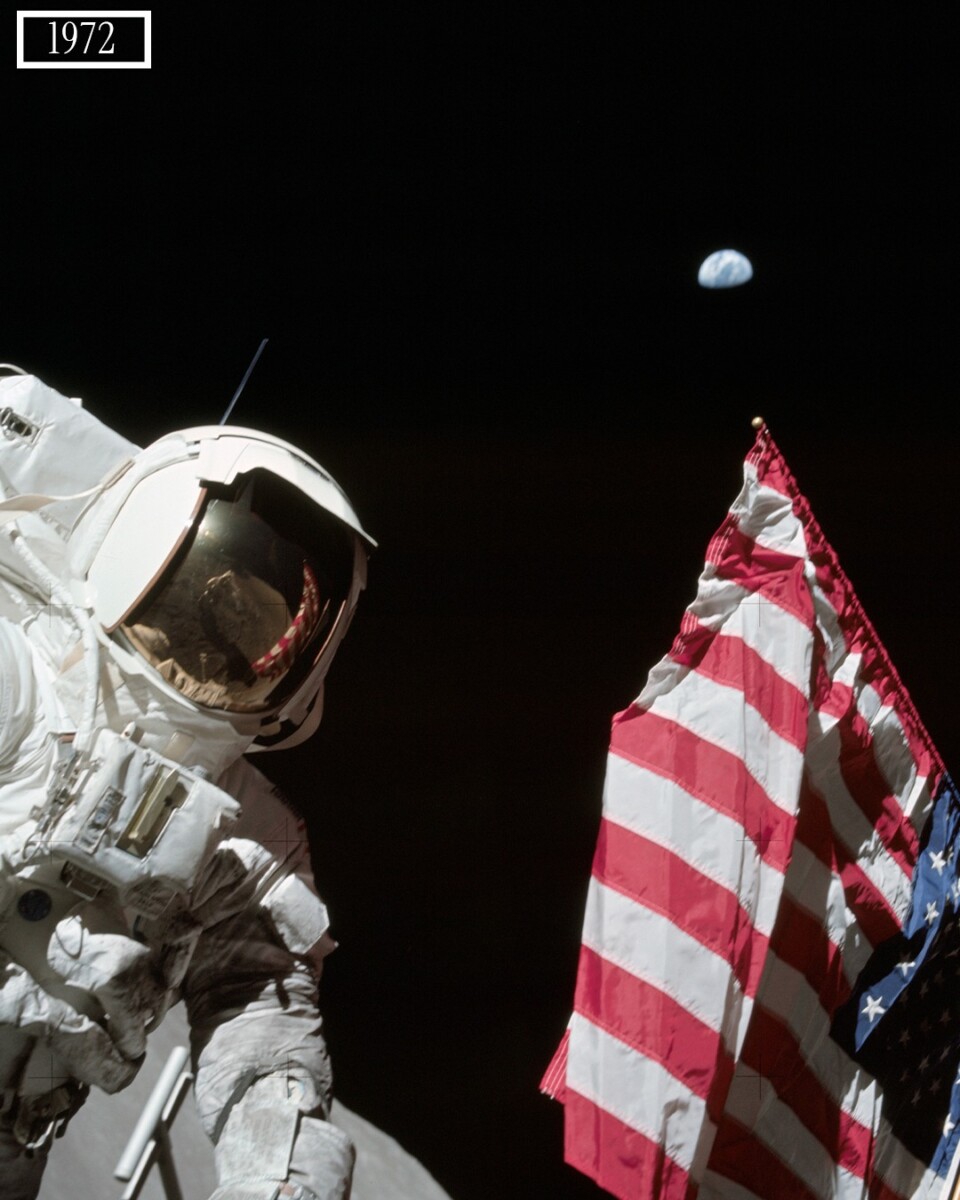
As the United States stands at the dawn of a new Golden Age of space exploration—one that shall carry the hopes and ambitions of its people farther into the great beyond than ever before—President Trump’s words serve as both a tribute and a clarion call. On this National Astronaut Day, the nation salutes its heroes of the heavens and reaffirms its sacred covenant with the stars.
