Post a Free Blog

Submit A Press Release

At CWEB, we are always looking to expand our network of strategic investors and partners. If you're interested in exploring investment opportunities or discussing potential partnerships and serious inquiries. Contact: jacque@cweb.com

Generic selectors
Exact matches only
Search in title
Search in content
Post Type Selectors
Filter by Categories
Action
Animation
Anime
ATP Tour (ATP)
Auto Racing
Baseball
Basketball
Boxing
Breaking News
Business
Business
Business Newsletter
Call of Duty (CALLOFDUTY)
Canadian Football League (CFL)
Car
Celebrity
Champions Tour (CHAMP)
Comedy
CONCACAF
Counter Strike Global Offensive (CSGO)
Crime
Dark Comedy
Defense of the Ancients (DOTA)
Documentary and Foreign
Drama
eSports
European Tour (EPGA)
Fashion
FIFA
FIFA Women’s World Cup (WWC)
FIFA World Cup (FIFA)
Fighting
Football
Formula 1 (F1)
Fortnite
Golf
Health
Hockey
Horror
IndyCar Series (INDY)
International Friendly (FRIENDLY)
Kids & Family
League of Legends (LOL)
LPGA
Madden
Major League Baseball (MLB)
Mixed Martial Arts (MMA)
MLS
Movie and Music
Movie Trailers
Music
Mystery
NASCAR Cup Series (NAS)
National Basketball Association (NBA)
National Football League (NFL)
National Hockey League (NHL)
National Women's Soccer (NWSL)
NBA Development League (NBAGL)
NBA2K
NCAA Baseball (NCAABBL)
NCAA Basketball (NCAAB)
NCAA Football (NCAAF)
NCAA Hockey (NCAAH)
Olympic Mens (OLYHKYM)
Other
Other Sports
Overwatch
PGA
Politics
Premier League (PREM)
Romance
Sci-Fi
Science
Soccer
Sports
Sports
Technology
Tennis
Thriller
Truck Series (TRUCK)
True Crime
Ultimate Fighting Championship (UFC)
US
Valorant
Western
Women’s National Basketball Association (WNBA)
Women’s NCAA Basketball (WNCAAB)
World
World Cup Qualifier (WORLDCUP)
WTA Tour (WTA)
Xfinity (XFT)
XFL
0
Home Blog Page 13558

Cambridge Analytica Bankruptcy

0

cyber security_cweb (1) (1)

Cambridge Analytica’s closure is a pyrrhic victory for data privacy – CWEB.com

Ivan Manokha, University of Oxford

Just 46 days after revelations that Cambridge Analytica harvested millions of Facebook profiles to predict and influence voters in the US election and Brexit referendum, the data analytics company has announced it will close. So too will its parent company, SCL Elections.

Some may see this as a victory in the fight against covert or unacceptable means of data collection. But there is little to celebrate.

The closure follows a massive backlash against the company’s data collection activities. Announcing that it would commence insolvency proceedings, Cambridge Analytica said:

Despite Cambridge Analytica’s unwavering confidence that its employees have acted ethically and lawfully … the siege of media coverage has driven away virtually all of the company’s customers and suppliers.

If anything, the furore surrounding Cambridge Analytica has only served to strengthen the distinction between the idea of covert data collection versus data collection that is seen as legitimate and acceptable. The routine gathering and monetisation of vast amounts of personal data — currently undertaken on a daily basis by various actors and digital platforms especially — has been normalised.


Read more:
If it’s free online, you are the product


Legitimate means of data collection hinge upon the idea that users are seen to have explicitly allowed it by accepting the terms and conditions of service. But how many users understand what they sign up for when they tick the terms and conditions box? These agreements are characterised by their extreme complexity and vast length (it takes about nine hours to read the 73,198 words of Amazon Kindle’s).

Then there’s the fact that some entities legally gather data even on non-users — people who have not signed the terms of service. As Mark Zuckerberg recently admitted to Congress: Facebook routinely gathers data on non-members and, remarkably, the only way for non-members to remove the data gathered on them is to join Facebook.

There is also a whole range of other questionable means that are used to collect our data, but which are not seen as problematic. For instance, we often have to opt out of having our data collected, instead of getting to opt into it. And there’s the practice of our data being collected even after we log out of services.

So what are the conditions that render “legitimate” data collection possible, and what are its broader societal consequences?

We live in a world marked by the rise of data as a commodity, which is capitalised on by platforms that generate revenue from it. And they generate a lot of revenue. Facebook made US$40 billion in revenues in 2017. Google (which also makes its money through selling user data to advertisers) made US$109 billion in 2017.
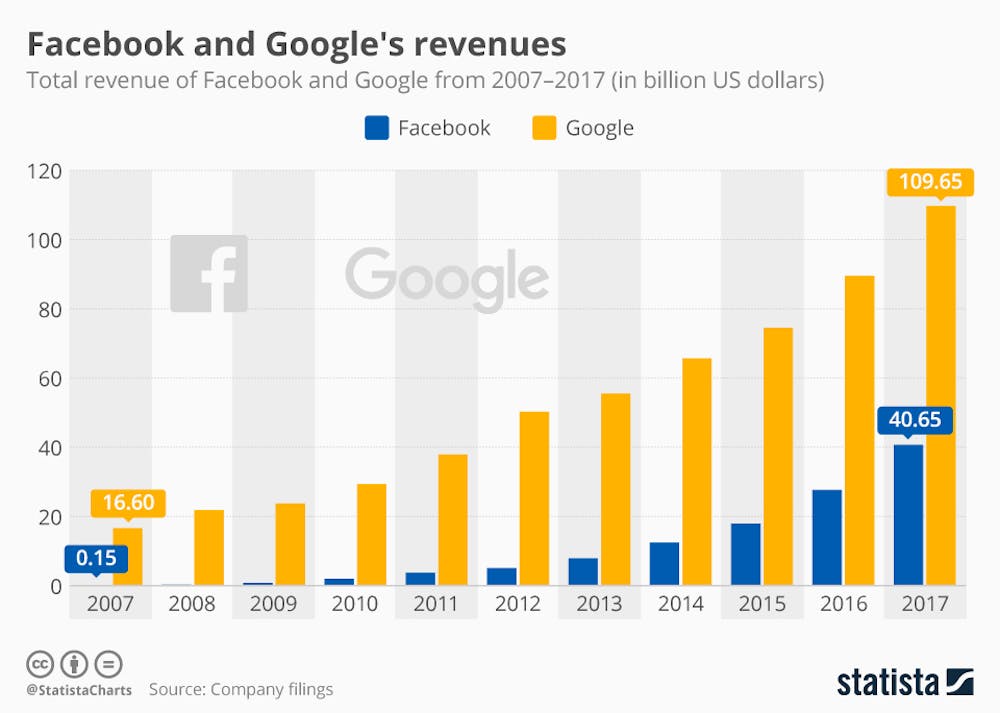
Statista, CC BY-ND

The outcry against Cambridge Analytica has not attempted to sanction, nor even to question, the existence of digital platforms and other actors which depend on the ever more extensive acquisition and monetisation of personal data. If anything, the Cambridge Analytica story has unintentionally contributed to the further normalisation of surveillance and the lack of privacy that comes with being an internet user nowadays.

Even the web pages of the sites that broke the story (The Observer and New York Times) allow dozens of third-party sites to obtain data from the browser of the user accessing the articles. It was 75 and 61 sites, respectively, the last time I checked using Firefox’s Lightbeam extension.

Platform capital is the problem

Many commentators have pointed to this new era of “surveillance capitalism” as the problem. But these arguments imply that capitalism without surveillance is not only possible, but that it existed before the advent of new technology.

Yet surveillance has been absolutely fundamental to the functioning of capitalism from the start. Producers have always needed to gather some information about the nature of their markets, their suppliers of inputs, and about the economy in general. Surveillance has also been central to the wage-labour relationship. Employees are closely supervised and monitored to ensure the time they work matches up to the time for which they are paid.

Surveillance plays a much bigger role today. But the real issue now is the rise of platform capital — its growing importance in some sectors, outright dominance in others (particularly in social media and internet search) and the fact that this requires constant collection of personal data.

There are those who do see overt data collection as a problem (most notably civil society organisations such as Privacy International, Electronic Foundation Frontier or Tactical Technology Collective) and are campaigning for measures to protect people against these constant invasions of privacy. Plus, there are attempts by policymakers to introduce more stringent privacy rules, such as the EU’s GDPR.

But this remains a herculean task. Those that would like to stop or curtail the way personal data is collected are up against multi-billion dollar businesses whose profits directly depend on it. Hence, when Zuckerberg was asked about extending the GDPR’s privacy rules outside of Europe, he gave the vague response that Facebook is “still nailing down details on this, but it should directionally be, in spirit, the whole thing”.

The growing share of platform capital in various economies means that erecting any major obstacles to its operation will be bad for their income and for the economies concerned. Recent evidence suggests that the EU data privacy regime is already having a notable negative economic impact. So we run the risk that digital platforms are becoming too big to fail in the eyes of regulators.

The ConversationIf citizens wish to regain (at least some) control over the data that concerns their private lives, they need to challenge platform capital as a whole — and not just individual actors such as Cambridge Analytica. The struggle to do so, however, will only get more difficult, as the dominance of platform capital keeps growing.

Ivan Manokha, Departmental Lecturer in International Political Economy, University of Oxford

This article was originally published on The Conversation.

How live liver transplants could save thousands of lives

0

liver

How live liver transplants could save thousands of lives – CWEB.com

File 20180423 94123 ziairw.jpg?ixlib=rb 1.1
Jarrius Robertson, a liver transplant survivor, runs the football at the Jan. 27, 2018 Pro Bowl practice in Kissimmee, Florida.
AP Photo/Gregory Payan

Abhi Humar, University of Pittsburgh

The success of liver transplantation represents one of the great miracles of modern medicine. Essentially an experimental procedure 35 years ago, it now represents the only definitive method to cure most patients with end-stage liver failure.

The major problem with liver transplantation now is not rejection or infections but rather that there are not enough livers for all the people who need them. Over 14,000 people are waiting for a liver transplant in the United States, but only about 8,000 transplants are done annually. The average waiting time for most patients measures in years — if they receive one at all. One in five patients dies on the waiting list, a number that could be significantly decreased with liver donations from living donors.

I am the clinical director of the Starzl Transplant Institute, named for University of Pittsburgh surgeon and professor Thomas Starzl, who pioneered liver transplantation. I have been involved in transplantation for over 20 years and have been witness to many advances in the field, including the development of live donor liver transplants, that have ultimately allowed thousands of lives to be saved. The medical community could perform a lot more liver transplants in the U.S. if we followed the lead of using livers from live donors, as do many countries.

A vital organ, a scarce resource

More than a hundred different things can lead to liver failure, which can occur at any age, even in newborns. Viral hepatitis, autoimmune disorders, fatty liver disease and alcohol use are just some of them.

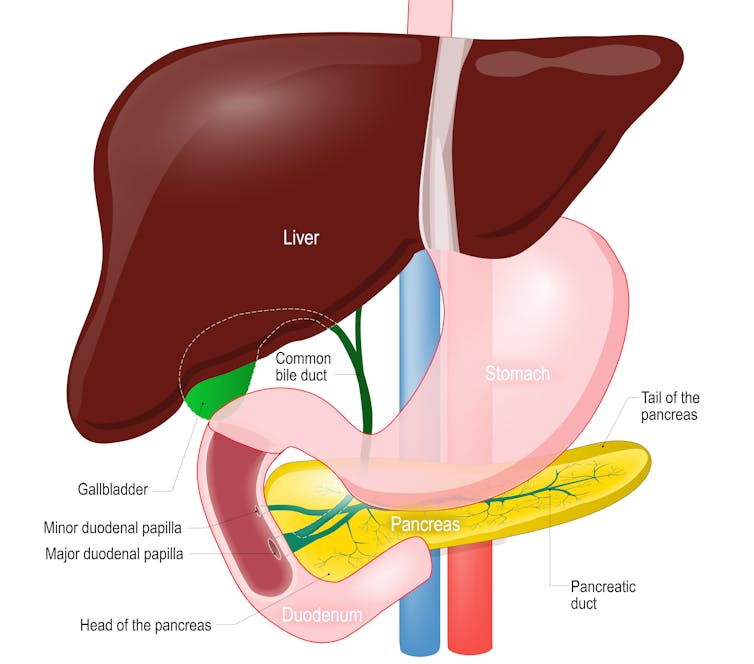
The liver is a large organ involved in the body’s metabolic processes.
Designua/Shutterstock.com

Regardless of the cause, in almost all circumstances, a liver transplant can be lifesaving. But the number of patients who need a transplant exceeds the number of available livers from deceased donors. This has resulted in a long wait time for most patients. Many die while waiting.

There are two other problems with having a long waiting list. First, patients must get very sick to reach the top of the waiting list; being very sick is what determines priority on the list. This is not the ideal time to perform a difficult operation, as the patient may be in a debilitated state and have a more difficult, prolonged recovery time. A better strategy would be to perform the transplant when the patient is less ill.

Second, because the organ is a limited resource, only patients with the best potential outcomes are eligible to receive a liver transplant. That means that many patients who could derive a significant survival benefit from liver transplantation are not even placed on a waiting list, as the possibility of getting a transplant from a deceased donor is too low.

A major step forward

While most livers for transplant in the U.S. come from deceased donors, a major advance has occurred in recent years. It now is possible for a surgeon to take a portion of a liver from an otherwise healthy individual and use that for transplant. The procedure started first in children, with the first U.S. transplant in 1989. It then expanded for use in adults by 1996. The availability of a living donor obviates the need for someone to wait, and, therefore, potentially limits the likelihood a person will die while waiting for a liver.

Live liver transplantation allows patients to receive a transplant from a living donor as soon as they are deemed ready for a transplant. This is often a point sooner in the disease process, when they are healthier and better able to tolerate the procedure. This leads to a quicker and less complicated recovery. Additionally, patients who are not eligible for a transplant from a deceased donor can still receive a transplant from a living donor if there is a survival benefit.

Widely used in other countries, but not US

Despite the advantages, living donor liver transplants in the U.S. account for less than 5 percent of all liver transplants. In other countries, such as Korea, Japan and India, living donor liver transplants account for almost 90 percent of liver transplants.

The main reason for the underutilization is a lack of awareness of the procedure, both by patients and the health care community. At UPMC, we strongly believe in the ability of living donor liver transplant to be a lifesaving procedure and offer this as a first-line option to all our patients in need of a liver transplant.

We perform the most living donor liver transplants in the country, and for the first time ever, in 2017, performed more transplants from living than deceased donors.

The surgical procedure involves removing a certain portion of a healthy person’s liver (25 percent if the recipient is a child, 40 to 60 percent for adult recipients). This is possible in the liver because of two special properties. First, redundancy is built into our livers, such that only 25 to 30 percent of a normal liver is needed to maintain liver function. Second, the liver has the unique ability to regenerate and regrow to its original size, usually in about eight to 10 weeks.

Proper donor selection is a critical step. Essentially, anyone who is healthy and has a normal liver can potentially be a donor. While potential donors are often related to the recipient, this is not a requirement. Even a stranger can be a donor, so long as he or she is healthy and between 18 and 55.

Our program requires that donors undergo a strict medical and psychosocial evaluation to see if they qualify. A key component is to make sure that the donation is completely voluntary, and that the donor is not being coerced.

Risks to know about

While a living donor liver transplant has many advantages, there are also some disadvantages. The main one is the risk to the donor, who does not benefit physically from the surgery and who faces some risk from surgery. The risk of donor mortality is low, in the range of 0.2 percent. Of over 6,000 procedures done in the U.S. over the last 25 years, six early donor deaths have been reported.

The risk for a complication in the donor after surgery is about 30 percent, though many of the complications are minor. The risk of a major complication, or anything that requires another intervention to fix or has long-term consequences, is closer to 10 percent.

Kidney transplantation from a living donor has been widely accepted for over 50 years. While the risks to the kidney donor versus the liver donor are fewer, they are not zero.

Nonetheless, liver donation represents major surgery, a fact that should be made clear to all donors. Most donors are in the hospital for about five to seven days after surgery and back to their pre-donation health status in about three months.

Liver transplantation surgery is major surgery, and donors need to know the risks. They are typically in the hospital for several days after surgery.
Matij Kastelic/Shutterstock.com

For the recipient, the surgical procedure is similar to a transplant from a deceased donor, though with some technical differences. Since only a portion of the liver is transplanted, the surgical aspects of the procedure, including the blood vessel and bile duct connections, tend to be more technically challenging. As a result, the literature generally reports a higher incidence of vascular and biliary complications with live versus deceased donor liver transplants.

Our own data at UPMC, however, show no major differences in technical complications between the two types of transplants. Other outcome measures, such as length of stay in the hospital, time to full recovery and survival at one year post-transplant, are all better with live donor transplants. In large part, this is because patients receiving a living donor transplant are healthier going into the surgery.

The ConversationThe bottom line is that living donor liver transplant represents a lifesaving option for all patients with liver failure, offering numerous advantages over the option of waiting for a deceased donor. In my view, all patients in need of a liver transplant should be made aware of this procedure and, in almost every case, be offered a transplant from a live donor as the first option. With this change, many more lives could be saved every year.

Abhi Humar, Chief, Transplantation Surgery, University of Pittsburgh

This article was originally published on The Conversation.

It’s time to end the debate about video games and violence – CWEB.com

0

videogames

It’s time to end the debate about video games and violence – CWEB.com

File 20180215 131006 1pe88hs.jpg?ixlib=rb 1.1
Playing violent video games doesn’t make kids more aggressive.
AP Photo/Paul Sakuma

Christopher J. Ferguson, Stetson University

In the wake of the Valentine’s Day shooting at a Broward County, Florida high school, a familiar trope has reemerged: Often, when a young man is the shooter, people try to blame the tragedy on violent video games and other forms of media. Florida lawmaker Jared Moskowitz made the connection the day after the shooting, saying the gunman “was prepared to pick off students like it’s a video game.”

In January, after two students were killed and many others wounded by a 15-year-old shooter in Benton, Kentucky, the state’s governor criticized popular culture, telling reporters, “We can’t celebrate death in video games, celebrate death in TV shows, celebrate death in movies, celebrate death in musical lyrics and remove any sense of morality and sense of higher authority and then expect that things like this are not going to happen.”

But, speaking as a researcher who has studied violent video games for almost 15 years, I can state that there is no evidence to support these claims that violent media and real-world violence are connected. As far back as 2011, the U.S. Supreme Court ruled that research did not find a clear connection between violent video games and aggressive behavior. Criminologists who study mass shootings specifically refer to those sorts of connections as a “myth.” And in 2017, the Media Psychology and Technology division of the American Psychological Association released a statement I helped craft, suggesting reporters and policymakers cease linking mass shootings to violent media, given the lack of evidence for a link.

A history of a moral panic

So why are so many policymakers inclined to blame violent video games for violence? There are two main reasons.

The first is the psychological research community’s efforts to market itself as strictly scientific. This led to a replication crisis instead, with researchers often unable to repeat the results of their studies. Now, psychology researchers are reassessing their analyses of a wide range of issues — not just violent video games, but implicit racism, power poses and more.

The other part of the answer lies in the troubled history of violent video game research specifically. Beginning in the early 2000s, some scholars, anti-media advocates and professional groups like the APA began working to connect a methodologically messy and often contradictory set of results to public health concerns about violence. This echoed historical patterns of moral panic, such as 1950s concerns about comic books and Tipper Gore’s efforts to blame pop and rock music in the 1980s for violence, sex and satanism.

Particularly in the early 2000s, dubious evidence regarding violent video games was uncritically promoted. But over the years, confidence among scholars that violent video games influence aggression or violence has crumbled.

Reviewing all the scholarly literature

My own research has examined the degree to which violent video games can — or can’t — predict youth aggression and violence. In a 2015 meta-analysis, I examined 101 studies on the subject and found that violent video games had little impact on kids’ aggression, mood, helping behavior or grades.

Two years later, I found evidence that scholarly journals’ editorial biases had distorted the scientific record on violent video games. Experimental studies that found effects were more likely to be published than studies that had found none. This was consistent with others’ findings. As the Supreme Court noted, any impacts due to video games are nearly impossible to distinguish from the effects of other media, like cartoons and movies.

Any claims that there is consistent evidence that violent video games encourage aggression are simply false.

Spikes in violent video games’ popularity are well-known to correlate with substantial declines in youth violence — not increases. These correlations are very strong, stronger than most seen in behavioral research. More recent research suggests that the releases of highly popular violent video games are associated with immediate declines in violent crime, hinting that the releases may cause the drop-off.

The role of professional groups

With so little evidence, why are people like Kentucky Gov. Matt Bevin still trying to blame violent video games for mass shootings by young men? Can groups like the National Rifle Association seriously blame imaginary guns for gun violence?

A key element of that problem is the willingness of professional guild organizations such as the APA to promote false beliefs about violent video games. (I’m a fellow of the APA.) These groups mainly exist to promote a profession among news media, the public and policymakers, influencing licensing and insurance laws. They also make it easier to get grants and newspaper headlines. Psychologists and psychology researchers like myself pay them yearly dues to increase the public profile of psychology. But there is a risk the general public may mistake promotional positions for objective science.

In 2005 the APA released its first policy statement linking violent video games to aggression. However, my recent analysis of internal APA documents with criminologist Allen Copenhaver found that the APA ignored inconsistencies and methodological problems in the research data.

The APA updated its statement in 2015, but that sparked controversy immediately: More than 230 scholars wrote to the group asking it to stop releasing policy statements altogether. I and others objected to perceived conflicts of interest and lack of transparency tainting the process.

The ConversationIt’s bad enough that these statements misrepresent the actual scholarly research and misinform the public. But it’s worse when those falsehoods give advocacy groups like the NRA cover to shift blame for violence onto nonissues like video games. The resulting misunderstandings delay efforts to address mental illness and other issues that are actually related to gun violence.

Christopher J. Ferguson, Professor of Psychology, Stetson University

This article was originally published on The Conversation.
What supplements do scientists use, and why?

0

encapsulate-2171374_960_720

What supplements do scientists use, and why? – CWEB.com

File 20180102 26139 g5uyja.jpg?ixlib=rb 1.1
RobsPhoto/Shutterstock

Simon Bishop, Bangor University; Graeme Close, Liverpool John Moores University; Haleh Moravej, Manchester Metropolitan University; Justin Roberts, Anglia Ruskin University; Neil Williams, Nottingham Trent University, and Tim Spector, King’s College London

Supplements are a multi-billion dollar industry. But, unlike pharmaceutical companies, manufacturers of these products don’t have to prove that their products are effective, only that they are safe — and that’s for new supplements only.

We wanted to know which supplements are worth our attention (and money) so we asked six scientists — experts in everything from public health to exercise physiology — to name a supplement they take each day and why they take it. Here is what they said.

Turmeric

Simon Bishop, lecturer in public health and primary care, Bangor University

Turmeric is more familiar as an ingredient in South Asian cooking, adding an earthy warmth and fragrance to curried dishes, but, in recent years, it has also garnered attention for its potential health benefits. I have been taking ground turmeric root as a dietary supplement for around two years, but I have been interested in its use in Ayurvedic medicine for far longer.

[youtube https://www.youtube.com/watch?v=9TXBP1t2rUc&w=560&h=315]

Turmeric is used as a traditional remedy in many parts of Asia to reduce inflammation and help wounds heal. Now, mounting evidence suggests that curcumin, a substance in turmeric, may also help to protect against a range of diseases, including rheumatoid arthritis, cardiovascular disease, dementia and some cancers.

The evidence underpinning these claims of health-giving properties is not conclusive, but it is compelling enough for me to continue to take turmeric each morning, along with my first cup of coffee — another habit that may help me live a bit longer.

Turmeric may protect against arthritis, heart disease and some cancers.
Trum Ronnarong/Shutterstock.com

Vitamin D

Graeme Close, professor of human physiology, Liverpool John Moores University

Vitamin D is a peculiar vitamin in that it is synthesised in our bodies with the aid of sunlight, so people who live in cold countries, or who spend a lot of time indoors, are at risk of a deficiency. People with darker skin tone are also more at risk of vitamin D deficiency as melanin slows down skin production of vitamin D. It is estimated that about a billion people are deficient in the vitamin.

Most people are aware that we need enough vitamin D to maintain healthy bones, but, over the past few years, scientists have become increasingly aware of other important roles of vitamin D. We now believe vitamin D deficiencies can result in a less efficient immune system, impaired muscle function and regeneration, and even depression.

Vitamin D is one of the cheapest supplements and is a really simple deficiency to correct. I used to test myself for deficiencies, but now — because I live in the UK where sunlight is scarce between October and April, and it doesn’t contain enough UVB radiation during these cold months — I supplement with a dose of 50 micrograms, daily, throughout the winter. I also advise the elite athletes that I provide nutrition support to, to do the same.

Probiotic

Justin Roberts, senior lecturer in sport and exercise nutrition, Anglia Ruskin University

Having diverse beneficial gut bacteria is important for your physical and mental health. However, the balance of bacterial species can be disrupted by poor diet, being physically inactive and being under constant stress. One way to support the health of the gut is to consume dietary probiotics (live bacteria and yeasts), such as yogurt, kefir and kombucha.

I first came across probiotics after years of triathlon training, often experiencing gastrointestinal symptoms — such as nausea and stomach cramps — after training and races. I was also more susceptible to colds. After researching the area, I was surprised at how many people experience similar gastrointestinal problems after exercise. Now I have found that taking a probiotic regularly lessens my symptoms after training and benefits my general health.

A recent study we conducted showed that taking a probiotic in the evening with food, over 12 weeks of exercise training, reduced gastrointestinal problems in novice triathletes.

There is also a wealth of research supporting the use of probiotics for general health benefits, including improving intestinal health, enhancing the immune response and reducing serum cholesterol.

Prebiotic

Neil Williams, lecturer in exercise physiology and nutrition, Nottingham Trent University

Prebiotics are non-digestible carbohydrates that act as a “fertiliser” to increase the growth and activity of beneficial bacteria in the gut. This is turn can have positive effects on inflammation and immune function, metabolic syndrome, increase mineral absorption, reduce traveller’s diarrhoea and improve gut health.

I first came across prebiotics in my research to target the gut microbiota in athletes suffering from exercise-induced asthma. Previous research had shown asthma patients to have altered gut microbiota, and feeding prebiotics to mice had been shown to improve their allergic asthma. Taking this as our launching point, we showed that taking prebiotics for three weeks could reduce the severity of exercise-induced asthma in adults by 40%. Participants in our study also noted improvements in eczema and allergic symptoms.

I add prebiotic powder to my coffee every morning. I have found that it reduces my hayfever symptoms in the summer and my likelihood of getting colds in the winter.

Omega 3

Haleh Moravej, senior lecturer in nutritional sciences, Manchester Metropolitan University

I started taking omega 3 after attending a Nutrition Society winter conference in 2016. The scientific evidence that omega 3 could improve my brain function, prevent mood disorders and help to prevent Alzheimer’s disease was overwhelming. After analysing my diet it was obvious that I wasn’t getting enough omega 3 fatty acids. A healthy adult should get a minimum of 250-500mg, daily.

Omega 3 is a form of fatty acid. It comes in many forms, two of which are very important for brain development and mental health: EPA and DHA. These types are primarily found in fish. Another type of omega 3 — ALA (alpha-linolenic acid) — is found in plant-based foods, such as nuts and seeds, including walnuts and flax seeds. Due to my busy schedule as a lecturer, during term time my diet is not as varied and enriched with omega 3 fatty acids as I would like, forcing me to choose a supplement. I take one 1,200mg capsule, daily.

Nothing but real food

Tim Spector, professor of genetic epidemiology, King’s College London

I used to take supplements, but six years ago I changed my mind. After researching my book I realised that the clinical studies, when properly carried out and independent of the manufacturers, clearly showed they didn’t work, and in many cases could be harmful. Studies of multivitamins show regular users are more likely to die of cancer or heart disease, for example. The only exception is supplements for preventing blindness due to macular degeneration, where randomised trials have been generally positive for a minor effect with a mixture of antioxidants.

Why take supplements when you can get all you need from a healthy diet?
margouillat photo/Shutterstock.com

The ConversationIn many cases, there is some experimental evidence these chemicals in supplements work naturally in the body or as foods, but no good evidence that when given in concentrated form as tablets they have any benefit. Recent evidence shows that high doses of some supplements can even be harmful — a case in point being calcium and vitamin D. Rather than taking expensive and ineffective synthetic products, we should get all the nutrients, microbes and vitamins we need from eating a range of real foods, as evolution and nature intended.

Simon Bishop, Lecturer in Public Health and Primary Care, Bangor University; Graeme Close, Professor of Human Physiology, Liverpool John Moores University; Haleh Moravej, Senior Lecturer in Nutritional Sciences, Manchester Metropolitan University; Justin Roberts, Senior Lecturer, Anglia Ruskin University; Neil Williams, Lecturer in Exercise Physiology and Nutrition, Nottingham Trent University, and Tim Spector, Professor of Genetic Epidemiology, King’s College London

This article was originally published on The Conversation.

Feast then famine — how fasting might make our cells more resilient to stress

0

fasting

Feast then famine — how fasting might make our cells more resilient to stress – CWEB.com

Image 20150325 14488 b8xwni.jpg?ixlib=rb 1.1
Not too much.
Pasta via www.shutterstock.com

Douglas Bennion, University of Florida; Martin Wegman, University of Florida, and Michael Guo, University of Florida

Intermittent fasting (also called alternate day fasting) has become a popular diet. In most versions of intermittent fasting, people fast or eat very little a few days each week and then eat normal amounts during the remaining days.

Fasting is something that human beings have practiced throughout history, often out of circumstance rather than choice. Our hunter-gatherer ancestors were probably expert fasters, indulging in feasts in times of plenty, and then facing long periods of scarcity in between. With this in mind, it makes sense that our bodies’ cells could perform well under the harsh conditions of feast and famine.

As a group of medical and research students, we wanted to know if fasting causes our cells to become more resilient to damage in the absence of weight loss. And do these benefits depend on the temporary stress that fasting causes in our cells?

Why not try both?
Sign via www.shutterstock.com.

Intermittent fasting may have anti-ageing benefits

Scientists have been looking at the possible health benefits of calorie restriction for years.

A prominent theory suggests these health benefits are related to the drop in blood sugar that results from fasting, which pushes our cells to work harder to utilize other forms of energy.

Rhesus monkeys eating only 70% of their normal caloric intake have been shown to live much longer and are much healthier at older ages. These anti-aging benefits have also been seen in animals that are put on an intermittent fasting diet, alternating between days of normal eating and days where calories are restricted. More recently, scientists have discovered some similar effects in humans.

What isn’t clear, though, is why intermittent fasting seems to have a benefit in the fight against aging. This question is complicated by the fact that in all studies performed in people, fasting led to weight loss. The health benefits of weight loss might be overshadowing the other benefits obtained from fasting alone.

Free radicals damage cells, but fasting may help

One way that our cells can become damaged is when they encounter oxidative stress. And preventing or repairing cell damage from oxidative stress is helpful against ageing. This stress happens when there is higher-than-normal production of free radicals, such as reactive oxygen species. These are unstable molecules that carry highly reactive electrons.

When one of these free radicals encounters another molecule, it may either give up an electron or take another electron. This can result in a rapid chain reaction from molecule to molecule, forming more free radicals, which can break apart connections between atoms within important components of the cell, like the cellular membrane, essential proteins or even DNA. Anti-oxidants work by transferring the needed electrons to stabilize the free radicals before they can do any harm.

Although fasting seems to help our cells combat damage from this process, it isn’t clear exactly how that happens.

Free radicals can be generated by poorly functioning mitochondria (the powerhouses of the cell). The switch between eating normally and fasting causes cells to temporarily experience lower-than-usual levels of glucose (blood sugar), and they are forced to begin using other sources of less readily available energy, like fatty acids. This can cause the cells to turn on survival processes to remove the unhealthy mitochondria and replace them with healthy ones over time, thus reducing the production of free radicals in the long-term.

It might also be true that fasting itself results in a small increase in free radical production early on during fasting.

The cells may respond by increasing their levels of natural anti-oxidants to fight against future free radicals. And although free radicals are commonly seen as harmful because of their ability to damage our cells, they might be important short-term signals for our body in this case, triggering cells to cope better with more severe stresses that may come in the future.

Do fasting and feasting fight aging?

To understand how fasting might make cells stronger, we recruited 24 people and asked them to practice an intermittent fasting diet for two three-week periods. During the first fasting period, participants ate a specially calibrated diet and during the second three week period, they ate that diet and took oral supplements of Vitamin C and Vitamin E, which are both anti-oxidants.

Because we just wanted to focus on how intermittent fasting affected cells, and not weight loss, participants ate 175% of their normal daily calorie intake on feasting days, and 25% of their normal daily intake on fasting days to prevent weight loss. We provided and carefully tracked the volunteer’s food. They ate typical American fare — things like pasta, chicken, sandwiches and desserts like ice cream.

We took samples of blood before they started and just after they ended the diet so we could compare levels of byproducts of oxidative stress and markers of strong cell functioning.

During the first three week period we attempted to see if fasting would increase oxidative stress (free radicals) in each person’s cells and to see if this stress actually led to stronger, more resilient cells.

Then we wanted to see if taking antioxidants in the second fasting period would block the free radicals caused by the fasting, preventing the cells from becoming more resilient. In other words, we wanted to know if Vitamin C and E would shelter the cells to the point that they wouldn’t be ready to stand up for themselves later on.

Anti-oxidants, like Vitamin C, can shelter cells from oxidative stress.
Vitamin C tablets via www.shutterstock.com.

How did intermittent fasting affect people’s bodies?

We found that in response to fasting every other day, the cells made more copies of a gene called SIRT3, which is part of a pathway that works to prevent free radical production and improve cellular repair processes.

We also found a significant decrease in levels of circulating insulin, a sign that the participants bodies were more responsive to this hormone. This is important because when we become less sensitive to insulin, we are at risk for diabetes.

One somewhat surprising finding is that when participants took daily oral supplements of Vitamin C and E, the benefits from fasting disappeared. It seems that because the cells were relatively sheltered from experiencing any oxidative stress that may have been caused by fasting every other day, they didn’t respond by increasing their natural defenses and improving their sensitivity to insulin and other stress signals.

This suggests that low levels of environmental stress from things like fasting are actually good for our bodies, and that antioxidant supplements, while potentially good at certain times, might actually prevent our normal healthy cellular responses in other situations.

Although our study was relatively small and only had people fasting every other day for a short time period, we were able to pick up on a few important health benefits of fasting that happened even when people weren’t losing any weight at all. We look forward to other studies of intermittent fasting that might show more pronounced, longer-term benefits in larger groups of people.


The ConversationThis article has been updated to correct information about free radicals and anti-oxidants.

Douglas Bennion, MD-PhD student and NIH T32 Pre-doctoral Fellow, University of Florida; Martin Wegman, MD-PhD student and NIH TL1 Pre Doctoral Fellow, University of Florida, and Michael Guo, MD-Phd student, University of Florida

This article was originally published on The Conversation.

Why so many people regain weight after dieting

0

belly-2354_960_720.jpg

Why so many people regain weight after dieting – CWEB.com

Image 20161124 19692 1ff4f8w.jpg?ixlib=rb 1.1
Metabolism can change after weight loss.
Women measuring waist image via www.shutterstock.com.

Kenneth McLeod, Binghamton University, State University of New York

[youtube https://www.youtube.com/watch?v=9TXBP1t2rUc&w=560&h=315]

Anyone who has tried to lose weight and keep it off knows how difficult the task can be. It seems like it should be simple: Just exercise to burn more calories and reduce your calorie intake. But many studies have shown that this simple strategy doesn’t work very well for the vast majority of people.

A dramatic example of the challenges of maintaining weight loss comes from a recent National Institutes of Health study. The researchers followed 14 contestants who had participated in the “World’s Biggest Loser” reality show. During the 30 weeks of the show, the contestants lost an average of over 125 pounds per person. But in the six years after the show, all but one gained back most of their lost weight, despite continuing to diet and exercise.

Why is it so hard to lose weight and keep it off? Weight loss often leads to declines in our resting metabolic rate — how many calories we burn at rest, which makes it hard to keep the weight off. So why does weight loss make resting metabolism go down, and is there a way to maintain a normal resting metabolic rate after weight loss? As someone who studies musculo-skeletal physiology, I will try to answer these questions.

Activating muscles deep in the leg that help keep blood and fluid moving through our bodies is essential to maintaining resting metabolic rate when we are sitting or standing quietly. The function of these muscles, called soleus muscles, is a major research focus for us in the Clinical Science and Engineering Research Center at Binghamton University. Commonly called “secondary hearts,” these muscles pump blood back to our heart, allowing us to maintain our normal rate of metabolic activity during sedentary activities.

Why is it hard to maintain weight loss?
Weight scale image via www.shutterstock.com.

Resting metabolism and weight maintenance

Resting metabolic rate (RMR) refers to all of the biochemical activity going on in your body when you are not physically active. It is this metabolic activity that keeps you alive and breathing, and very importantly, warm.

Quiet sitting at room temperature is the standard RMR reference point; this is referred to as one metabolic equivalent, or MET. A slow walk is about two MET, bicycling four MET, and jogging seven MET. While we need to move around a bit to complete the tasks of daily living, in modern life we tend not to move very much. Thus, for most people, 80 percent of the calories we expend each day are due to RMR.

When you lose weight, your RMR should fall a small amount, as you are losing some muscle tissue. But when most of the weight loss is fat, we would expect to see only a small drop in RMR, as fat is not metabolically very active. What is surprising is that relatively large drops in RMR are quite common among individuals who lose body fat through diet or exercise.

The “World’s Biggest Loser” contestants, for example, experienced a drop in their resting metabolic rate of almost 30 percent even though 80 percent of their weight loss was due to fat loss. A simple calculation shows that making up for such a large drop in RMR would require almost two hours a day of brisk walking, seven days a week, on top of a person’s normal daily activities. Most people cannot fit this activity level into their lifestyle.

There’s no question that eating a balanced diet and regular exercise are good for you, but from a weight management perspective, increasing your resting metabolic rate may be the more effective strategy for losing weight and maintaining that lost weight.

The connection between RMR and your heart

Metabolic activity is dependent on oxygen delivery to the tissues of the body. This occurs through blood flow. As a result, cardiac output is a primary determinant of metabolic activity.

The adult body contains about four to five liters of blood, and all of this blood should circulate throughout the body every minute or so. However, the amount of blood the heart can pump out with each beat is dependent on how much blood is returned to the heart between beats.

Cardiac output controls resting metabolic rate.
Human heart image via www.shutterstock.com.

If the “plumbing” of our body, our veins in particular, was made of rigid pipes, and the skin of our legs was tough like that of bird legs, cardiac outflow would always equal cardiac inflow, but this is not the case. The veins in our body are are quite flexible and can expand many times their resting size, and our soft skin also allows lower body volume expansion.

As a result, when we are sitting quietly, blood and interstitial fluid (the fluid which surrounds all the cells in our body) pools in the lower parts of the body. This pooling significantly reduces the amount of fluid returning to the heart, and correspondingly, reduces how much fluid the heart can pump out during each contraction. This reduces cardiac output, which dictates a reduced RMR.

Our research has shown that for typical middle-aged women, cardiac output will drop about 20 percent when sitting quietly. For individuals who have recently lost weight, the fluid pooling situation can be greater because their skin is now much looser, providing much more space for fluids to pool. This is especially the case for people experiencing rapid weight loss, as their skin has not had time to contract.

Raising metabolic activity

For young, healthy individuals, this pooling of fluid when sitting is limited because specialized muscles in the calves of the legs — the soleus muscles — pump blood and interstitial fluid back up to heart. This is why soleus muscles are often referred to as our “secondary hearts.” However, our modern, sedentary lifestyles mean that our secondary hearts tend to weaken, which permits excessive fluid pooling into the lower body. This situation is now commonly referred to as “sitting disease.”

The soleus muscles keep blood from pooling in the legs.
Henry Vandyke Carter, via Wikimedia Commons

Moreover, excessive fluid pooling can create a vicious cycle. Fluid pooling reduces RMR, and reduced RMR means less body heat generation, which results in a further drop in body temperature; people with low RMR often have persistently cold hands and feet. As metabolic activity is strongly dependent on tissue temperature, RMR will therefore fall even more. Just a 1 degree Fahrenheit drop in body temperature can produce a 7 percent drop in RMR.

One logical, though expensive, approach to reduce fluid pooling after weight loss would be to undergo cosmetic surgery to remove excess skin to eliminate the fluid pooling space created by the weight loss. Indeed, a recent study has confirmed that people who had body contouring surgery after losing large amounts of weight due to gastric banding surgery had better long-term control of their body mass index than people who did not have body contouring surgery.

What can you do?

A much more convenient approach to maintaining RMR during and after weight loss is to train up your secondary hearts, or soleus muscles. The soleus muscles are deep postural muscles and so require training of long duration and low intensity.

Tai chi, for instance, is an effective approach to accomplish this. However, we’ve observed that many people find the exercises onerous.

Over the last several years, investigators in the Clinical Science and Engineering Research Lab at Binghamton University have worked to develop a more practical approach for retraining the soleus muscles. We have created a device, which is now commercially available through a university spin-off company, that uses a specific mechanical vibration to activate receptors on the sole of the foot, which in turn makes the soleus muscles undergo a reflex contraction.

In a study of 54 women between the ages of 18 and 65 years, we found that 24 had secondary heart insufficiency leading to excessive fluid pooling in the legs, and for those women, soleus muscle stimulation led to a reversal of this fluid pooling. The ability to prevent or reverse fluid pooling, allowing individuals to maintain cardiac output, should, in theory, help these individuals maintain RMR while performing sedentary activities.

The ConversationThis premise has been confirmed, in part, by recent studies undertaken by our spin-off venture. These unpublished studies show that by reversing fluid pooling, cardiac output can be raised back to normal levels. Study results also indicate that by raising cardiac output back to normal resting levels, RMR returns to normal levels while individuals are sitting quietly. While these data are preliminary, a larger clinical trial is currently underway.

Kenneth McLeod, Entrepreneur in Residence & Director – Clinical Science and Engineering Research Laboratory, Binghamton University, State University of New York

This article was originally published on The Conversation.


The China-U.S. conflict is about much more than trade

0

2000px-FlagUSA_FlagPRC_crash.svg

The China-U.S. conflict is about much more than trade – CWEB.com

File 20180516 155616 1cu5qrn.jpg?ixlib=rb 1.1
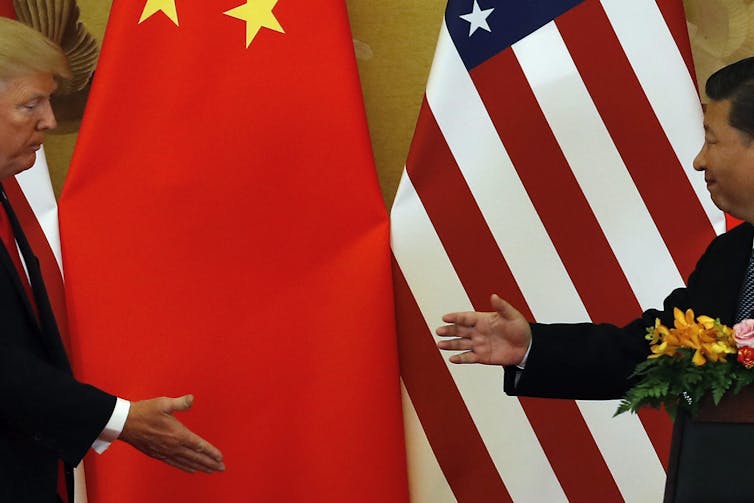
In this November 2017 photo, U.S. President Donald Trump, left, and Chinese President Xi Jinping prepare to shake their hands after a joint news conference at the Great Hall of the People in Beijing. The China-U.S. trade conflict is about far more than trade; it’s about American efforts to change how China deals with the world.
(AP Photo/Andy Wong)

Charles Burton, Brock University

The recent unprecedented, high-level U.S. delegation to Beijing has left China highly dissatisfied.

The group included U.S. Treasury Secretary Steve Mnuchin and America’s toughest China critics, including Commerce Secretary Wilbur Ross, U.S. Trade Representative Robert Lighthizer and presidential trade adviser Peter Navarro.

In the weeks after the trip, reports emerged about a “screaming match” between Navarro, a hardline protectionist where China’s concerned, and Mnunchin, who met one-on-one with his Chinese counterpart, angering Navarro.

But regardless of tensions among American officials, the United States wants to see active measures from China to unconditionally reduce America’s US$375 billion annual trade deficit by US$100 billion this coming year, and another US$100 billion the year after. If not, the U.S. says it will impose tariffs on a total of US$150 billion in Chinese imports.

In March, Lighthizer’s office produced a detailed 182-page document with 1,139 footnotes and five appendices detailing China’s unfair trade practices in the areas of technology transfer, intellectual property and innovation.

In response, China has offered dialogue and hazy promises of further opening of the country’s automotive and financial sectors and tightening protections for intellectual property and proprietary manufacturing processes.

Guess who’s not coming to dinner?

There was no banquet hosted for the Americans by Xi Jinping, a sign of how unhappy the Chinese president is with the U.S. demands. Those demands were denigrated politely in person and ridiculed in print.

In this April 2017 photo, U.S. President Donald Trump hosts Chinese President Xi Jinping at Mar-a-Lago in Palm Beach, Fla. The Chinese leader did not return the favour for a U.S. delegtion that recently travelled to Beijing to talk tough on trade.
(AP Photo/Alex Brandon)

A recent China Daily opinion piece penned by a Yale professor concluded that “the USTR case is an embarrassing symptom of a scapegoat mentality that has turned the U.S. into a country of whiners.”

The delegation, Navarro in particular, will not take kindly to this kind of thing. China may not fully appreciate that its conventional diplomatic countermeasures are unlikely to be effective with Trump’s team in the end.

White House trade adviser Peter Navarro, second from left, is seen in Beijing on May 4, 2018 during talks with Chinese officials on defusing trade tensions.
(AP Photo/Mark Schiefelbein)

The main challenge with U.S.-China negotiations is that the Chinese have no viable demands to make of the Americans in exchange for Chinese concessions. So the Chinese government’s assertion that “the dialogue must be held on an equal footing” and “will hardly work if the U.S. persists in pressing China to accept its conditions” does not bode well for success.

As the Xinhua official news agency put it, China also requires that “the U.S. delegation has to come with sincerity.” As a onetime counsellor in the Canadian embassy in Beijing, I know that phrase – it’s standard Chinese code that demands foreigners humbly agree to whatever China offers. But by the Chinese definition, “sincerity” will not be characteristic of the U.S. approach this time because the Americans view the requirement as a diplomatic trap.

The current U.S. team believes a lack of principled determination in negotiations with China is the weakness that resulted in the failure of past administrations to capitalize on American interests in China.

Past Chinese techniques won’t work

China’s tried-and-true techniques for putting off foreign delegations seeking to persuade the Chinese to comply with the fair trade principles of the World Trade Organization and international convention are not likely to go very far this time.

Ross indicated in an interview that the trade deficit is “too big, too continuing, too chronic and too inspired by evil practices.” A Global Times editorial opines that “China won’t abandon its principles despite pressure.” But the U.S. delegation’s ascription of “evil” to Chinese practices leaves little room for compromise.

During a meeting hosted by President Donald Trump with governors and members of Congress whose constituencies are likely to be hit particularly hard by a trade war, Lighthizer commented: “It is not my objective to change the Chinese system.” But it’s increasingly evident that’s exactly what the U.S. is demanding.

The U.S. has tied their demands to concerns about cyber-espionage and argues that Chinese telecommunications giants Huawei and ZTE, acting as agents of the Chinese state, threaten the national security of the United States, including by violating sanctions against Iran and North Korea.

That’s why Trump’s recent tweet about ZTE has confounded the president’s friends and foes alike.

Whatever the president’s playing at, officials in his administration are also concerned that China’s “Made in China 2025” policy – aimed at achieving global domination of 10 next-generation industries including biotech, aerospace, artificial intelligence and robotics – will be built on purloined U.S. technology.

To this end, the U.S. is considering enacting measures to deny Chinese scholars and graduate students access to U.S. labs engaged in cutting-edge research in areas with military and advanced technologies.

Seeking fundamental transformation

The American delegation that travelled to China in early May was ostensibly negotiating trade, but ultimately what the U.S. wants from China is a fundamental transformation to the way the Chinese engage internationally.

This extends to all bilateral and multilateral obligations as far-reaching as implementing United Nations Security Council resolutions to bringing North Korea to heel and complying with the UN Convention on Law of the Sea, which requires the Chinese to acknowledge that their land reclamation in the South China Sea is illegal.

Essentially, the U.S. regards the common principles that sustain global order and peaceful relations among nations as good, and China’s flaunting of them as evil.

China’s move to establish its own new global order – “the community of the common destiny of humankind” –is based on its deeply held conviction that the U.S. is in rapid decline as a global power.

China’s intention is to “resume its rightful place” as the leader of global civilization, finally redressing its deep humiliation at the hands of Western and Japanese imperialism in the 19th century.

Under Trump, however, the U.S. seeks to stymie Xi Jinping’s enactment of this meta-plan for global domination.

Of course, there are alternative readings of Chinese history and culture that support a liberal democratic alternative path for Chinese development. Remaking the Chinese Communist Party state paradigm will not come easily.

The ConversationThe U.S. trade mission failed, allowing no space for future compromise. What follows will likely be much more than a simple trade war.


Charles Burton, Associate Professor of Political Science, Brock University

This article was originally published on The Conversation.

New findings on earthquakes and oil and gas extraction in  the  United States

0

earthuyake.jpg

New findings on earthquakes and oil and gas extraction in  the  United States – CWEB.com

File 20170504 21649 o2bk0.png?ixlib=rb 1.1
Institut de physique du globe de Paris (IPGP)

Robin Lacassin, Institut de physique du globe de Paris (IPGP) — USPC and Raphael Grandin, Institut de physique du globe de Paris (IPGP) — USPC

In recent years Oklahoma has become one of the most seismically active regions in the United States. This is surprising given that the state is located on the edge of the Great Plains, far away from the boundary of any tectonic plates. Yet 2015 was an exceptional year, with more than 800 earthquakes of magnitude 3 or greater. This is in marked contrast to the period before 2009, when only one earthquake of magnitude greater than 4 was recorded… every 10 years.

What could explain this behavior? Oil and gas exploitation is the main culprit, as the bulk of seismic activity is induced by the injection of massive amounts of wastewater into the subsurface. The water originates from oil and gas production at shale reservoirs, where nonconventional extraction techniques are used, including hydraulic fracturing (often referred to as fracking).

Faced with this crisis, the authorities in Oklahoma have taken first steps to regulate wastewater injection. Consequently, in 2016 there was a — relative — decrease in the seismicity rate, with only 600 earthquakes.

But over the very same period, three earthquakes with magnitudes greater than 5 occurred, causing material damage. This was the case of the September 2016 Pawnee earthquake: with a magnitude of 5.8, it was the strongest earthquake ever recorded in Oklahoma. A team of scientists from Institut de physique du globe de Paris (IPGP) has just published a study on the subject.

Remote destabilization

Using seismological data recorded in the region of the Pawnee earthquake, as well as seismograms acquired thousands of kilometers from the epicenter, it has been possible to reconstruct the rupture sequence.

Observations originating from radar interferograms — computed using data acquired by the Sentinel-1 satellites of the European Space Agency (ESA) — have also been analysed. These images allow for high-accuracy mapping and measuring of ground surface deformation induced by the earthquake.

The joint analysis of these radar and seismological data indicate that slip during the earthquake reached a maximum of 40 centimeters, while being confined to a depth of between 4 to 9 kilometers. This latter finding reveals that the causal link between fluid injection and the triggering of seismic activity is not straightforward.

In fact, wastewater is being injected within the sedimentary cover at depths no greater than 2 to 3 kilometers, noticeably shallower than the earthquake’s origin. The event initiated between 4 to 5 kilometers in depth, and then spread downwards, to 9 kilometers in depth, without ever propagating toward the surface. As a consequence, under the likely assumption that the earthquake was induced by wastewater injection, the perturbation arising from this fluid injection seems to be capable of remotely destabilizing a seismic fault.

The Pawnee earthquake broke a pre-existing fault within the crystalline basement located beneath the sedimentary cover (dashed line) where fluid injection is taking place.
Institut de physique du globe de Paris (IPGP)

Two mechanisms at play

Two physical explanations can be given to account for such a remote triggering.

First, changes in the pressure of fluids trapped in the host rock can be transmitted through the medium, using fractures that are naturally present in the crust to facilitate fluid circulation. Fluids under pressure due to the injection may “push” other fluids located further away from the injection point, forcing them to migrate outward. With time, a pressure “wave” would expand in concentric circles around the injection wells, eventually giving rise to an increase of interstitial pressure in the heart of seismic faults nearby.

Another mechanism primarily involves the tendency of rocks to deform elastically over short time scales (from a few days to several months) around injection points due to fluid pressurization, thereby indirectly affecting the fluids. Akin to a sponge, “squeezed” rocks (even if slightly squeezed) will release fluids that will eventually migrate towards less stressed regions in the surroundings. This fluid migration can also trigger earthquakes.

In Oklahoma, recent legal requirements instruct operators to report injected volumes on a daily basis. This could provide a means for quantifying, using numerical models, the pressure increase on nearby faults. If one wishes to anticipate the occurrence of an earthquake, it may suffice to monitor the faults located in the vicinity of injection wells. Unfortunately, this approach would be subject to high uncertainty due to a poor knowledge of the fault network that has the ability to convey fluids from injection zones up to seismogenic faults. The interaction between several competing physical mechanisms further complicates the understanding of the phenomenon of induced seismicity.

Ancient faults

But a bigger challenge remains to be overcome. The Pawnee earthquake case study further reveals that the fault involved in the earthquake had never been mapped prior to the event. The discovery of a new fault after an earthquake is no surprise. In fact, an a posteriori identification is frequently reported in the literature: before it breaks, a seismic fault often remains silent.

In Oklahoma, this lack of knowledge of the fault network raises a major difficulty because the maximum size of induced earthquakes is mainly controlled by the length of the faults that are available to seismically release stress. As faults are poorly mapped, estimating the magnitude of future earthquakes becomes very uncertain. Geologic studies have revealed that large earthquakes have occurred in the pre-historic past. Wastewater injection could awaken one of the faults involved in these very old earthquakes, leading one of them to break again.

Unfortunately, the extremely low frequency of these earthquakes means that it is difficulty to build an exhaustive inventory of these past ruptures, and even more difficult to anticipate an impending rupture.

In a broader perspective, the central United States has long been recognized as being subject to large, extremely damaging earthquakes, but which fortunately occur on a very infrequent basis. A prime example is the New Madrid, Mo., earthquakes that occurred in 1822 and 1823. This seismic sequence included six earthquakes of magnitudes greater than 7, and a main shock culminating at 7.5. The 2011 Virginia earthquake, with magnitude 5.8, is yet another recent warning that the region is seismically active.

A political issue

Until recent years, the weak seismicity rate in Oklahoma was not considered sufficiently worrying to necessitate any particular paraseismic building codes.

Residential dwellings and public buildings are not ready to withstand seismic shaking, even of moderate intensity, which makes the area particularly vulnerable. If natural seismic activity in the central United States is still difficult to understand, and even more difficult to handle, the same cannot be said of those phenomena that stem from human activities.

Reducing, or even putting a full stop to the massive injection operations carried out at the regional scale by oil companies, could lead to a drop in the seismicity rate, hence to a decrease in the related hazard.

But such a decision is in the hands of the political sphere. In this respect, the recent appointment of Scott Pruitt at the head of the Environment Protection Agency (EPA) by Donald Trump represents a tipping point.

Over the last years, Scott Pruitt, former Attorney General of the State of Oklahoma, has worked to limit federal interventions aimed to restrain the ecological impact of oil extraction activity in Oklahoma. The role of oil lobbies in providing a backdrop for the policies promoted by Scott Pruitt is subject to many questions in the local and national media.

The fact that the oil industry remains the main employer in Oklahoma further complicates attempts by the public to take a stance against wastewater injection, which can be considered as an unprecedented full-scale geophysical experience. Accounting for a human dimension in seismic hazard, where industrial, citizen, political and scientific influences are intertwined, dramatically increases the uncertainty of mitigating the effects of seismicity.

It should be noted that complex human factors do not only operate in this very particular case of induced seismic hazard due to oil exploitation in Oklahoma. A combination of scientific, technological and political responsibilities have also been highlighted in the case of the Fukushima disaster that hit Japan in 2011, which included an earthquake, a tsunami and a nuclear accident.


The ConversationThe authors would like to thank Tara L. Shreve for her assistance in the translation of this article.


Robin Lacassin, Directeur de recherche, Institut de physique du globe de Paris (IPGP) — USPC and Raphael Grandin, Maître de conférences en géophysique, Institut de physique du globe de Paris (IPGP) — USPC

This article was originally published on The Conversation.

What Prince Harry and Meghan Markle’s wedding can teach us about the economics of partying

0

Prince_Harry_and_Meghan_Markle.jpg

What Prince Harry and Meghan Markle’s wedding can teach us about the economics of partying – CWEB.com

File 20180516 155607 4tyej0.jpg?ixlib=rb 1.1
Ink Drop / Shutterstock.com

Jonathan Seaton, Loughborough University

The cost Prince Harry and Meghan Markle’s nuptials on May 19 2018 has been estimated at £32m by one wedding planning company. The cost to the public, however, will be far less than his brother William’s marriage to Catherine in 2011, largely because this brought with it a bank holiday.

Still, £32m is a lot to spend on a party. It can be justified, however, if the benefits outweigh the costs. For this to happen with the latest royal wedding — or any mega event that’s being staged — the most important thing is that the money involved has a long-term positive impact.

Then there’s the social dimension to any party. Building better relationships with your family, friends, colleagues or neighbours is an important part of any event. So this shouldn’t be discounted.

One of the big arguments for events is “what goes around comes around”. This sums up what economists call the “multiplier effect”. Take a simple example. The same company that estimates the wedding will cost £32m accounts for £26,000 being spent on sausage rolls, which will be given to the 2,640 members of the public that are attending. This will boost the profits and pay packets of the sausage roll company that’s providing them. And this, in turn, will likely be poured back into the wider economy. Over a year, this £26,000 could add extra benefits totalling much more than the original outlay.

Multiplication not diversion

So the big spend on the royal wedding will create additional spending, just like the Olympics and any other mega event. It’s growing the economy, right?

Maybe. That depends on how the money and resources are being spent on the wedding and on the state of the wider economy.

If all the resources in the economy are already working at capacity, the extra £26,000 just contributes to inflation, as the buoyant demand grows prices, not output. In fact, output of other important things may be slowed as production switches to more sausage rolls rather than, say, medical treatment.

Take another example of costs: the policemen and security staff needed to cover the royal wedding. They have to be diverted from somewhere. So instead of there being a multiplier effect, we see more of a diversion of resources from one place to another. For spending to have a real multiplier effect it should be invested in something productive.

Let’s say the royals feel guilty about their excessive sausage roll expenditure plans and instead decide to keep the £26,000 in the bank. Following the multiplier idea, this could have a negative effect on the economy because of the revenue it would have produced for the sausage roll seller.

But let’s say the bank lent this money out to generate new investment in robots that were much more productive in making sausage rolls — the economy would gain in higher productivity as a result. This is known as the paradox of thrift. Saving is bad for the economy in the short run, but great for growing the economy in the long run.

A sausage roll worth waiting for.
shutterstock.com

The lesson here is that we all get sausage rolls much more cheaply, but we have to wait and suffer a little bit first. Saving becomes investment, which becomes productivity increases, which becomes economic growth, which becomes economic well-being. So party economics says, save up now and have a better party later.

The UK benefited greatly from the 2012 London Olympics because the substantial infrastructure was not only created for the games, but brought significant investment and long-term employment to an otherwise disused part of the city.

Good party economics balances the amount consumed and the amount invested. If you under-invest then roads get pot holes, cars break down, deliveries fail, hospitals don’t get built and productivity declines. Saving, investing, creating new markets, creating new infrastructure, education, health and developing new skills is the message here.

Markle’s dress is expected to set future fashion trends and the evidence suggests Prince William’s wedding brought a tourism bump. So opening new markets might be the answer here — copycat wedding dresses and various wedding-branded collectables will bring some returns.

The ConversationWho knows, the great British sausage roll might become the new global foody item of 2018. But one thing is certain, only by creating and not diverting can parties be economical.

Jonathan Seaton, Reader in Business Economics, Loughborough University

This article was originally published on The Conversation.

Wells Fargo Bank Under Scrutiny Again

0


wellsfargo1

Wells Fargo Bank under Scrutiny Again – CWEB.com

Leslie Cohen

It has just been discovered that some Wells Fargo & Co (NYSE:WFC) employees have altered business documents of some customers, raising concerns about them changing forms that are required to comply with anti-money laundering laws.

The bank claims that the employed workers were not following proper protocol procedures and it seems to be more of a technical error filling out paperwork. Wells Fargo reports it has been working diligently to fix internal controls.

Wells Fargo has constantly been under fire for many illegal activities, including improper activity with its small business clients by charging them high credit card fees, overcharging on overdraft checking fees, high termination fees, and selling them insurance that they did not want or need. Practices included deceptive and misleading language that purposely confused customers.

It was found that fees of $500.00 were excessively high when a small business tried to get out of their merchant services contract. A lawsuit was filed by Queen City Tours.

Federal Reserve has placed massive penalties on the bank for “widespread consumer abuses,” prohibiting the bank from growing its balance sheet until it cleans up its act.

Wells Fargo has been ordered to pay $97.3 million in damages to mortgage workers in the state of California who weren’t paid properly for allowed breaks. California’s has some of the toughest labor laws in the country. California law requires that employers allow workers to be paid for an allowed 10-minute break for every four hours they’re working at their place of employment. U.S. District Judge Percy Anderson ruled in favor of the employees in the class action suit.