Post a Free Blog

Submit A Press Release

At CWEB, we are always looking to expand our network of strategic investors and partners. If you're interested in exploring investment opportunities or discussing potential partnerships and serious inquiries. Contact: jacque@cweb.com

Generic selectors
Exact matches only
Search in title
Search in content
Post Type Selectors
Filter by Categories
Action
Animation
Anime
ATP Tour (ATP)
Auto Racing
Baseball
Basketball
Boxing
Breaking News
Business
Business
Business Newsletter
Call of Duty (CALLOFDUTY)
Canadian Football League (CFL)
Car
Celebrity
Champions Tour (CHAMP)
Comedy
CONCACAF
Counter Strike Global Offensive (CSGO)
Crime
Dark Comedy
Defense of the Ancients (DOTA)
Documentary and Foreign
Drama
eSports
European Tour (EPGA)
Fashion
FIFA
FIFA Women’s World Cup (WWC)
FIFA World Cup (FIFA)
Fighting
Football
Formula 1 (F1)
Fortnite
Golf
Health
Hockey
Horror
IndyCar Series (INDY)
International Friendly (FRIENDLY)
Kids & Family
League of Legends (LOL)
LPGA
Madden
Major League Baseball (MLB)
Mixed Martial Arts (MMA)
MLS
Movie and Music
Movie Trailers
Music
Mystery
NASCAR Cup Series (NAS)
National Basketball Association (NBA)
National Football League (NFL)
National Hockey League (NHL)
National Women's Soccer (NWSL)
NBA Development League (NBAGL)
NBA2K
NCAA Baseball (NCAABBL)
NCAA Basketball (NCAAB)
NCAA Football (NCAAF)
NCAA Hockey (NCAAH)
Olympic Mens (OLYHKYM)
Other
Other Sports
Overwatch
PGA
Politics
Premier League (PREM)
Romance
Sci-Fi
Science
Soccer
Sports
Sports
Technology
Tennis
Thriller
Truck Series (TRUCK)
True Crime
Ultimate Fighting Championship (UFC)
US
Valorant
Western
Women’s National Basketball Association (WNBA)
Women’s NCAA Basketball (WNCAAB)
World
World Cup Qualifier (WORLDCUP)
WTA Tour (WTA)
Xfinity (XFT)
XFL
0
Home Blog Page 13379

The Pope Wears Prada: how religion and fashion connected at Met Gala 2018

0

white-background (37)

The Pope Wears Prada: how religion and fashion connected at Met Gala 2018 – CWEB.com
File 20180508 34024 1rn57qk.jpg?ixlib=rb 1.1
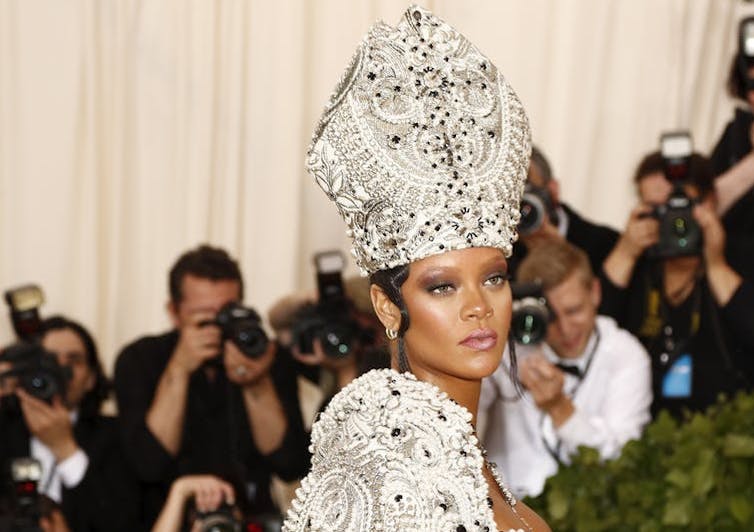
Rihanna at the Metropolitan Museum of Art Costume Institute’s benefit celebrating ‘Heavenly Bodies’ in New York, May 7, 2018.
EPA images

Katie Edwards, University of Sheffield and M J C Warren, University of Sheffield

Clothing has always played a key role in religious expression, and the theme of the recent Met Gala in New York — “Heavenly Bodies: Fashion and the Catholic Imagination” — and the sensational outfits it spawned showed that Christianity and its imagery can still cause jaws to drop.

The gala is a fundraising and showcase event for the Metropolitan Museum of Art’s Costume Institute, which will host an exhibition on fashion and the Catholic imagination from May 10. But the event is also a big deal among the world’s fashionistas, which means that it has made religion truly de rigeur. As curator Andrew Bolton said: “Dress is central to any discussion about religion. It affirms religious allegiances, and, by extension, it asserts religious differences.”

The red carpet certainly glittered, but a closer look reveals the religious significance behind some of the best looks of the night.

You look divine

Stars referenced specific religious figures, from saints to the Pope — and no one’s going to forget Rihanna’s outfit anytime soon. Lily Collins and Lana Del Rey both paid homage to Our Lady of Sorrows, though focusing on different aspects of the manifestation of the Virgin Mary. Collins chose an understated reference using jewelled tears …

… while Lana Del Rey opted to represent the full iconographic horror of the heart pierced with the seven swords.

Some felt let down by Kim Kardashian West’s gold metallic gown, which featured only small crucifix details. However, as one Twitter user observed, extravagant use of gold is also part of Christian ritual iconography.

Kardashian West’s costume choice, then, might hark back to her internet-breaking magazine cover, which also associated her body with a cup overflowing with wine.

Clothed in glory

Halos predominated at the May 7 event.

From glittering metal crowns to Janelle Monae’s nimbus-shaped hat, halos were used by celebs to indicate their divine status, reflecting centuries of iconography and legend. Known in the New Testament from Jesus’s shining transfiguration and elaborated on by centuries of the glittering round halo that surrounds images of the Virgin Mary, the glowing halo is the symbol of divinity. But while spectacular halos abounded, one headpiece stood out from the crowd.

Solange Knowles paired her braided golden halo with a black du-rag, pushing back against the notion that heaven is white and reminding onlookers that contemporary African American sartorial culture is also heavenly. In an interview on the red carpet, Solange stated that she was directly influenced by the Black Madonna and African saints.

Her du-rag, flowing long like a train, is bejewelled with the words “My God Wears a Du Rag”.

Disrupting white dominance

Bolton explained his focus on Catholicism, a choice that hasn’t gone without criticism, to The Observer:

The genesis of the exhibition came about five years ago when I was hoping to focus on five religions – Islam, Buddhism, Hinduism, Judaism and Catholicism. The idea was to do site-specific interventions that represented those belief systems in galleries in the Met. But it became really clear that about 80% of the material that I was looking at was inspired by Catholicism. It makes sense, because of the Western tradition’s imagistic history and the storytelling tradition.

It was beginning to look imbalanced. I was worried that it might be misinterpreted, that the other four religions might seem like tokens. And when the Vatican came on board, it made the imbalance even greater. So I decided to focus on Catholicism, because the body of material was stronger.

The focus on Catholic art history could have meant that the event — and associated exhibition — was overwhelmingly white, despite the fact that Catholicism is diverse and plenty of people of colour are represented in Christian art. But Solange disrupted this white dominance with her choice of outfit, as did many other women of colour at the gala. Several were also inspired by Black Madonna imagery to celebrate and foreground black women in a context where white women and white religious imagery is dominant.

Non Christian heavenly bodies?

Perhaps unsurprisingly given the theme, Christian iconography was everywhere at the gala. But there were a few exceptions. Selena Gomez stated in an interview that she wanted to embody Queen Esther, a pre-Christian biblical figure who saves the Jewish population and whose bravery is commemorated in the Jewish festival of Purim.

Gomez’s handbag was also embroidered with the words from Proverbs 31:30: “A woman who fears the Lord is a woman who shall be praised.”

Queen Esther isn’t prominent in Christian theology but Christian use of Jewish figures is nothing new, and Gomez, a Christian, speaks about celebrating strong women in an interview with Vogue.

The original Wonder Woman, Lynda Carter, meanwhile, wowed spectators with her dazzling crown, which included the Hebrew phrase “l’olam al tishkachi” (never forget), and her Star of David hair pin.

Carter’s use of Jewish imagery comes from a different point of reference to Gomez’s since Carter, a former “born-again” Christian, is now married to a Jewish man and has Jewish children; Carter is self-conscious of her use of Jewish symbols and their meaning.

‘Evangelism through beauty’?

At the exhibition’s recent press preview, the Archbishop of New York, Cardinal Timothy Dolan, commented:

In the Catholic imagination, the truth, goodness and beauty of God is reflected all over the place, even in fashion … the world is shot through with His glory and His presence.

The ConversationRather than trying to convert people through fashion, the church should take a leaf out of Rihanna’s book and shift some of its approaches. While a Pope Rihanna might seem laughable or heretical, the church has been resisting increasing pressure to ordain women as priests. The Met Gala shows that religion is being killed by outdated ideology rather than a lack of interest in it. Rather than just over-the-top fashion statements, the outfits worn by Solange, Rihanna and others represent a challenge to the white patriarchal status quo.

Katie Edwards, Director SIIBS, University of Sheffield and M J C Warren, Lecturer in Biblical and Religious Studies, University of Sheffield

This article was originally published on The Conversation.


What do we know about marijuana’s medical benefits? Two experts explain the evidence

0

Woman_smoking_marijauana

What do we know about marijuana’s medical benefits? Two experts explain the evidence – CWEB.com

Steven Kinsey, West Virginia University and Divya Ramesh, University of Connecticut

Currently 25 states and the District of Columbia have medical cannabis programs. On Nov. 8, Arkansas, Florida and North Dakota will vote on medical cannabis ballot initiatives, while Montana will vote on repealing limitations in its existing law.

We have no political position on cannabis legalization. We study the cannabis plant, also known as marijuana, and its related chemical compounds. Despite claims that cannabis or its extracts relieve all sorts of maladies, the research has been sparse and the results mixed. At the moment, we just don’t know enough about cannabis or its elements to judge how effective it is as a medicine.

What does the available research suggest about medical cannabis, and why do we know so little about it?

The jury is still out on marijuana’s medical benefits.
Thomas Hawk/Flickr, CC BY-NC

What are researchers studying?

While some researchers are investigating smoked or vaporized cannabis most are looking at specific cannabis compounds, called cannabinoids.

From a research standpoint, cannabis is considered a “dirty” drug because it contains hundreds of compounds with poorly understood effects. That’s why researchers tend to focus on just one cannabinoid at a time. Only two plant-based cannabinoids, THC and cannabidiol, have been studied extensively, but there could be others with medical benefits that we don’t know about yet.

THC is the main active component of cannabis. It activates cannabinoid receptors in the brain, causing the “high” associated with cannabis, as well as in the liver, and other parts of the body. The only FDA-approved cannabinoids that doctors can legally prescribe are both lab produced drugs similar to THC. They are prescribed to increase appetite and prevent wasting caused by cancer or AIDS.

Cannabidiol (also called CBD), on the other hand, doesn’t interact with cannabinoid receptors. It doesn’t cause a high. Seventeen states have passed laws allowing access to CBD for people with certain medical conditions.

Our bodies also produce cannabinoids, called endocannabinoids. Researchers are creating new drugs that alter their function, to better understand how cannabinoid receptors work. The goal of these studies is to discover treatments that can use the body’s own cannabinoids to treat conditions such as chronic pain and epilepsy, instead of using cannabis itself.

Cannabis is promoted as a treatment for many medical conditions. We’ll take a look at two, chronic pain and epilepsy, to illustrate what we actually know about its medical benefits.

Is it a chronic pain treatment?

Research suggests that some people with chronic pain self-medicate with cannabis. However, there is limited human research on whether cannabis or cannabinoids effectively reduce chronic pain.

Research in people suggest that certain conditions, such as chronic pain caused by nerve injury, may respond to smoked or vaporized cannabis, as well as an FDA-approved THC drug. But, most of these studies rely on subjective self-reported pain ratings, a significant limitation. Only a few controlled clinical trials have been run, so we can’t yet conclude whether cannabis is an effective pain treatment.

An alternative research approach focuses on drug combination therapies, where an experimental cannabinoid drug is combined with an existing drug. For instance, a recent study in mice combined a low dose of a THC-like drug with an aspirin-like drug. The combination blocked nerve-related pain better than either drug alone.

In theory, the advantage to combination drug therapies is that less of each drug is needed, and side effects are reduced. In addition, some people may respond better to one drug ingredient than the other, so the drug combination may work for more people. Similar studies have not yet been run in people.

Well-designed epilepsy studies are badly needed

Despite some sensational news stories and widespread speculation on the internet, the use of cannabis to reduce epileptic seizures is supported more by research in rodents than in people.

In people the evidence is much less clear. There are many anecdotes and surveys about the positive effects of cannabis flowers or extracts for treating epilepsy. But these aren’t the same thing as well-controlled clinical trials, which can tell us which types of seizure, if any, respond positively to cannabinoids and give us stronger predictions about how most people respond.

While CBD has gained interest as a potential treatment for seizures in people, the physiological link between the two is unknown. As with chronic pain, the few clinical studies have been done included very few patients. Studies of larger groups of people can tell us whether only some patients respond positively to CBD.

We also need to know more about the cannabinoid receptors in the brain and body, what systems they regulate, and how they could be influenced by CBD. For instance, CBD may interact with anti-epileptic drugs in ways we are still learning about. It may also have different effects in a developing brain than in an adult brain. Caution is particularly urged when seeking to medicate children with CBD or cannabis products.

Cannabis research is hard

Well-designed studies are the most effective way for us to understand what medical benefits cannabis may have. But research on cannabis or cannabinoids is particularly difficult.

Cannabis and its related compounds, THC and CBD, are on Schedule I of the Controlled Substances Act, which is for drugs with “no currently accepted medical use and a high potential for abuse” and includes Ecstasy and heroin.

In order to study cannabis, a researcher must first request permission at the state and federal level. This is followed by a lengthy federal review process involving inspections to ensure high security and detailed record-keeping.

In our labs, even the very small amounts of cannabinoids we need to conduct research in mice are highly scrutinized. This regulatory burden discourages many researchers.

Designing studies can also be a challenge. Many are based on users’ memories of their symptoms and how much cannabis they use. Bias is a limitation of any study that includes self-reports. Furthermore, laboratory-based studies usually include only moderate to heavy users, who are likely to have formed some tolerance to marijuana’s effects and may not reflect the general population. These studies are also limited by using whole cannabis, which contains many cannabinoids, most of which are poorly understood.

Placebo trials can be a challenge because the euphoria associated with cannabis makes it easy to identify, especially at high THC doses. People know when they are high.

Another type of bias, called expectancy bias, is a particular issue with cannabis research. This is the idea that we tend to experience what we expect, based on our previous knowledge. For example, people report feeling more alert after drinking what they are told is regular coffee, even if it is actually decaffeinated. Similarly, research participants may report pain relief after ingesting cannabis, because they believe that cannabis relieves pain.

The best way to overcome expectancy effects is with a balanced placebo design, in which participants are told that they are taking a placebo or varying cannabis dose, regardless of what they actually receive.

Studies should also include objective, biological measures, such as blood levels of THC or CBD, or physiological and sensory measures routinely used in other areas of biomedical research. At the moment, few do this, prioritizing self-reported measures instead.

Cannabis isn’t without risks

Abuse potential is a concern with any drug that affects the brain, and cannabinoids are no exception. Cannabis is somewhat similar to tobacco, in that some people have great difficulty quitting. And like tobacco, cannabis is a natural product that has been selectively bred to have strong effects on the brain and is not without risk.

Although many cannabis users are able to stop using the drug without problem, 2-6 percent of users have difficulty quitting. Repeated use, despite the desire to decrease or stop using, is known as cannabis use disorder.

As more states more states pass medical cannabis or recreational cannabis laws, the number of people with some degree of cannabis use disorder is also likely to increase.

The ConversationIt is too soon to say for certain that the potential benefits of cannabis outweigh the risks. But with restrictions to cannabis (and cannabidiol) loosening at the state level, research is badly needed to get the facts in order.

Steven Kinsey, Assistant Professor of Psychology, West Virginia University and Divya Ramesh, Research Associate, University of Connecticut

This article was originally published on The Conversation. Read the original article.

 

No, the war in Afghanistan isn’t a hopeless stalemate

0

US_10th_Mountain_Division_soldiers_in_Afghanistan

No, the war in Afghanistan isn’t a hopeless stalemate – CWEB.com

File 20180503 182160 h6gt49.jpg?ixlib=rb 1.1
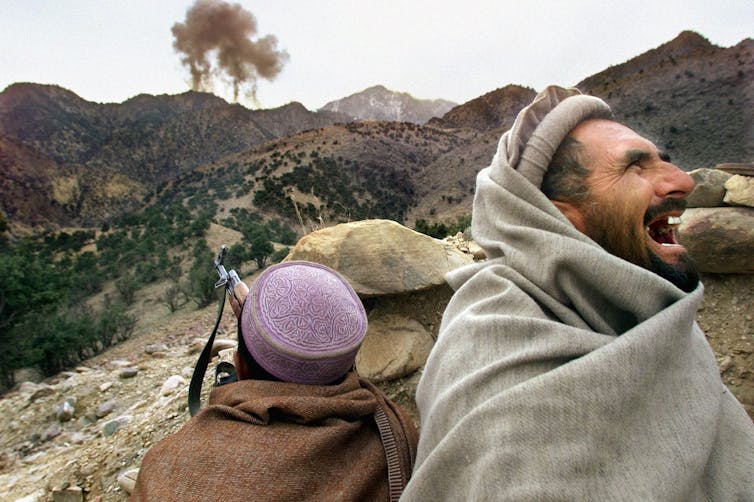
Afghan Northern Alliance fighters in 2001. Almost two decades later, the war continues.
AP Photo/David Guttenfelder

Robert M. Cassidy, Wesleyan University

The war in Afghanistan has become so protracted that it warrants the epithet the “Groundhog Day War.”

Fighting has gone on for nearly 17 years, with U.S. troops in Afghanistan seven years longer than the Soviets were.

The U.S. leadership claims to have a strategy for victory even as warm weather brings in yet another “fighting season” and new rounds of deadly violence in Kabul.

Sixteen years and seven months of violence, loss, sacrifice and significant investment, without victory, is alarming — but is it without hope?

As a scholar of Afghanistan and strategy and a soldier who has served four tours in the country, I’d like to explore both the apparent stalemate and the reasons for harboring hope of an eventual resolution.

The ‘Groundhog War’

In terms of fighting battles and taking ground, momentum in the war in Afghanistan has ebbed back and forth from the coalition formed by the U.S., NATO and Afghan troops to the Islamist insurgents who call themselves the Taliban, or “the students.”

The two sides see gains and losses each year, until colder weather diminishes their ability to fight until the following spring. As the weather warms up, the pattern repeats itself. This story is told by 10 years of U.S. Department of Defense reports on Afghanistan that are required every six months by Congress.

Of course, it’s impossible to identify simple reasons for the failure to win something as complex as a war. Early on, the coalition and its Afghan partners lacked a strategy and a willingness to help rebuild the country after decades of war among Afghans, Russians, the Mujihadeen — and ultimately the Taliban — made Afghanistan one of the most damaged and destitute countries on the planet.

The Bush administration reviled the notion of nation-building, focusing instead on targeting individuals for killing and capturing. For the first several years, the U.S. relied too heavily on warlords, tolerated venal Afghan leadership and employed air power indiscriminately, thus inadvertently killing civilians. All of this aggrieved many Afghans.

Still, none of those missteps were decisive. Rather, I would argue that the war has dragged on for one overarching reason — Pakistan’s support for the Taliban.

The proof is in years of those Department of Defense reports.

A place to run and hide

The November 2013 report stated that Pakistan provides physical sanctuary to the Taliban leadership and that sanctuary is “a major factor preventing their decisive defeat.” It reported, Taliban “insurgents that attack Coalition forces continue to operate from Pakistan.” What’s more, most of the materials required to sustain the conflict, and “emanating from Pakistan,” remained significant.

Nothing had changed three years later when, at the end of 2016, yet another report noted that the Taliban — including the senior leadership of the lethal Haqqani clan that excels at high-profile terrorist attacks — had retained sanctuary inside Pakistan.

The December 2017 report affirmed “the externally supported Haqqani Network remains the greatest threat to Afghan, U.S., and Coalition forces.”

In testimony before the U.S. Senate Armed Services Committee, General Joe Votel, the commander of U.S. Central Command expressed concerns about the Haqqani network, saying it “poses the greatest threat to Coalition forces operating in Afghanistan.”

Of course, Pakistan’s security establishment consistently and eloquently denies all this.

Afghan protesters hold a banner that reads ‘ISI clear enemy,’ during a demonstration in Kabul in 2011. ISI stands for Inter-Services Intelligence, part of the Pakistani Army.
AP Photo/Musadeq Sadeq

Too much tactics

A corollary explanation for the stalemate is America’s tendency to focus on strikes and operations without necessarily linking those operations to the ultimate desired outcome: peace and stability.

This was the case 30 years ago when the U.S. was supporting the Mujahideen during the Soviet-Afghan War, and it was the case with Rumsfeld’s Pentagon from the beginning years of the war in Afghanistan.

After the ill-conceived invasion of Iraq, Afghanistan turned into a secondary and underresourced effort for the U.S. with a limited number of special operations and conventional forces conducting strikes and raids to kill or capture key leaders. There was a dearth of troops and resources committed to address the challenge of stabilizing the country.

The biannual defense department reports tell this story too. They tend to quantify the number of tactical actions — rather than assessing their effectiveness. While strikes that kill or capture enemy leaders do disrupt and damage the Taliban, their effects are fleeting, not decisive. They do not bring strategic momentum.

Not hopeless

However, with the change in policy last August, there is cause for hope.

The stated policy of the current administration is to win in Afghanistan. This contrasts to the previous policy, which was simply not to lose.

But what would winning look like?

A win, according to a definition worked out during my tours as an adviser to senior military leaders, would be a durable Afghan state, with the government, the security forces and the population aligned against a marginalized Taliban.

Another reason for hope is that this new strategy is based on conditions on the ground being met, not arbitrary timelines. The strategy calls for an increase of about 3,500 U.S. forces — to a total of over 14,000 — to advise and assist the Afghan security forces. NATO countries are also contributing additional troops, bringing the total number of Coalition troops in Afghanistan to more than 21,000.

This modest increase in troops isn’t enough to break the strategic stalemate. However, it will support growing the Afghan Special Security Forces, building the capacity of the Afghan Air Force and improving the other security forces by employing more advisers with tactical units that do the fighting. That should allow the Afghan security forces to win more battles against the Taliban and gather marked operational momentum that will complement efforts to alter Pakistan’s harmful strategic proclivities.

Perhaps most notably, the new strategy avows that “we must see fundamental changes in the way Pakistan deals with terrorist safe-havens in its territory” for the strategy to gain momentum.

Of course, just stating that there is a new strategy does not necessarily mean the strategy is working. In mid-January 2018, America’s U.N. ambassador, Nikki Haley, stated that Afghanistan peace talks are closer than ever before.
Days later, the Haqqani network attacked the Kabul Intercontinental Hotel, killing at least 30 people. Less than a week later, the Haqqani network murdered more than 100 people by detonating an explosive-laden ambulance in a crowded section of Kabul. Two more complex suicide attacks followed in April. And in early May, Islamist militants attacked a voter registration site in Khost Province, killing over 17 and wounding more than 30. Khost is next to the Haqqani sanctuary in Pakistan.

Since 9/11, the United States has explicitly stipulated that Pakistan must cease support to extremist and terrorist groups. Diplomacy and US$33 billion in aid since 2002 have not brought a change in Pakistan’s conduct. Some have suggested that withholding aid from Pakistan is a step in the right direction. Withholding funds is not nearly good enough to compel accountability, nor to punish Pakistan for years of odious actions. Pakistan has not stopped its support of terrorists and insurgents in Afghanistan in any fundamental way. It is time to consider responding with punitive, lethal measures aimed at institutions in Pakistan that directly advise and fund the Taliban and the Haqqani network.

Some may wonder why it’s necessary to persist in this war — and not just bring the U.S. involvement in it to an end.

Practically speaking, Afghanistan represents an excellent base for combating Islamist terrorists in that region of the world.

The ConversationBut there is also an ethical argument for seeing the war through to a successful end. Afghanistan has been the good war of the post-9/11 wars. The United States went to war there for the right reasons — defeating al-Qaida, the perpetrators of the 9/11 attacks, and removing the Taliban regime that provided sanctuary to al-Qaida. Although imperfectly carried out, the coalition also attempted to fight a just war by avoiding the killing of civilians. It would be fair to argue that it is a moral imperative that the U.S. not quit on a commitment to its Afghan allies in a war against externally directed murderous Islamists.

Robert M. Cassidy, Chamberlain Project Teaching Fellow, Wesleyan University

This article was originally published on The Conversation. Read the original article.


Is bigger really better?

0

bigger

Is bigger really better? – CWEB.com

File 20180511 34006 p3bolc.jpg?ixlib=rb 1.1
A luxury home near Philadelphia.
Alexandra Staub, CC BY

Alexandra Staub, Pennsylvania State University

The United States is facing a housing crisis: Affordable housing is inadequate, while luxury homes abound. Homelessness remains a persistent problem in many areas of the country.

Despite this, popular culture has often focused on housing as an opportunity for upward mobility: the American Dream wrapped within four walls and a roof. The housing industry has contributed to this belief as it has promoted ideals of “living better.” Happiness is marketed as living with both more space and more amenities.

As an architect and scholar who examines how we shape buildings and how they shape us, I’ve examined the trend toward “more is better” in housing. Opulent housing is promoted as a reward for hard work and diligence, turning housing from a basic necessity into an aspirational product.

Yet what are the ethical consequences of such aspirational dreams? Is there a point where “more is better” creates an ethical dilemma?

The better housing craze

The average single-family home built in the United States in the 1960s or before was less than 1,500 square feet in size. By 2016, the median size of a new, single-family home sold in the United States was 2,422 square feet, almost twice as large.

A new single-family home in 2016.
www.census.gov

Single-family homes built in the 1980s had a median of six rooms. By 2000, the median number of rooms was seven. What’s more, homes built in the 2000s were more likely than earlier models to have more of all types of spaces: bedrooms, bathrooms, living rooms, family rooms, dining rooms, dens, recreation rooms, utility rooms and, as the number of cars per family increased, garages.

Today, homebuilding companies promote these expanding spaces — large yards, spaces for entertainment, private swimming pools, or even home theaters — as needed for recreation and social events.

Each home a castle?

Living better is not only defined as having more space, but also as having more and newer products. Since at least the 1920s, when the “servant crisis” forced the mistress of the house to take on tasks servants had once performed, marketing efforts have suggested that increasing the range of products and amenities in our home will make housework easier and family life more pleasant. The scale of such products has only increased over time.

In the 1920s, advertising suggested that middle-class women who had once had servants to do their more odious housework could now, with the right cleaners, be able to easily do the job themselves.

By the 1950s, advertisements touted coordinated kitchens as allowing women to save time on their housework, so they could spend more time with their families. More recently, advertisers have presented the house itself as a product that will improve the family’s social standing while providing ample space for family activities and togetherness for the parent couple, all the while remaining easy to maintain. The implication has been that even if our houses get larger, we won’t need to spend more effort running them.

In my research, I note that the housework shown — cooking, doing laundry, helping children with their homework — is presented as an opportunity for social engagement or family bonding.

Advertisements never mentioned that more bathrooms also mean more toilets to scrub, or that having a large yard with a pool for the kids and their friends means hours of upkeep.

The consequences of living big

As middle-class houses have grown ever larger, two things have happened.

First, large houses do take time to maintain. An army of cleaners and other service workers, many of them working for minimal wages, are required to keep the upscale houses in order. In some ways, we have returned to the era of even middle-class households employing low-wage servants, except that today’s servants no longer live with their employers, but are deployed by firms that provide little in the way of wages or benefits.

Second, once-public spaces such as municipal pools or recreational centers, where people from diverse backgrounds used to randomly come together, have increasingly become privatized, allowing access only to carefully circumscribed groups. Even spaces that seem public are often exclusively for the use of limited populations. For example, gated communities sometimes use taxpayer funds — money that by definition should fund projects open to the public — to build amenities such as roads, parks or playgrounds that may only be used by residents of the gated community or their guests.

Limiting access to amenities has had other consequences as well. An increase in private facilities for the well-off has gone hand in hand with a reduction of public facilities available to all, with a reduced quality of life for many.

Take swimming pools. Whereas in 1950, only 2,500 U.S. families owned in-ground pools, by 1999 this number had risen to 4 million. At the same time, public municipal pools were often no longer maintained and many were shuttered, leaving low-income people nowhere to swim.

Mobility opportunities have been affected, too. For example, 65 percent of communities built in the 1960s or earlier had public transportation; by 2005, with an increase in multi-car families, this was only 32.5 percent. A reduction in public transit decreases opportunities for those who do not drive, such as youth, the elderly, or people who cannot afford a car.

Redefining the paradigm

“Living better” through purchasing bigger housing with more lavish amenities thus poses several ethical questions.

In living in the United States, how willing should we be to accept a system in which relatively opulent lifestyles are achievable to the middle class only through low-wage labor by others? And how willing should we be to accept a system in which an increase in amenities purchased by the affluent foreshadows a reduction in those amenities for the financially less endowed?

Ethically, I believe that the American Dream should not be allowed to devolve into a zero-sum game, in which one person’s gain comes at others’ loss. A solution could lie in redefining the ideal of “living better.” Instead of limiting access to space through its privatization, we could think of publicly accessible spaces and amenities as providing new freedoms though opportunities for engaging with people who are different from us and who might thus stretch our thinking about the world.

Redefining the American Dream in this way would open us to new and serendipitous experiences, as we break through the walls that surround us.

The ConversationEditor’s note: This piece is part of our series on ethical questions arising from everyday life. We would welcome your suggestions. Please email us at ethical.questions@theconversation.com.

Alexandra Staub, Associate Professor of Architecture; Affiliate Faculty, Rock Ethics Institute, Pennsylvania State University

This article was originally published on The Conversation. Read the original article.


Studying poop samples, scientists find clues on health and disease

0

poop-happens-sign

Studying poop samples, scientists find clues on health and disease – CWEB.com

File 20180514 100690 1qfkyzd.jpg?ixlib=rb 1.1
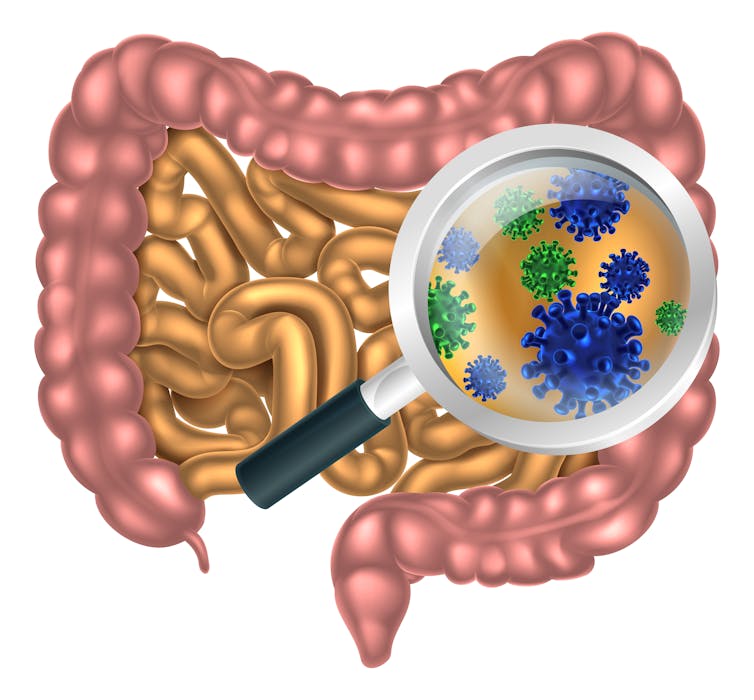
Though examining poop samples scientists working on the American Gut Project are getting a new perspective on the microbes in our guts.
By Christos Georghiou/Shutterstock.com

Daniel McDonald, University of California San Diego

Have you ever wondered what’s going on in your poop? Perhaps not. But this is precisely what we think about every day at the American Gut Project, the world’s largest microbiome citizen science effort, located at UC San Diego School of Medicine. And we don’t just think about it. We develop new cutting-edge analytical methods — in the lab and on the computer — to analyze the DNA and molecules that microbes make while living in your gut. Anyone can send us their poop, and we’ll tell them what’s going on!

But this probably still sounds pretty weird. Why would we want people to send us their waste? After all, normally you just flush it down the toilet. As it happens, the microbial ecology and molecular landscape of poop is incredibly complex, and we’re just starting to discover which microbes are critical to your health and why. Microbes are responsible for breaking down the fiber in your diet, and they produce critical nutrients, including one called butyrate that feeds the cells lining your gut. In the past decade, we and other researchers around the world have uncovered the consequences of disrupting this community of microbes on the incidence of disease.

Diseases linked to the gut microbiome now include obesity and Kwashiorkor (a severe form of malnutrition), liver disease, heart disease, and perhaps most surprisingly, even depression and Parkinson’s disease.

However, these studies focused on carefully selected individuals, which potentially excludes other kinds of microbes found in more diverse populations of people. And so we’re actively seeking out as many different kinds of poop samples as we can, collecting the lifestyle and health details from each participant, so we can uncover unknown connections between microbes and health and disease.

Who lives in your gut depends on the foods you eat

In our first major publication, we describe what we learned from more than 10,000 participants. For these samples, we decoded the DNA of the bacteria and archaea, another microscopic inhabitant, in each stool sample to get an idea of the types of microbes present and their relative abundance. On a few hundred especially interesting samples from participants that spanned extremes of plant consumption and antibiotic use, we also examined the types of genes and molecules present. After stripping all personal identifiers, we then deposited the data into the public domain so any researcher, student, educator, physician or patient can reuse them and build on the results.

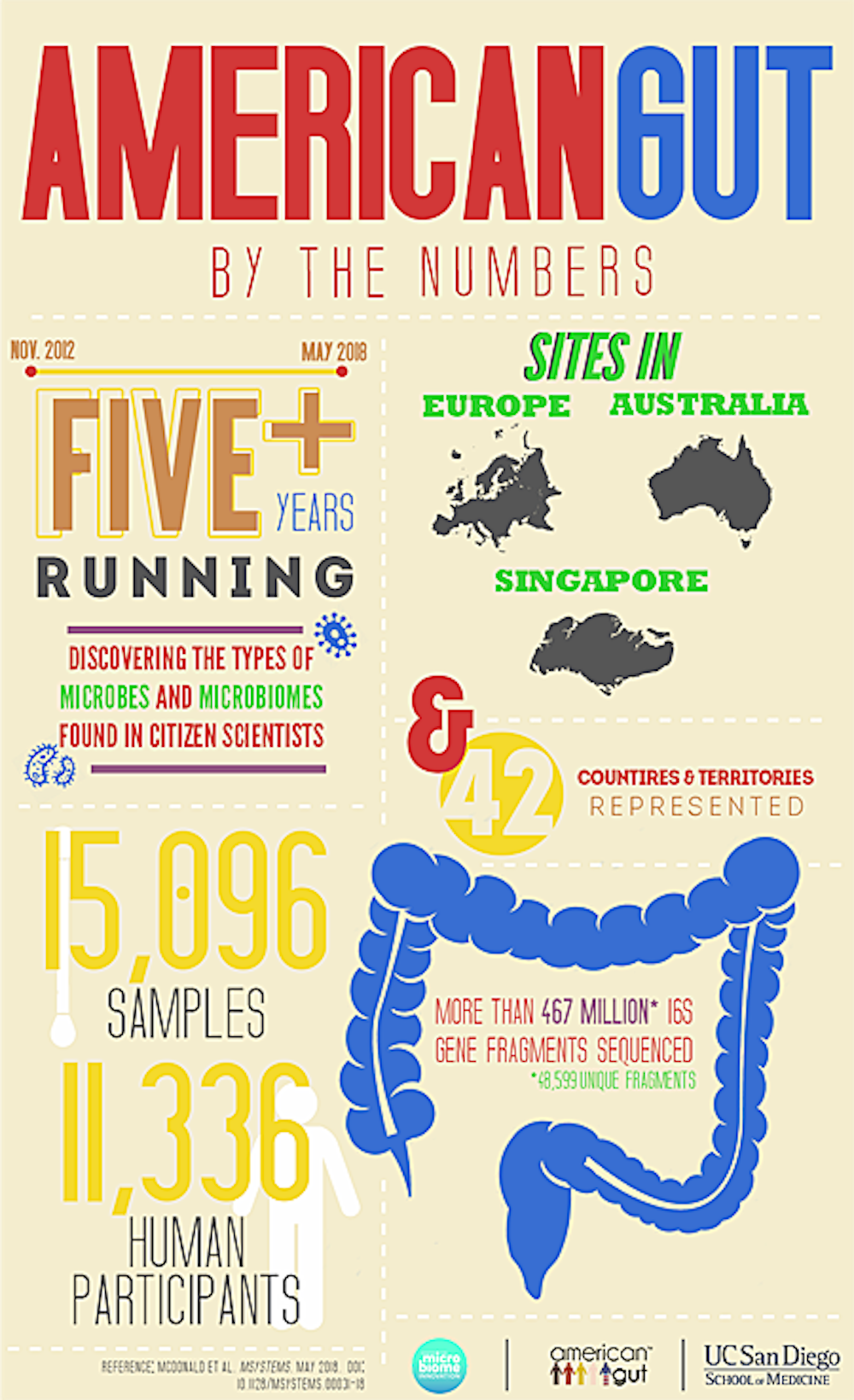
American Gut is the world’s largest crowdfunded citizen science project in existence and began in 2012. The goal is to understand how the microbes in our gut cause disease and how lifestyle factors affect this community.
Knight Lab, CC BY-SA

One of the most exciting discoveries was that the greater the variety of plants in someone’s diet, the greater diversity of microbes in their guts. Even more exciting was that not only were the microbes dramatically different between those who ate few versus many plants, but the repertoire of molecules these communities produce varied wildly. The gut bacteria of those who eat more types of plants could breakdown foods using alternate routes of metabolism and produce different types of molecules. This is a big deal because we didn’t think that consuming a variety of plants had a significant impact on the gut. But the data show otherwise.

Antibiotics and the microbes in your gut

We also took a close look at individuals who reported taking antibiotics the week before sending us their sample, and compared them to stool from individuals who hadn’t consumed antibiotics in the past year. Unsurprisingly, the microbial diversity from recent antibiotic takers was drastically reduced. But, unexpectedly, there were more types of molecules present. In this case, these molecules appear to be linked to exposure to antibiotics. We need to understand what these chemicals are and what are they doing to our bodies and to our microbes. We aren’t sure why there is a jump in the diversity of chemicals when there are fewer types of microbes present. That’s just another one of many mysteries we must now explore.

But we found something even more unexpected and disturbing. We could detect agricultural antibiotics — those fed to animals like chickens and cows — in many people who claimed they hadn’t taken antibiotics in the year prior to their sample collection!

This means that antibiotics, used to fatten up animals raised in industrial farming operations, may be ending up in our bodies where they could potentially alter or harm the microbes in our gut. That certainly would be an unintended consequence.

British versus American poop

Although most of our analyses focused on individuals within the United States, individuals in the United Kingdom could participate through a sister project called the British Gut. During our work we realized that having multiple populations to examine was incredibly powerful.

With 11,336 poop samples, this San Diego lab is discovering the community of microbes that live in the guts of Americans.
UC San Diego Health, CC BY-NC-SA

For example, using these two distinct Western populations, we were able to detect significant differences in the diversity of the samples: People in the U.K. seemed to harbor a more diverse collection of microbes.

One of our findings described in our paper explored a link we discovered between the composition of the microbiome and individuals with depression. Samples from both sides of the Atlantic proved consistent in the U.S. and U.K. populations. This shows that disease-microbiome relationships hold true across different populations, at least when you use the same consistent methods. (The American Gut Project is part of the Earth Microbiome Project, and we use the same peer-reviewed and well-tested protocols.)

Unfortunately, although we have at least one sample from each of dozens of countries, for most countries we have few or no samples for this project. So we’re actively working with collaborators all over the world right now, so we can figure out how to translate results between populations in general and address some of the most important chronic diseases facing humanity today, such as metabolic disorders. To do this, we’re starting a new effort called The Microsetta Initiative, of which the American Gut and British Gut Projects will be a part.

The ConversationSo please join us in our effort to help advance microbiome science — maybe your poop holds the key to saving lives!


Daniel McDonald, Scientific Director, American Gut Project, University of California San Diego

This article was originally published on The Conversation. Read the original article.


Want to lose weight? Train the brain, not the body

0

lose-weight-1968908_960_720

Want to lose weight? Train the brain, not the body – CWEB.com

Image 20160520 27853 swevbb.jpg?ixlib=rb 1.1
Want help to lose weight? Train your brain.
Scale image via shutterstock.com

Laurel Mellin, University of California, San Francisco

Despite massive government, medical and individual efforts to win the war on obesity, 71 percent of Americans are overweight. The average adult is 24 pounds heavier today than in 1960. Our growing girth adds some US$200 billion per year to our health care expenditure, amounting to a severe health crisis.

Drug research has not yielded a pill that helps people lose weight and keep it off. Traditional approaches such as diet and exercise can work short-term, but people almost inevitably regain the weight. Randomized controlled trials of weight loss surgery have shown some improvements in diabetes but not in mortality, cancer and cardiovascular disease.

If there is ever to be a “pill” — a solution to weight — it will be changing the brain, particularly the primitive areas of the brain, the “emotional brain” or mammalian and reptilian brain. These areas house circuits that control stress and our stress-fueled emotions, thoughts and behaviors. These circuits can be rewired in humans so by changing them, we have a chance to address the root cause of stress-related problems, including obesity. While some overweight and obesity are caused by genetic make-up, more and more research is indicating that stress plays a big role in weight gain. Many people under stress turn to food for comfort.

My colleagues and I set out to develop a neuroscience-based approach to weight management and dealing with the common excesses we all face, through emotional brain training. The idea was to use neuroscience-based tools to change the brain so that the whole range of common excesses would fade. The method has shown promising results.

The emotional brain is command central for weight and common excesses. It includes the fear, reward and starvation centers. When that brain is in stress, all three centers promote overeating and weight gain. We have strong drives to do exactly what we know we shouldn’t do. We can’t help it! Our emotional brain is in stress.

That stress ramps up the reward value of food, increases hunger for carbohydrates and decreases metabolic rate, almost ensuring weight gain. The stress-obesity link has been well-documented. Our thinking brain (neocortex) goes off line, and the extremes of our emotional brain calls the shots.

To take care of your body, take care of your brain

Levels of stress.
via www.shutterstock.com

The first step in taking control of our weight is to destress the emotional brain. In emotional brain training (EBT), we release stress by checking in several times throughout the day, identifying our level of stress and using the technique for that stress level to “spiral up” to a state of well-being.

There are five levels of stress and five tools. To get an idea of how they work, take a few breaths, check in with yourself and identify your stress level. Then use the tools for that level of stress to reduce your stress rapidly.

1. Compassion Tool (Stress Level 1 – Very Low Stress)
Say to yourself, “Feel compassion for myself,” then wait for a wave of compassion to flow through your body. Next say, “Feel compassion for others,” and feel a slight wave of warmth. Last, say, “Feel compassion for all living beings.”

2. Feelings Tool (Stress Level 2 – Low Stress)
Ask yourself, “How do I feel?” Often, three feelings bubble up, but wait long enough so that one feeling is the strongest. That’s the one! Next ask yourself, “What do I need?” and, finally, “Do I need support?”

3. Flow Tool (Stress Level 3 – A Little Stress)
Say the words: “I feel angry that …” and watch what words arrive in your mind to complete the sentence. State the sentence again, for seven more feelings: sad, afraid, guilty, grateful, happy, secure and proud. Notice the glow in your body and how your stress is gone. Why? When we feel our negative feelings, they fade. We are no longer in peril and the brain naturally focuses on positive feelings that give us the energy to move forward and do good things in our life.

4. Cycle Tool (Stress Level 4 – High Stress)
Start by stating what is bothering you (don’t hold back!), then protest that stress by saying “I feel angry that … I can’t stand it that … I hate it that … .” and each time watch what words arrive in your mind. This can unlock the circuit so that you can change at a deeper level. Pause and take a few deep breaths, then say the words: “I feel sad that … I feel afraid that … I feel guilty that …” and watch what words arrive in your mind to complete each sentence.

Next support yourself, and say, “OF COURSE I could do that (such as overeat) because my unreasonable expectation is … ” and again wait for words to bubble up from your unconscious mind, such as: “I get my safety from overeating.” That’s just an old glitch of a memory that needs updating. So, update it! Say the opposite expectation (such as “I cannot get my safety from food … I can get my safety from connecting to myself”). As you stated this when the circuit was freshly unlocked, the circuit can change into the expectation of your choosing. As the new expectation becomes dominant, the emotional drives for various excesses (including food) can begin to fade so that changing behavior becomes easier.

5. Damage Control Tool (Stress Level 5 – Very High Stress)
When we’re that stressed, we need to be held and comforted. Sometimes just rocking in your chair or breathing deeply helps. Also, you can say calming words repeatedly: “Do not judge. Minimize harm. Know it will pass. After all, it’s just stress and it will fade.”

Survival circuits activate strong emotional drives to overeat

Once you’ve started releasing stress from your emotional brain, chances are you’ll notice that you still get triggered sometimes. You might even blame yourself for that late night binge or that mindless eating. Actually, it’s just a survival circuit.

They are encoded when we are stressed and reach for food to cope. The brain remembers that food “saved us” from stress, so it encodes an expectation, such as “I get my safety from food.” That circuit can be replayed for a lifetime, fueling maladaptive eating.

Research now shows that these survival circuits can be rewired and we do that in EBT. In fact, they can only be rewired when we are stressed. Only then does the circuit unlock and make change more lasting. When stressed and craving food, the EBT user reaches for a tool rather than for the food and uses it to stop the craving and change the circuit. The drive to overeat fades.

The last step: Keeping the weight off

Keeping weight off is hard but it may be easier if we improve the brain’s emotional setpoint. Often a setpoint in stress is encoded from adverse experiences early in life and causes chronic stress overload in the emotional brain, a set up for weight regain.

The ConversationThe solution is to move up the emotional setpoint, so we get the emotional brain out of chronic stress, which is why the EBT program is aimed at raising the setpoint, so participants are more resilient to new stresses, less likely to regain the weight they have lost and, most of all, to experience more joy in their daily lives.

Laurel Mellin, Associate Clinical Professor of Family & Community Medicine and Pediatrics, University of California, San Francisco

This article was originally published on The Conversation. Read the original article.

Read Full Article and Videos  CWEB.com – Trending News, Blog, Shopping

Market for illegal sports betting in US is not really a $150 billion business

0

gambling-1

Market for illegal sports betting in US is not really a $150 billion business – CWEB.com

Jay L. Zagorsky, The Ohio State University

The Supreme Court on May 14 struck down a 25-year federal ban on sports betting outside of Nevada.

The big question on many minds — particular state officials and companies like MGM Resorts and DraftKings looking to cash in — is how much money is at stake. Many of the articles on the decision cite the same eye-popping figure: Americans wager an estimated US$150 billion in illegal sports bets every year.

As a macro economist, I am used to dealing with big numbers. Still, $150 billion struck me as much too high. To put it in perspective, that’s 14 times more than Americans spend going to the movies, twice as much as they put into grooming and feeding their pets and about the same as they pay for fruits, vegetables and dairy products.

The figure comes from the American Gaming Association, which represents the U.S. casino industry and works to reduce restrictions on gambling. It says it based this number on a 1999 government estimate of about $80 billion in illegal sports betting. The group, which describes this as “the most conservative estimate,” then adjusted it to 2017 dollars using GDP growth.

I’m not the first to find fault with these figures. A 2014 article in Slate questioned an even higher estimate, $380 billion, drawn from the same report. An examination of the underlying study showed that such estimates were not based on serious research.

While the figure has no real basis, it does have real impact. Numerous states need more tax revenue. If the potential dollars are big enough, then many states will rush to allow sports betting — as almost 20 are already doing, including New Jersey, which was behind the lawsuit that resulted in the high court ruling.

Real-world examples

As I know from my work in economics, there are better ways to make estimates than pulling numbers out of thin air.

The first thing you do in such cases is look for a real-world example. In this case, data from the U.K., which has allowed sports gambling for decades, with thousands of betting parlors offering odds on everything from Premier League matches to when royal babies are born.

The U.K.’s Gambling Commission tracks betting statistics and issues an annual report. The one released in January shows that Brits placed about 10 billion pounds in bets in the latest fiscal year.

To get a comparable estimate for the U.S., that figure needs to be adjusted by population and currency. The U.K. has only about 66 million people, compared with 327 million in the U.S. And the pound was worth $1.36 on May 14.

After making both adjustments, this suggests that if people in the U.S. are allowed to make bets at the same rate as in the U.K., the size of the industry would be about $67 billion a year. While enormous, that’s a far cry from $150 billion.

The ConversationWill legal sports gambling be big business? Yes, but not as big as its proponents want you to believe.

Jay L. Zagorsky, Economist and Research Scientist, The Ohio State University

This article was originally published on The Conversation. Read the original article.


Are North Korean media outlets signaling that the regime is getting serious about diplomacy?

0

silver-background-3 (11)

Are North Korean media outlets signaling that the regime is getting serious about diplomacy? – CWEB.com

File 20180503 153873 1qay76n.png?ixlib=rb 1.1
A North Korean newscaster reports on the Inter-Korean summit during an April 28 broadcast.
Korean Central Television

Meredith Shaw, University of Southern California — Dornsife College of Letters, Arts and Sciences

North Korea’s domestic news media remains carefully choreographed and managed by the ruling Korean Workers’ Party.

Nonetheless, in the wake of major events, a judicious reading of their content can sometimes offer insights into the reclusive state’s priorities and resolve. As a political scientist and longtime observer of North Korean media, I followed this past week’s coverage of the inter-Korean summit with great interest.

The most striking aspect was how complete and unreserved it seemed compared with coverage of the previous summits in 2000 and 2007. Unusually prompt, detailed and thorough, it showed the two leaders interacting on an equal footing — which may signal that the country is serious about cooperation.

Less scripted, more open

This most recent summit represents the third time that the two Koreas’ top leaders have met.

The previous two summits were held on the North Korean side, and the coverage seemed meticulously scripted. It was likely written well in advance.

In the years after the first inter-Korean summit in 2000, the joint declaration that emerged from that meeting — known as the June 15 Declaration — came to have almost talismanic power in North Korean media. It expressed a broad commitment to continued dialogue, economic cooperation and family reunions. Whenever the South levied sanctions or criticism in response to provocations, North Korea would counter that the South was failing to uphold the declaration.

The subsequent October 4 Declaration of the second inter-Korean summit in 2007 has been similarly brandished. That declaration added a commitment to “terminate military hostilities, ease tension and ensure peace.”

After the collapse of the so-called “Sunshine” Policy — the pro-engagement policy South Korea pursued from 1998 to 2008 — the North frequently cited both declarations as symbols of South Korean perfidy.

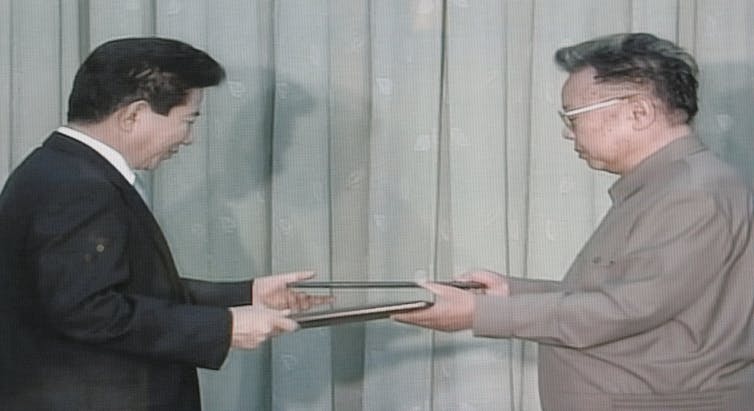
A TV broadcast shows South Korean President Roh Moo-hyun, left, exchanging joint declaration documents with North Korean leader Kim Jong Il in Pyongyang, North Korea, at the 2007 Koreas Summit.
AP Photo/Lee Jin-man

This latest summit — the first to be hosted by the South Korean side — represented the first opportunity to observe North Korean media reacting in near-real time to a ceremonial event that they had not choreographed themselves. Indeed, this is the first time we have seen North Korean cameramen scrambling and maneuvering for shots alongside their southern counterparts.

We can expect that the newest declaration — the Panmunjom Declaration for Peace, Prosperity and Unification of the Korean Peninsula — will carry similar weight in the country’s political discourse.

The main party mouthpiece, Rodong Shinmun, published the full text of the Panmunjom Declaration. There were no edits or omissions except for some minor stylistic differences (e.g. “North and South Korea” where the South Korean version read “South and North Korea”). In addition, North Korea’s most famous news anchor, the long-serving Ri Chun-hee, read out the entire text during the Saturday afternoon newscast.

The inclusion of “complete denuclearization” as a goal raised a lot of eyebrows, and several observers have interpreted it as a signal of North Korea’s commitment to serious negotiations. Previously, North Korean domestic media had only used this term in the context of declaring the matter non-negotiable.

But as other analysts have noted, denuclearization for the North Korean side implies the withdrawal of the U.S. military presence from the South.

Highlighting a common ‘Koreanness’

Aside from reporting on the political developments, the news coverage focused on the pomp and circumstance of the summit, paying close attention to South Korea’s accouterments of traditional culture.

“The leaders of North and South proceeded toward the ceremonial dais escorted by a traditional honor guard,” the Rodong Shinmun reported. At the forefront, a band “enlivened the mood with lively traditional music.” The coverage also mentioned the “shared bonds of blood” between the two sides.

The glowing praise for the South Korean cultural displays somewhat contrasts with the North’s habitual depictions of South Korea as culturally defunct and excessively Westernized. As renowned North Korea analyst Andrei Lankov has observed, “With all its wealth, South Korea is represented [in the North] as basically a very unhappy place. The reason for this unhappiness is that South Koreans’ national identity, their precious ‘Koreanness,’ has been spoilt and compromised by the domination of American imperialists who propagate their degrading and corrosive ‘culture.’”

North Korean leader Kim Jong Un, left, and South Korean President Moon Jae-in, right, cut a cake bearing the words ‘Springtime in the Nation.’
Korea Summit Press Pool

Articles also detailed the banquet dinner, which featured “various dishes with special meaning from the South” and “Okrugwan cold noodles from our side.” An evocative moment came when the two leaders sliced into a cake bearing the words “Springtime of the Nation.” Seasonal metaphors have long-standing significance in Korean culture on both sides, and North Korean media have repeatedly turned to theme of “springtime” when depicting their young leader’s ascent to power.

Altogether, it’s a heartening sign that North Korea may be willing to recognize that its southern neighbor has not completely abandoned its roots.

Looking ahead

While coverage of previous inter-Korean summits mainly featured posed photos and handshakes, this time North Koreans were exposed to colorful action photos and footage of the two leaders.

The day after the summit, Chosun Central TV aired complete footage of the event, from the moment Kim’s limousine rolled into Panmunjom, through the handshakes, procession, conference, ceremonial tree planting and banquet.

The anchor’s narration opened on a euphoric note: “At this historic moment in Panmunjom, a symbol of the long years of strife, suffering, conflict and enmity, all the bitter pain of past confrontations has wafted away on the April breeze.”

Later, over footage of the first ladies conversing, he added that “the banquet proceeded amid an atmosphere overflowing with familial affection.”

Television coverage of the summit assumed a spirited tone.

In the coming weeks and months, it will bear watching how positively President Moon will be depicted in North Korean media. As the first pro-engagement leader in 10 years, he will likely escape the vitriol that the previous two conservative presidents were subjected to. But the true test will be whether North Korea goes beyond the usual muted depiction it has used for past liberal presidents.

Although North Korean state media have never overtly praised a sitting South Korean president, previous presidents Kim Dae-jung and Roh Moo-hyun were treated with careful neutrality following their Pyongyang summits in 2000 and 2007, respectively. In subsequent years, portrayals of these two presidents have grown significantly fonder, especially since they passed away and their pro-engagement policies were dismantled by the succeeding conservative administrations. And literary fiction propagandists warmly depicted the character of Kim Dae-jung’s widow, Lee Hui-ho, in a 2013 short story titled “Him in December” as a resolute patriot struggling against the hawkish instincts of the post-Sunshine era.

North Korean media have yet to make any mention of Kim’s future summit with U.S. President Donald Trump, probably because the date and location haven’t been agreed upon. They have been similarly mum on last month’s meeting with Secretary of State Mike Pompeo. North Korean media outlets are generally cautious about announcing and discussing events that haven’t been finalized. Notably, Rodong Shinmun did refer to Trump as the “American ruler” (“chibgwŏnja”) in a March 13 article on steel tariffs — a noticeable departure from its earlier epithets.

The ConversationAll eyes will now be on the anticipated Trump-Kim summit. It remains to be seen how North Korean media will tackle the historically unprecedented sight of their leader hobnobbing with a sitting U.S. president. But the exceptionally glowing coverage of last week’s summit could be a precursor.


Meredith Shaw, Ph.D. in Political Science and International Relations, University of Southern California — Dornsife College of Letters, Arts and Sciences

This article was originally published on The Conversation. Read the original article.


Healthy soil is the real key to feeding the world

0

flora-3158434_960_720

Healthy soil is the real key to feeding the world – CWEB.com

Image 20170329 8557 1q1xe1z.jpg?ixlib=rb 1.1
Planting a diverse blend of crops and cover crops, and not tilling, helps promote soil health.
Catherine Ulitsky, USDA/Flickr, CC BY

David R. Montgomery, University of Washington

One of the biggest modern myths about agriculture is that organic farming is inherently sustainable. It can be, but it isn’t necessarily. After all, soil erosion from chemical-free tilled fields undermined the Roman Empire and other ancient societies around the world. Other agricultural myths hinder recognizing the potential to restore degraded soils to feed the world using fewer agrochemicals.

When I embarked on a six-month trip to visit farms around the world to research my forthcoming book, “Growing a Revolution: Bringing Our Soil Back to Life,” the innovative farmers I met showed me that regenerative farming practices can restore the world’s agricultural soils. In both the developed and developing worlds, these farmers rapidly rebuilt the fertility of their degraded soil, which then allowed them to maintain high yields using far less fertilizer and fewer pesticides.

Their experiences, and the results that I saw on their farms in North and South Dakota, Ohio, Pennsylvania, Ghana and Costa Rica, offer compelling evidence that the key to sustaining highly productive agriculture lies in rebuilding healthy, fertile soil. This journey also led me to question three pillars of conventional wisdom about today’s industrialized agrochemical agriculture: that it feeds the world, is a more efficient way to produce food and will be necessary to feed the future.

Myth 1: Large-scale agriculture feeds the world today

According to a recent U.N. Food and Agriculture Organization (FAO) report, family farms produce over three-quarters of the world’s food. The FAO also estimates that almost three-quarters of all farms worldwide are smaller than one hectare — about 2.5 acres, or the size of a typical city block.

A Ugandan farmer transports bananas to market. Most food consumed in the developing world is grown on small family farms.
Svetlana Edmeades/IFPRI/Flickr, CC BY-NC-ND

Only about 1 percent of Americans are farmers today. Yet most of the world’s farmers work the land to feed themselves and their families. So while conventional industrialized agriculture feeds the developed world, most of the world’s farmers work small family farms. A 2016 Environmental Working Group report found that almost 90 percent of U.S. agricultural exports went to developed countries with few hungry people.

Of course the world needs commercial agriculture, unless we all want to live on and work our own farms. But are large industrial farms really the best, let alone the only, way forward? This question leads us to a second myth.

Myth 2: Large farms are more efficient

Many high-volume industrial processes exhibit efficiencies at large scale that decrease inputs per unit of production. The more widgets you make, the more efficiently you can make each one. But agriculture is different. A 1989 National Research Council study concluded that “well-managed alternative farming systems nearly always use less synthetic chemical pesticides, fertilizers, and antibiotics per unit of production than conventional farms.”

And while mechanization can provide cost and labor efficiencies on large farms, bigger farms do not necessarily produce more food. According to a 1992 agricultural census report, small, diversified farms produce more than twice as much food per acre than large farms do.

Even the World Bank endorses small farms as the way to increase agricultural output in developing nations where food security remains a pressing issue. While large farms excel at producing a lot of a particular crop — like corn or wheat — small diversified farms produce more food and more kinds of food per hectare overall.

Myth 3: Conventional farming is necessary to feed the world

We’ve all heard proponents of conventional agriculture claim that organic farming is a recipe for global starvation because it produces lower yields. The most extensive yield comparison to date, a 2015 meta-analysis of 115 studies, found that organic production averaged almost 20 percent less than conventionally grown crops, a finding similar to those of prior studies.

But the study went a step further, comparing crop yields on conventional farms to those on organic farms where cover crops were planted and crops were rotated to build soil health. These techniques shrank the yield gap to below 10 percent.

The authors concluded that the actual gap may be much smaller, as they found “evidence of bias in the meta-dataset toward studies reporting higher conventional yields.” In other words, the basis for claims that organic agriculture can’t feed the world depend as much on specific farming methods as on the type of farm.

Cover crops planted on wheat fields in The Dalles, Oregon.
Garrett Duyck, NRCS/Flickr, CC BY-ND

Consider too that about a quarter of all food produced worldwide is never eaten. Each year the United States alone throws out 133 billion pounds of food, more than enough to feed the nearly 50 million Americans who regularly face hunger. So even taken at face value, the oft-cited yield gap between conventional and organic farming is smaller than the amount of food we routinely throw away.

Building healthy soil

Conventional farming practices that degrade soil health undermine humanity’s ability to continue feeding everyone over the long run. Regenerative practices like those used on the farms and ranches I visited show that we can readily improve soil fertility on both large farms in the U.S. and on small subsistence farms in the tropics.

I no longer see debates about the future of agriculture as simply conventional versus organic. In my view, we’ve oversimplified the complexity of the land and underutilized the ingenuity of farmers. I now see adopting farming practices that build soil health as the key to a stable and resilient agriculture. And the farmers I visited had cracked this code, adapting no-till methods, cover cropping and complex rotations to their particular soil, environmental and socioeconomic conditions.

Whether they were organic or still used some fertilizers and pesticides, the farms I visited that adopted this transformational suite of practices all reported harvests that consistently matched or exceeded those from neighboring conventional farms after a short transition period. Another message was as simple as it was clear: Farmers who restored their soil used fewer inputs to produce higher yields, which translated into higher profits.

Soil building practices, like no-till and composting, can build soil organic matter and improve soil fertility (click to zoom).
David Montgomery, Author provided

No matter how one looks at it, we can be certain that agriculture will soon face another revolution. For agriculture today runs on abundant, cheap oil for fuel and to make fertilizer — and our supply of cheap oil will not last forever. There are already enough people on the planet that we have less than a year’s supply of food for the global population on hand at any one time. This simple fact has critical implications for society.

So how do we speed the adoption of a more resilient agriculture? Creating demonstration farms would help, as would carrying out system-scale research to evaluate what works best to adapt specific practices to general principles in different settings.

We also need to reframe our agricultural policies and subsidies. It makes no sense to continue incentivizing conventional practices that degrade soil fertility. We must begin supporting and rewarding farmers who adopt regenerative practices.

The ConversationOnce we see through myths of modern agriculture, practices that build soil health become the lens through which to assess strategies for feeding us all over the long haul. Why am I so confident that regenerative farming practices can prove both productive and economical? The farmers I met showed me they already are.

David R. Montgomery, Professor of Earth and Space Sciences, University of Washington

This article was originally published on The Conversation. Read the original article.


Read Full Article and Videos  CWEB.com – Trending News, Blog, Shopping


Can Bill Nye — or any other science show — really save the world?

0

billneye1

Can Bill Nye — or any other science show — really save the world? – CWEB.com

File 20170425 13380 14ry8qb.jpg?ixlib=rb 1.1
Will Bill Nye’s new show find a wider audience than Neil deGrasse Tyson’s ‘Cosmos’ did?
Vince Bucci/Invision for the Television Academy/AP Images

Heather Akin, University of Pennsylvania; Bruce W. Hardy, Temple University; Dietram A. Scheufele, University of Wisconsin-Madison, and Dominique Brossard, University of Wisconsin-Madison

Netflix’s new talk show, “Bill Nye Saves the World,” debuted the night before people around the world joined together to demonstrate and March for Science. Many have lauded the timing and relevance of the show, featuring the famous “Science Guy” as its host, because it aims to myth-bust and debunk anti-scientific claims in an alternative-fact era.

But are more facts really the kryptonite that will rein in what some suggest is a rapidly spreading “anti-science” sentiment in the U.S.?

“With the right science and good writing,” Nye hopes, “we’ll do our best to enlighten and entertain our audience. And, perhaps we’ll change the world a little.” In an ideal world, a show like this might attract a broad and diverse audience with varying levels of science interest and background. By entertaining a wide range of viewers, the thinking goes, the show could effectively dismantle enduring beliefs that are at odds with scientific evidence. Significant parts of the public still aren’t on board with the scientific consensus on climate change and the safety of vaccines and genetically modified foods, for instance.

But what deserves to be successful isn’t always what ends up winning hearts and minds in the real world. In fact, empirical data we collected suggest that the viewership of such shows — even heavily publicized and celebrity-endorsed ones — is small and made up of people who are already highly educated, knowledgeable about science and receptive to scientific evidence.

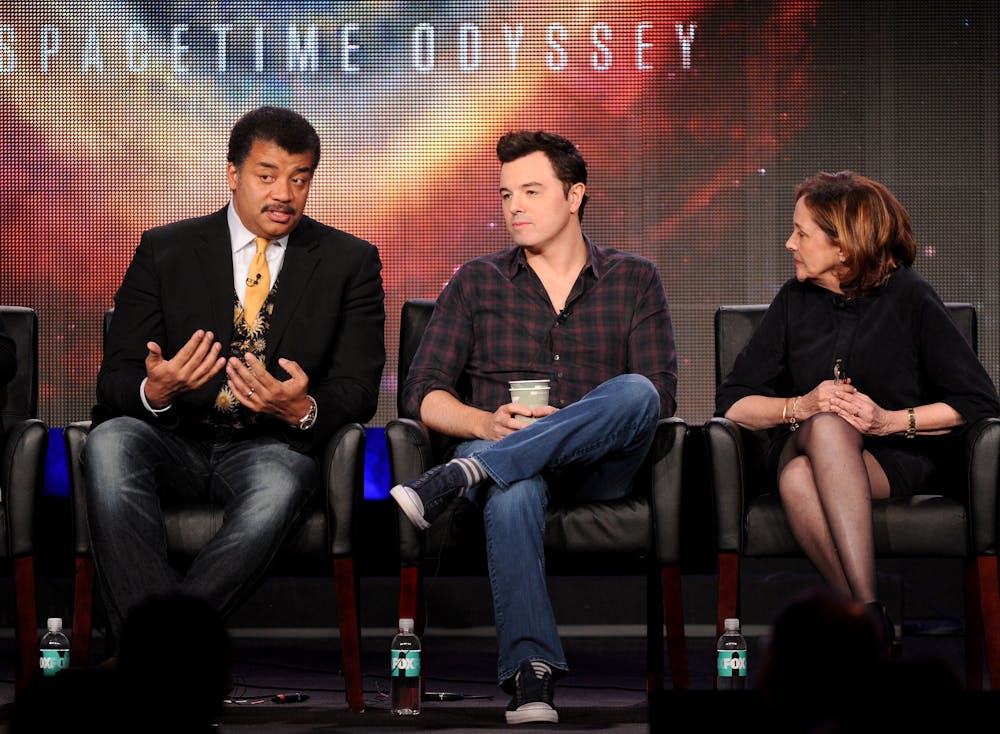
‘Cosmos’‘ pedigree and publicity seemed like they would translate to success….
Frank Micelotta/Invision for FOX/AP Images

‘Cosmos’ illustrates the issue

The 2014 reboot of Carl Sagan’s popular 1980 series “Cosmos,” starring astrophysicist Neil deGrasse Tyson, is just one recent example. Tyson’s show, “Cosmos: A Spacetime Odyssey,” aired prime time on Fox and the National Geographic channel, received several Emmy nominations and was considered a critical success in which “Tyson managed to educate and excite viewers of all ages across the globe.”

However, Tyson’s efforts to reach a broad audience and preach beyond the proverbial choir fell short. Nielsen ratings indicate the new version of “Cosmos” reached 1.3 percent of television households, which doesn’t compare well even to other science shows and educational programming. PBS’ “NOVA,” for instance, typically reaches about 3 percent of households (around four million viewers a week), and PBS’ other prime time programming usually gets higher Nielsen ratings than “Cosmos” had. “Cosmos” lagged even further behind science entertainment shows like “NCIS,” which reached 11.2 percent of households, and “The Big Bang Theory,” which reached 10.8 percent of households during the same week “Cosmos” aired its first episode.

In 2014, we conducted a representative national survey in a collaboration among the University of Wisconsin, the University of Pennsylvania’s Annenberg Public Policy Center and Temple University. We found that 76.1 percent of Americans did not watch any episodes of “Cosmos,” 7.1 percent said they watched one episode, and only 2.4 percent said they watched all 13 episodes.

And there were really no surprises about who tuned in. Respondents who saw at least one episode were 40 percent more likely to be male, 35 percent more likely to claim interest in science, and significantly more knowledgeable about science than those who didn’t watch. Less affluent audiences were less likely to watch at least one episode, as were those who were highly religious. Even those who expressed above-average interest in science watched only 1.5 “Cosmos” episodes on average.

What science programming will capture the imaginations of those who aren’t already into science?
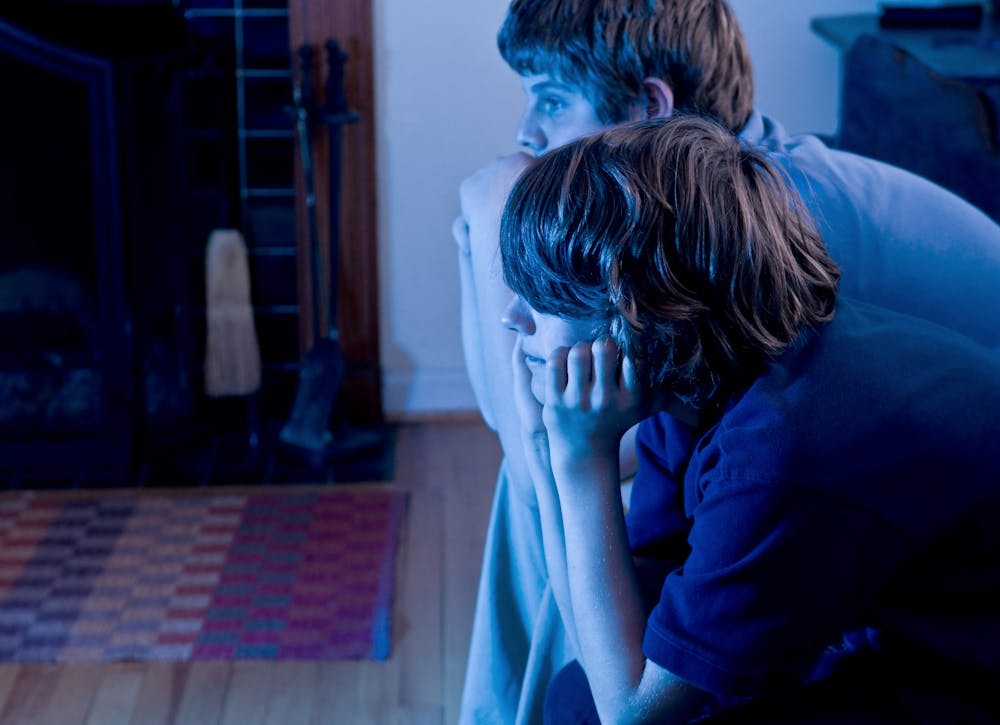
Watching image via www.shutterstock.com.

Success is out there?

Engaging scientific programming could still be an antidote to waning public interest in science, especially where formal science education is falling short. But it is revealing that “Cosmos” — a heavily marketed, big-budget show backed by Fox Networks and “Family Guy” creator Seth McFarlane — did not reach the audience who need quality science information the most. “Bill Nye Saves the World” might not either. Its streaming numbers are not yet available.

Today’s fragmented and partisan media environment fosters selective exposure and motivated reasoning — that is, viewers typically tune in to programming that confirms their existing worldview. There are few opportunities or incentives for audiences to engage with scientific evidence in the media. All of this can propagate misleading claims and deter audiences from accepting the conclusions of sound science. And adoption of misinformation and alternative facts is not a partisan problem. Policy debates questioning or ignoring scientific consensus on vaccines, climate change and GMOs have cut across different political camps.

None of this is meant to downplay the huge potential of entertainment media to reach diverse audiences beyond the proverbial choir. We know from decades of research that our mental images of science and its impact on society are shaped heavily by (sometimes stereotypical) portrayals of science and scientists in shows like “The Big Bang Theory” or “Orphan Black.”

But successful scientific entertainment programming needs to accomplish two goals: First, draw in a diverse audience well beyond those already interested in science; second, present scientific issues in a way that unites audiences around shared values rather than further polarizing by presenting science in ways that seems at odds with specific political or religious worldviews.

While “Cosmos” failed to attract a diverse audience eager to be introduced to the wonders of the universe (and science), there’s still value in the science community and entertainment industry collaboratively developing these kinds of television programs. In order to be successful, however, these collaborations must draw on insights from social science research to maximize the reach of novel diverse formats, communication strategies and media outlets. The National Academies of Sciences, Engineering and Medicine’s Science and Entertainment Exchange, for instance, tries to connect the entertainment industry and the nation’s best scientists in order to combine the reach of entertainment media’s engaging storytelling with the most accurate portrayal of science.

And social science research suggests that complex information can reach audiences via the most unlikely of places, including the satirical fake news program “The Colbert Report.” In fact, a University of Pennsylvania study showed that a series of “Colbert Report” episodes about Super PACs and 501(c)(4) groups during the 2012 presidential election did a better job educating viewers than did mainstream programming in traditional news formats.

Social science can help us learn from our mistakes and better understand how to connect with hard-to-reach audiences via new formats and outlets. None of these shows by themselves will save the world. But if done right, they each might get us closer, one empirical step at a time.


The ConversationAfter publication, “Cosmos: A Spacetime Odyssey” host Neil deGrasse Tyson responded to this article in a comment.

Heather Akin, Post-Doctoral Research Fellow at the Annenberg Public Policy Center, University of Pennsylvania; Bruce W. Hardy, Assistant Professor of Strategic Communication, Temple University; Dietram A. Scheufele, Professor of Life Sciences Communication, University of Wisconsin-Madison, and Dominique Brossard, Professor and Chair in the Department of Life Sciences Communication, University of Wisconsin-Madison

This article was originally published on The Conversation. Read the original article.


Read Full Article and Videos  CWEB.com – Trending News, Blog, Shopping