

The Department of Labor has formally proposed a rule that allows 401(k) plans to incorporate alternative assets like cryptocurrency and real estate.
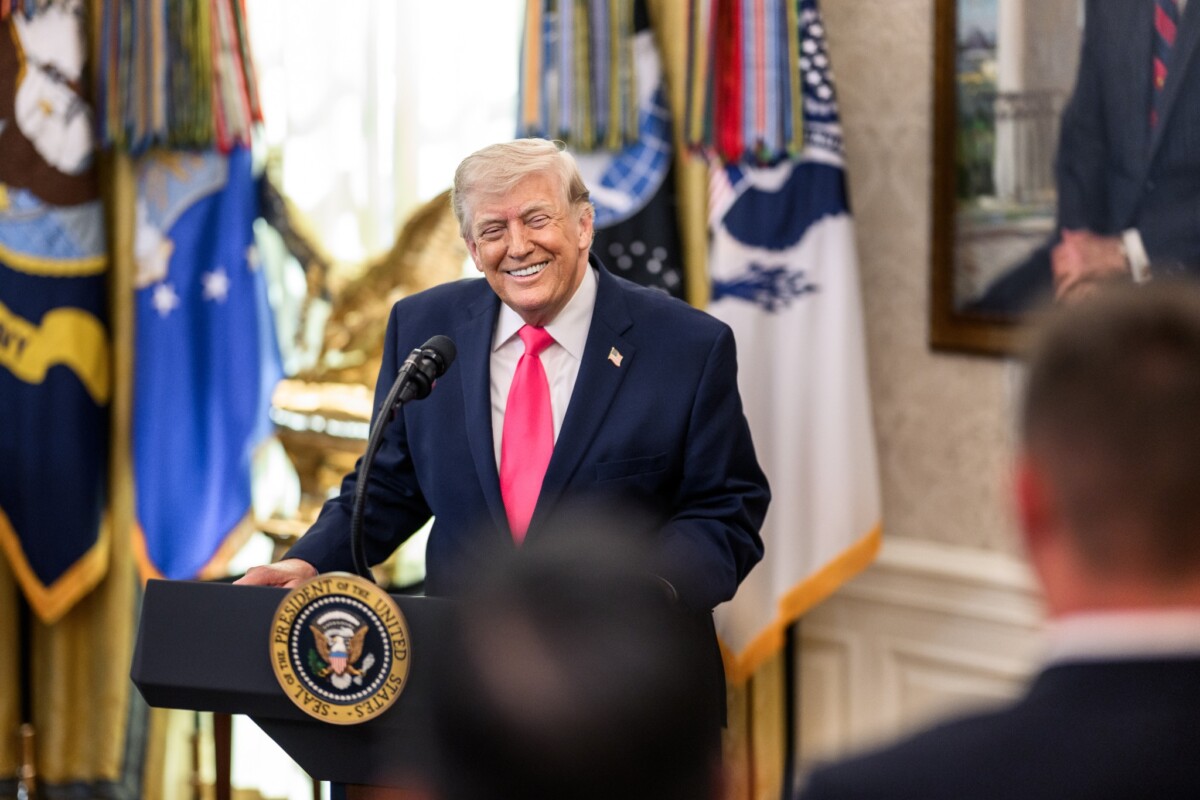
This regulatory shift directly executes a previous executive order from President Trump aimed at expanding retail investment access.
The proposal establishes a new fiduciary framework prioritizing analytical rigor over blanket prohibitions when selecting non-traditional investments.
A fundamental shift is underway for American retirement savers, as the Department of Labor unveiled a proposed rule on Monday that formally opens the door for 401(k) plans to include alternative assets. This move effectively dismantles longstanding informal barriers, giving plan sponsors the green light to incorporate volatile but potentially high-yield options such as cryptocurrency, real estate, and private market instruments into their core investment lineups. The action signals a decisive pivot toward modernizing retirement portfolios to match the evolving landscape of modern asset classes.
The regulatory push arrives as a direct implementation of an executive order issued by President Donald Trump in August, which explicitly tasked the Labor Department and the Securities and Exchange Commission with dismantling administrative hurdles that previously kept alternative investments out of mainstream retirement plans. By codifying this directive, the department is shifting the compliance paradigm away from a cautious default that discouraged these assets toward a structure that treats them as permissible components of a diversified portfolio.

Central to the proposal is a reinforcement of the fiduciary principles established under the Employee Retirement Income Security Act (ERISA). Rather than imposing categorical restrictions, the proposed rule emphasizes that prudence is defined by a rigorous decision-making process. Plan fiduciaries are granted maximum discretion to select alternative investments, provided they conduct thorough, objective, and analytically sound evaluations. Key factors for consideration now explicitly include performance histories, fee structures, liquidity constraints, valuation methodologies, benchmarking standards, and overall asset complexity, ensuring that inclusion is driven by due diligence rather than speculation.
“Our goal is to deliver on President Trump’s promise for a new golden age by fostering a retirement system that allows more Americans to retire with dignity,” said U.S. Secretary of Labor Lori Chavez-DeRemer. “This proposed rule will show how plans can consider products that better reflect the investment landscape as it exists today. This greater diversity will drive innovation and result in a major win for American workers, retirees, and their families.”
“The Treasury Department is proud of this rulemaking effort, which is another step in ushering in President Trump’s Golden Age,” said U.S. Secretary of the Treasury Scott Bessent. “This proposed rule is an initial step in implementing the President’s Executive Order in a safe and smart manner, broadening access to additional retirement plan options for millions of Americans while being mindful of the importance of protecting retirement assets. Treasury is grateful for the Department of Labor’s partnership and looks forward to continued engagement as the rulemaking process continues.”
“Americans’ ability to participate more fully in innovation and economic growth through well-diversified long-term investments is a vitally important priority for effective retirement planning. The Securities and Exchange Commission is pleased to have joined our colleagues at the Department of Labor to help formulate this proposal for these long-overdue improvements. We look forward to continuing our work to expand opportunities for Americans to build wealth and save for the future,” said SEC Chairman Paul S. Atkins.
