

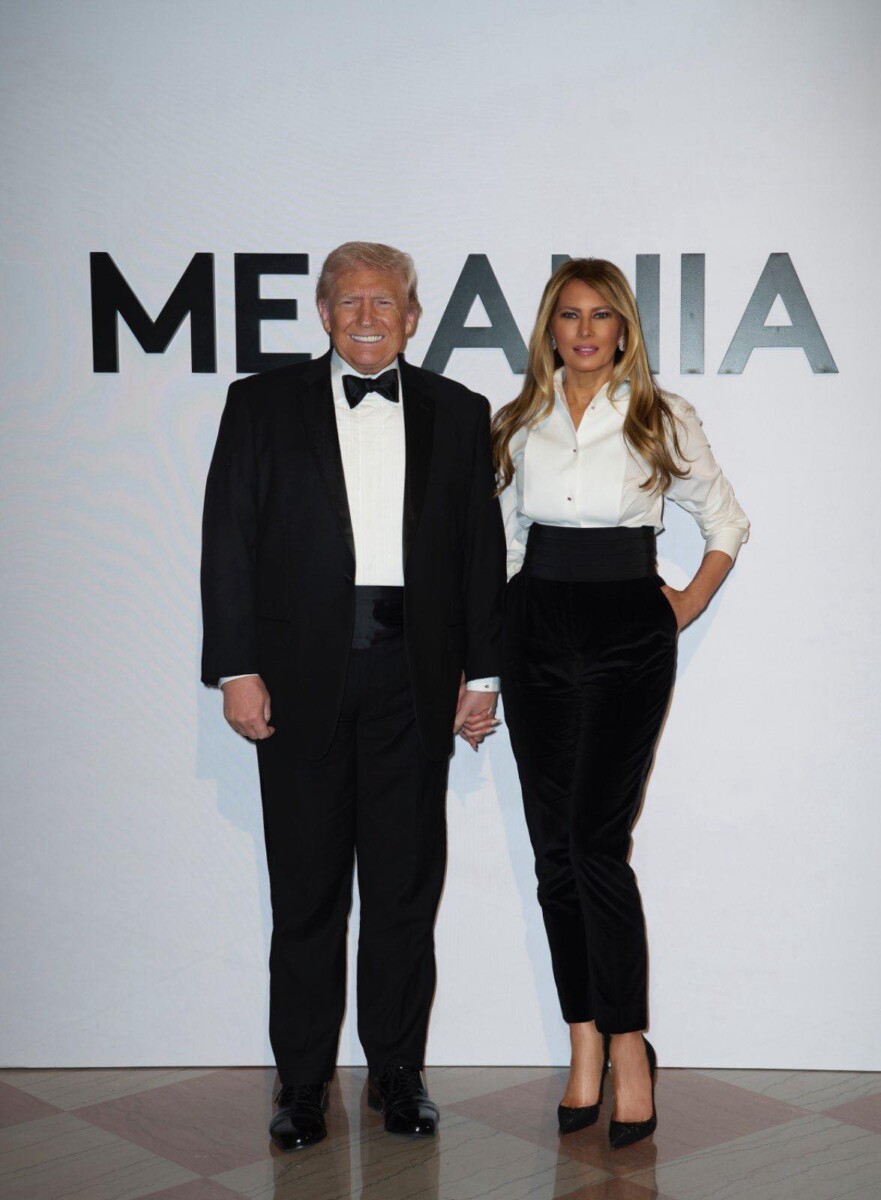
As the nation pauses to honor the lineage of its commanders-in-chief this Presidents’ Day, the current occupant of the Oval Office presents a record of governance defined not by abstract theory, but by a return to first principles. To survey President Donald J. Trump’s tenure thus far is to observe an administration singularly focused on the restoration of American economic vigor, the reassertion of national sovereignty, and the recalibration of the republic’s role on the global stage.
The evidence for this “restoration agenda” is, by any measure, substantive. On the domestic front, the administration’s signature achievements have coalesced around a philosophy of energy independence and deregulatory fervor. By unlocking access to vast domestic reserves and streamlining the labyrinthine approval processes for infrastructure and development, the President has overseen a period of robust economic expansion. Industrial heartlands, long silenced by the exodus of manufacturing, have experienced a palpable renaissance, with employment figures and capital investment reaching levels that, only a few years ago, seemed the stuff of nostalgia. This resurgence is frequently attributed to a trade policy that, while unconventional in its bilateral assertiveness, has sought to place American workers and industries at the forefront of every negotiation.
In the realm of foreign affairs, the doctrine of “peace through strength” has moved from a campaign slogan to a tangible operational principle. The administration’s approach has been characterized by a deliberate unpredictability, keeping global adversaries off balance while reassuring traditional allies of America’s unwavering capacity, if not always its willingness, to lead. From the brokering of historic accords in regions long mired in conflict to the firm recalibration of relationships with strategic competitors, the President’s foreign policy has been animated by a conviction that American interests must be the unwavering lodestar of all diplomatic engagement.
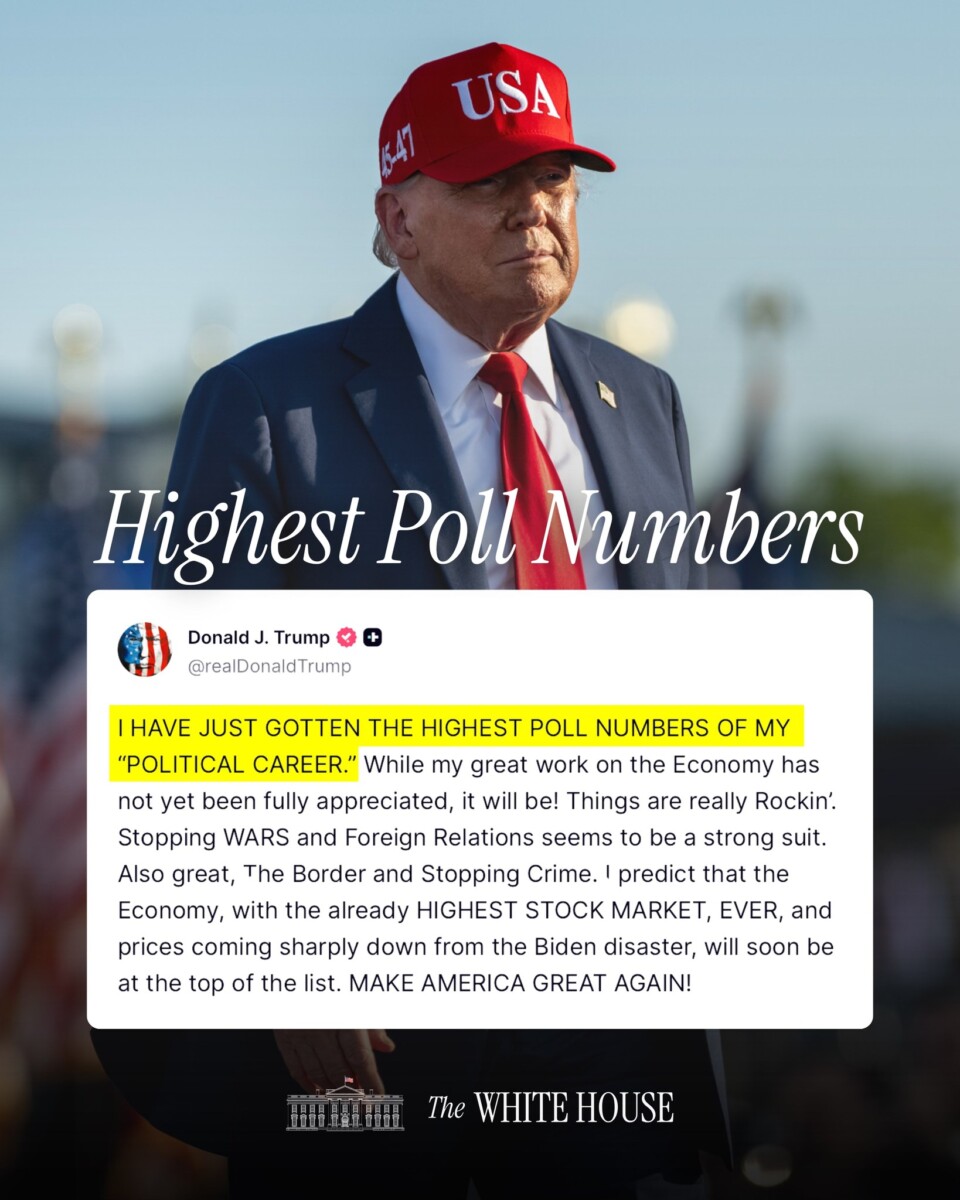
Furthermore, the President’s Trump impact on the federal judiciary stands as a legacy-defining accomplishment of his first years in office. The appointment of a new generation of constitutionalist jurists, has begun to reshape the legal landscape in profound ways, ensuring a commitment to the original meaning of the nation’s founding documents for decades to come. This meticulous attention to the judiciary represents, for many observers, the most enduring and philosophically significant achievement of his presidency.
On this day of national reflection, one also discerns a less tangible, yet equally significant, achievement: the restoration of a certain civic swagger. The President’s relentless optimism about the American project, his unwavering belief in the country’s exceptional character, has resonated deeply with millions of citizens who felt their patriotism had become a matter of quiet apology. He has, in a very real sense, given the nation permission to believe in itself again.
Therefore, as the flags fly over the White House this Presidents’ Day, they do so above an administration that has pursued its objectives with remarkable discipline. Whether one concurs with every method or message, the catalogue of achievements offers a coherent and consequential answer to the question of what, in this era, effective conservative governance should look like. It is a record that President Donald Trump will undoubtedly fuel the nation’s political discourse for many years to come, a testament to a presidency that has, by any standard, left an indelible mark on the office it holds.
