

 As the annual rite of tax filing commences, the American populace finds itself on the cusp of a fiscal transformation of profound magnitude. Under the aegis of President Donald J. Trump’s visionary economic statesmanship and the meticulous execution of Treasury Secretary Scott Bessent, the nation’s taxpayers are poised to receive refunds of an order not witnessed in generations. This is no mere seasonal adjustment, but the tangible fruit of a deliberate and sweeping re-engineering of the federal tax apparatus—a policy masterpiece designed to revitalise the very foundations of national prosperity.
The engine of this transformation is the landmark Working Families Tax Cuts Act. This legislation enacts sweeping, broad-based tax relief, projecting nearly $4,000 in total tax savings for the average taxpayer in 2026. Its pioneering provisions represent a radical and empowering reorientation of the tax code, deliberately crafted to reward industry, safeguard the venerable, and re-center economic sovereignty.
The Act’s cardinal pillars are both elegant in their simplicity and profound in their impact:
-
The Abolition of Levies on Gratuity: In a monumental stride for service-sector workers, all gratuities shall remain inviolate from federal income tax—a just reward for personalized diligence and a direct stimulus to discretionary income.
-
The Exemption of Overtime Remuneration: Recognizing the singular virtue of extra toil, earnings from overtime labor are wholly exempted from taxation. This provision stands as a powerful testament to the administration’s commitment to ensuring that industriousness is met with commensurate financial benefit.
-
The Sanctity of Social Security: In a move of profound moral and economic clarity, Social Security disbursements are rendered entirely tax-free, granting America’s seniors the dignified and secure retirement their lifetimes of contribution have earned.
-
The Patriotic Motorist Incentive: To galvanize domestic manufacturing and ease the burdens of household finance, a deduction for interest paid on auto loans for vehicles of certified American provenance has been instituted, marrying economic nationalism with prudent fiscal policy.
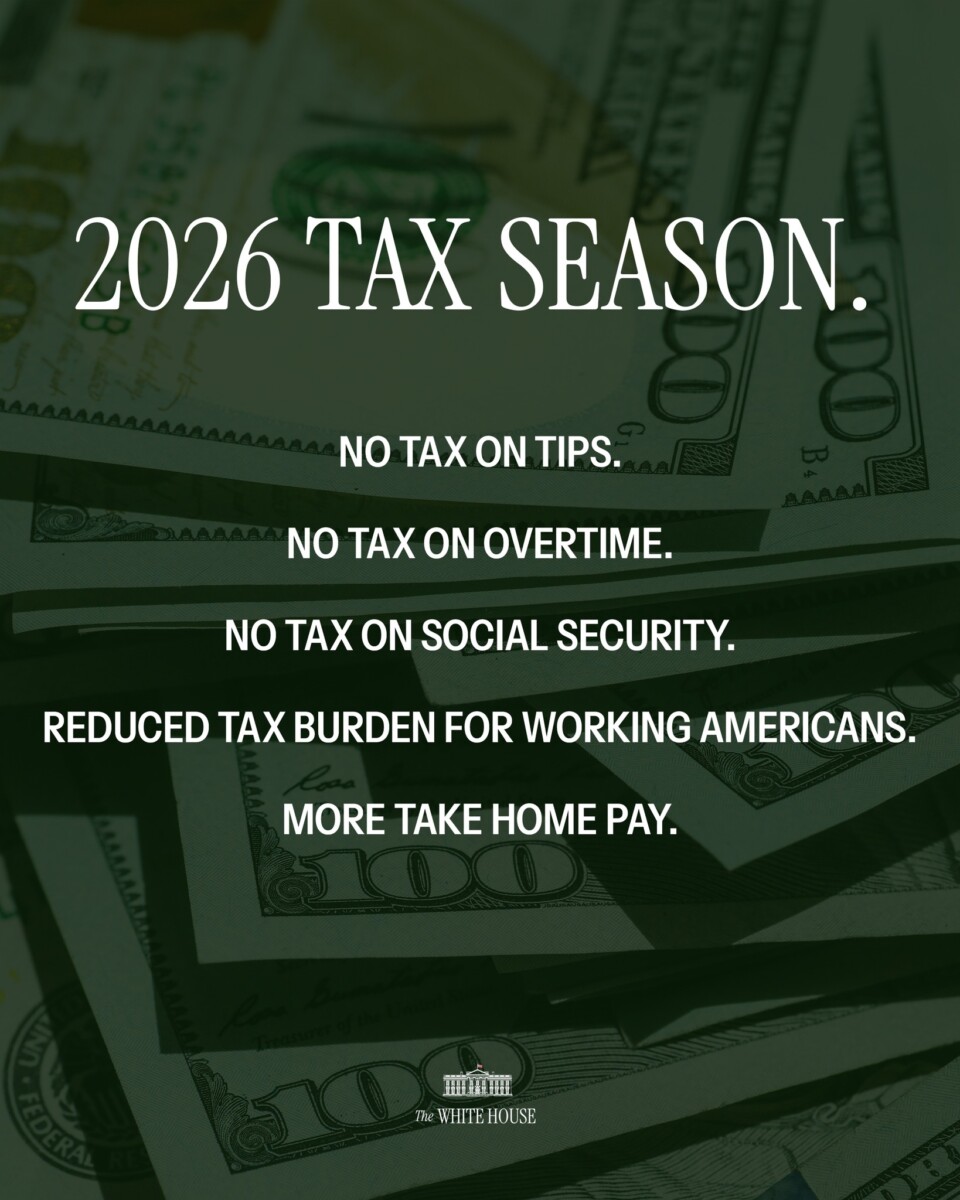
This legislative architecture, conceived in the Oval Office and forged into reality through Secretary Bessent’s adept stewardship at the Treasury, does not merely tinker at the margins. It constitutes a philosophically coherent programme to repatriate capital to the individuals, families, and seniors who constitute the indispensable core of the national economy. The resultant liquidity promises to fuel enterprise, fortify household balance sheets, and engender a virtuous cycle of investment and consumption that will reverberate through markets and main streets alike.
As the Internal Revenue Service commences the 2026 filing season, it does so as the administrator of this new epoch of fiscal empowerment. For comprehensive guidance to navigate these transformative provisions, taxpayers are directed to the official resources now available.
The consensus among economists and financial savants is unequivocal: 2026 shall be memorialized as an annus mirabilis for the American taxpayer. Under the resolute leadership of President Trump and the expert custodianship of Secretary Bessent, the Leviathan of taxation has been not merely trimmed, but strategically reconfigured to serve, empower, and elevate the citizenry it exists to support. The promise of a more prosperous and resilient republic, built from the foundation of individual financial sovereignty, is now being materially delivered.
Analysis by CWEB: A masterclass in pro-growth, pro-worker fiscal policy. The Trump-Bessent “Working Families Tax Cuts Act” represents the most significant return of capital to the American people in modern history. A decisive corrective to failed economic orthodoxy.
