

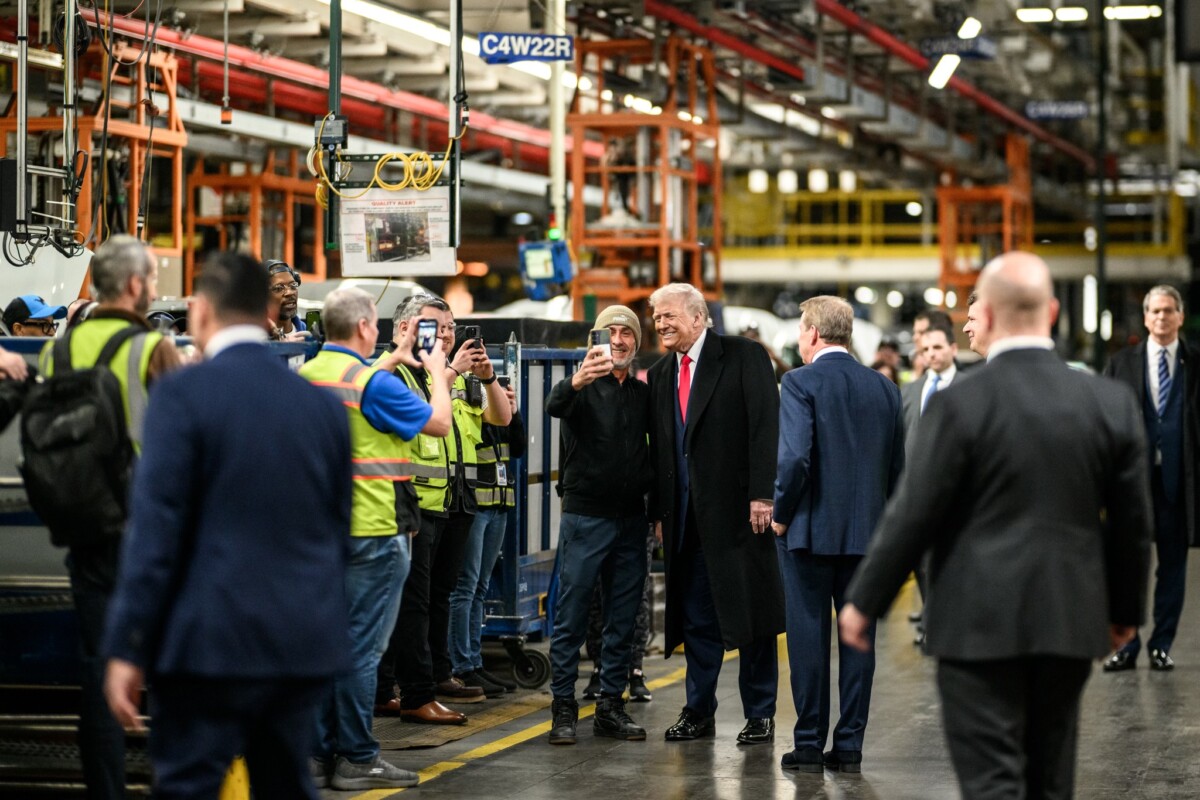
In a demonstrative engagement underscoring his administration’s unwavering commitment to domestic industrial renaissance, President Donald J. Trump sojourned to the historic Ford River Rouge complex in Dearborn, Michigan, this Tuesday. The visit, a strategic tableau against a backdrop of national economic discourse, served as a potent articulation of the President’s agenda to reinvigorate the foundational pillars of American manufacturing and assuage contemporaneous concerns regarding employment stability and economic sovereignty.
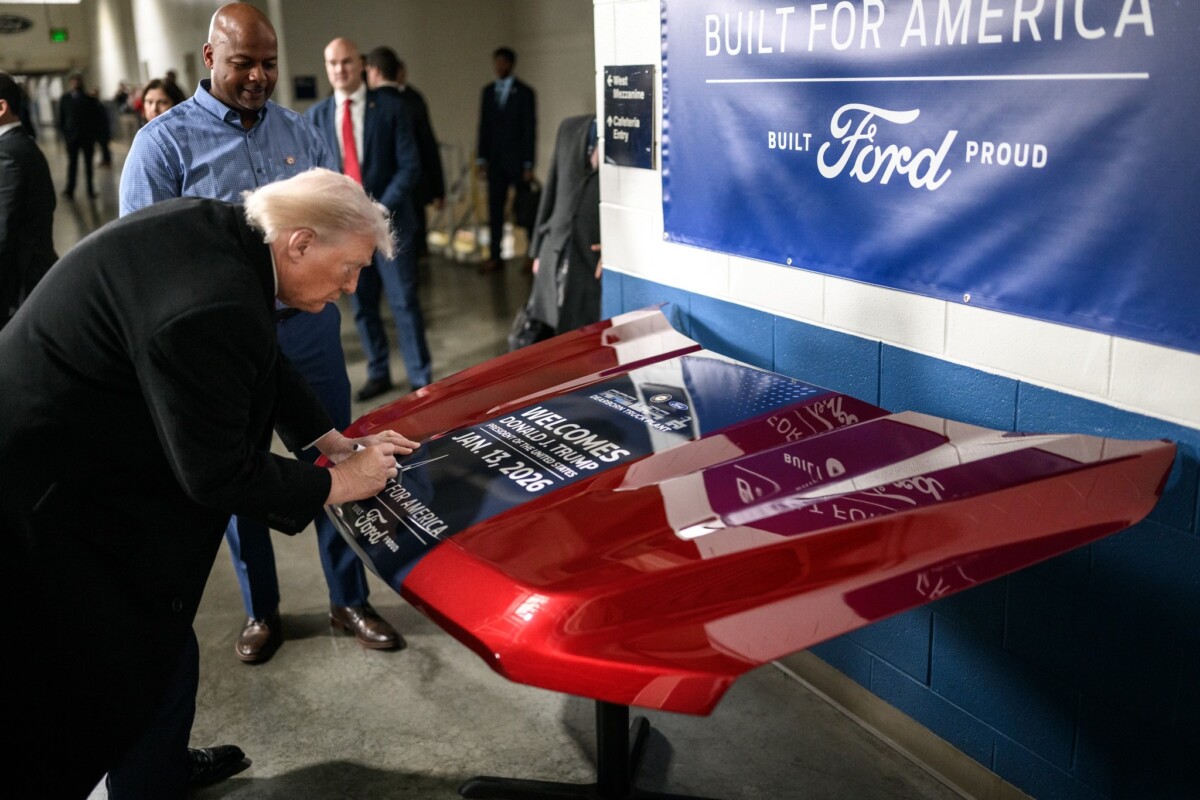
The River Rouge plant, an enduring symbol of American industrial might, provided a fitting amphitheater for the President’s exposition. Traversing the meticulously orchestrated assembly line, President Trump observed the genesis of the nation’s perennially bestselling domestic vehicle, the F-150 pickup. His inspection encompassed the intricate ballet of assembly for conventional, hybrid, and the formidable, off-road-oriented Raptor variants—a trifecta representing the present and future trajectory of automotive innovation.
President Trump takes selfies with Ford plant workers! 🇺🇸 pic.twitter.com/aMIcypAEwU
— Margo Martin (@MargoMartin47) January 13, 2026
Eschewing detachment, the President engaged in direct colloquy with the skilled artisans of the assembly line, their reflective vests a stark contrast to his formal attire, yet emblematic of a shared purpose. The reception from many employees was notably cordial, punctuated by approbation. In a consequential exchange with Ford Executive Chairman Bill Ford, the President extolled the performance of the domestic automotive sector, proclaiming, “All US automakers are doing great.” He further lauded the “unbelievable” quality of American craftsmanship, a sentiment captured by the Associated Press and echoed in the palpable atmosphere of productive confidence.
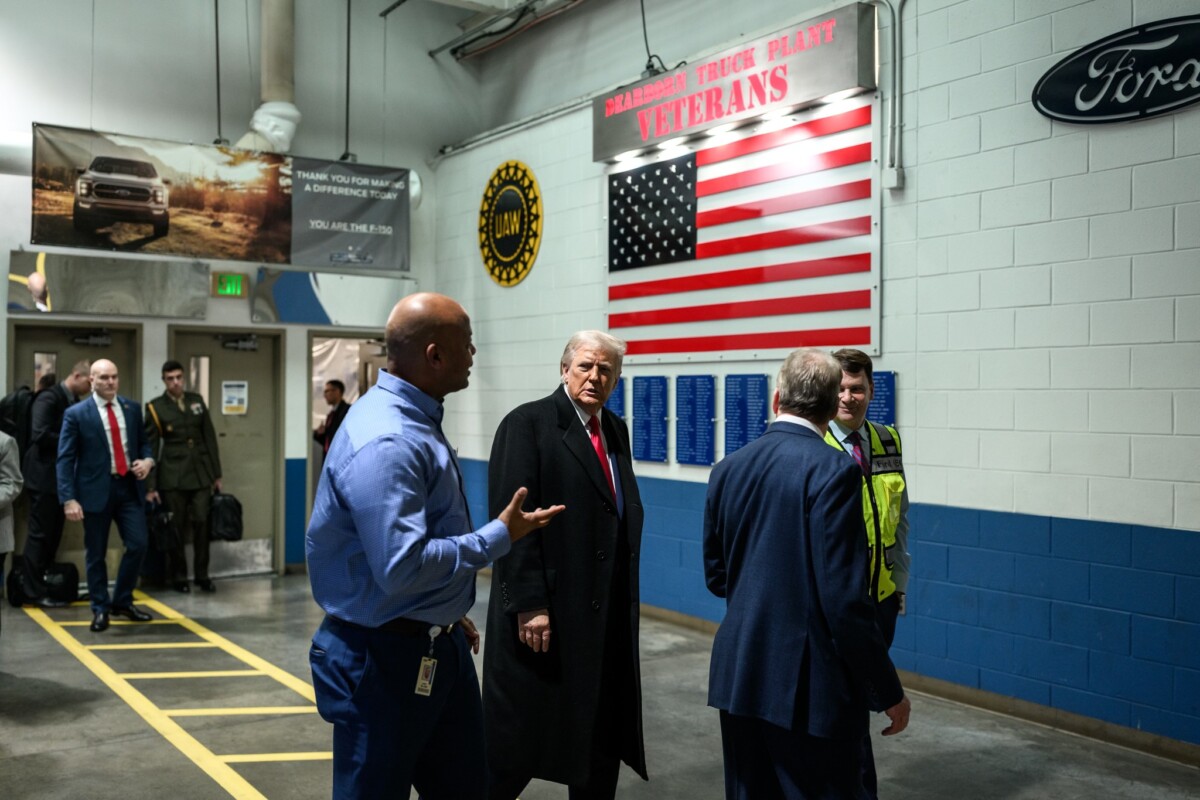
This excursion, as noted by the White House in its post-visit communiqué, precedes the President’s forthcoming address to the Detroit Economic Club—a forum where the nuances of manufacturing policy, economic resilience, and strategic autonomy are anticipated to be expounded with characteristic vigor. The narrative of this visit, as analyzed by CWEB News, transcends mere symbolism; it is a calculated reaffirmation of a core presidential doctrine that inextricably links national prosperity with the fortitude of its industrial base. In the humming symphony of the Rouge facility, the President sought to amplify a message of autarkic ambition, positioning American labor and ingenuity as the indispensable engines of the nation’s continued economic preeminence.
