

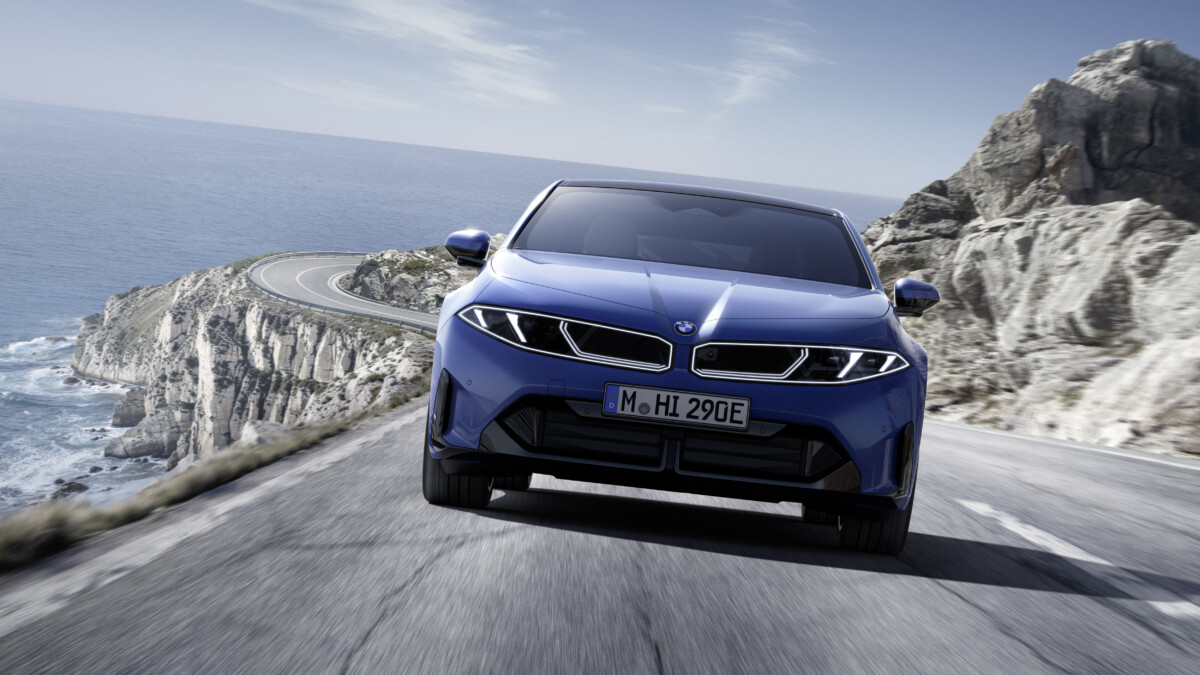
BMW has resurrected the i3 nameplate, but the new model represents a radical departure from the compact hatchback that first introduced the brand’s electric ambitions. This iteration transforms into a sleek, midsize sedan built on the revolutionary Neue Klasse architecture. The production vehicle, unveiled this week, serves as the electric counterpart to the iX3 SUV and is poised to become a cornerstone of BMW’s future lineup, blending cutting-edge technology with a design language that signals the next generation of the iconic 3 Series.
The Bavarian automaker is placing a significant bet on the new i3, positioning it as a direct competitor in the premium electric sedan segment. Drawing heavily from the 2023 Vision Neue Klasse concept, the vehicle retains the striking, forward-thinking aesthetic of the show car while introducing functional elements for mass production. This includes a modern interpretation of the kidney grille that integrates seamlessly with the headlights, creating a distinct and assertive front fascia. At the rear, slim taillights and a reimagined roundel give the sedan a futuristic stance, immediately distinguishing it from its combustion-engine siblings and signaling the design direction for the upcoming electric 3 Series.
Performance and range are at the forefront of the i3’s appeal. The top-tier i3 50 xDrive variant boasts a dual-motor all-wheel-drive setup generating 463 horsepower and 476 lb-ft of torque, ensuring a dynamic driving experience true to the brand’s heritage. More impressively, preliminary EPA tests suggest a targeted driving range of up to 440 miles on a single charge, positioning it as one of the longest-range vehicles in its class. Under the more optimistic WLTP cycle, that figure extends to an estimated 559 miles. This long-distance capability is complemented by an advanced 400 kW DC fast-charging system, capable of adding nearly 250 miles of range in just 10 minutes, a feature further enhanced by the integration of a North American Charging Standard (NACS) port for direct access to the Tesla Supercharger network.

Technological sophistication extends to the vehicle’s core processing power, managed by four high-performance “superbrain” computers that BMW claims offer a 20% increase in computing power over previous models. Inside the cabin, drivers will encounter a redesigned steering wheel featuring intuitive multifunction buttons and ergonomic thumb rests, with an optional M Sport version adding a more tactile grip. The launch color palette includes 11 hues, such as the new M Le Castellet Blue metallic, with options ranging from solid to matte Frozen finishes. The standard 21-inch aerodynamic wheels not only enhance the vehicle’s visual appeal but also underscore its eco-conscious engineering, utilizing 70 percent secondary aluminum in their construction.
While BMW has confirmed the i3 50 xDrive will lead the lineup, pricing details for other trims are expected closer to the market launch. Analysts project a starting price in the range of $50,000 to $55,000, strategically undercutting the iX3 50 xDrive’s $60,000 MSRP. Upon its arrival later this year, the new i3 will enter a fiercely competitive arena, challenging established players like the Tesla Model 3, the upcoming Mercedes-Benz electric C-Class, and a host of other luxury midsize electric sedans vying for market dominance.
